Essential Tips for Buying a Generator in 2025
Before You Buy a Generator Here's What You Need to Know
Buying a generator can be a significant investment, and with so many options available in 2025, it is crucial to make an informed decision. Whether you need it for home backup during power outages, for recreational use, or for work sites, understanding your requirements will help guide your purchase.
Assessing Your Power Needs
Before you buy a generator, you should first assess the power needs of your appliances and devices. Take a look around your home or work site and identify essential items you would like to power. Typically, the most critical devices include refrigerators, lights, heating or cooling systems, and medical equipment. Each of these items will require a certain amount of wattage to operate. Here’s how to do a quick calculation:
- List the Appliances: Write down all the devices you want to run concurrently.
- Find Their Wattage: This information is usually available on the back of the device or in the user manual.
- Calculate Total Wattage: Sum up the wattages of the appliances to get a rough estimate of your power needs.
For example, if you plan to run a refrigerator (600 watts), a few lights (200 watts), and a heater (1500 watts), the total wattage requirement would be 2300 watts. Always consider purchasing a generator with higher output than your calculated needs to handle any unexpected surges in power usage.
Buy Now Pay Later Options
In 2025, many retailers are offering buy now pay later plans, which can significantly ease the financial burden of purchasing a generator. This option allows you to acquire a generator without needing to pay the full price upfront, making it more affordable for many households and businesses.
Many companies provide flexible payment plans that let you pay in installments over a period, often without any interest or fees, provided you make payments on time. This can be particularly useful if you’re concerned about cash flow but need a generator promptly. As you explore different retail options, make sure to look for those that offer such financing solutions, as they can greatly enhance your purchasing power while keeping your finances steady.
Understanding the Types of Generators
Generators come in various types, each suited for different needs. Here are a few of the main types available in the market today:
- Portable Generators: These are versatile and can be easily moved. They are ideal for outdoor activities or as temporary power sources during outages.
- Inverter Generators: Known for their efficiency, inverter generators produce clean power and are quieter than conventional models, making them perfect for camping or residential use.
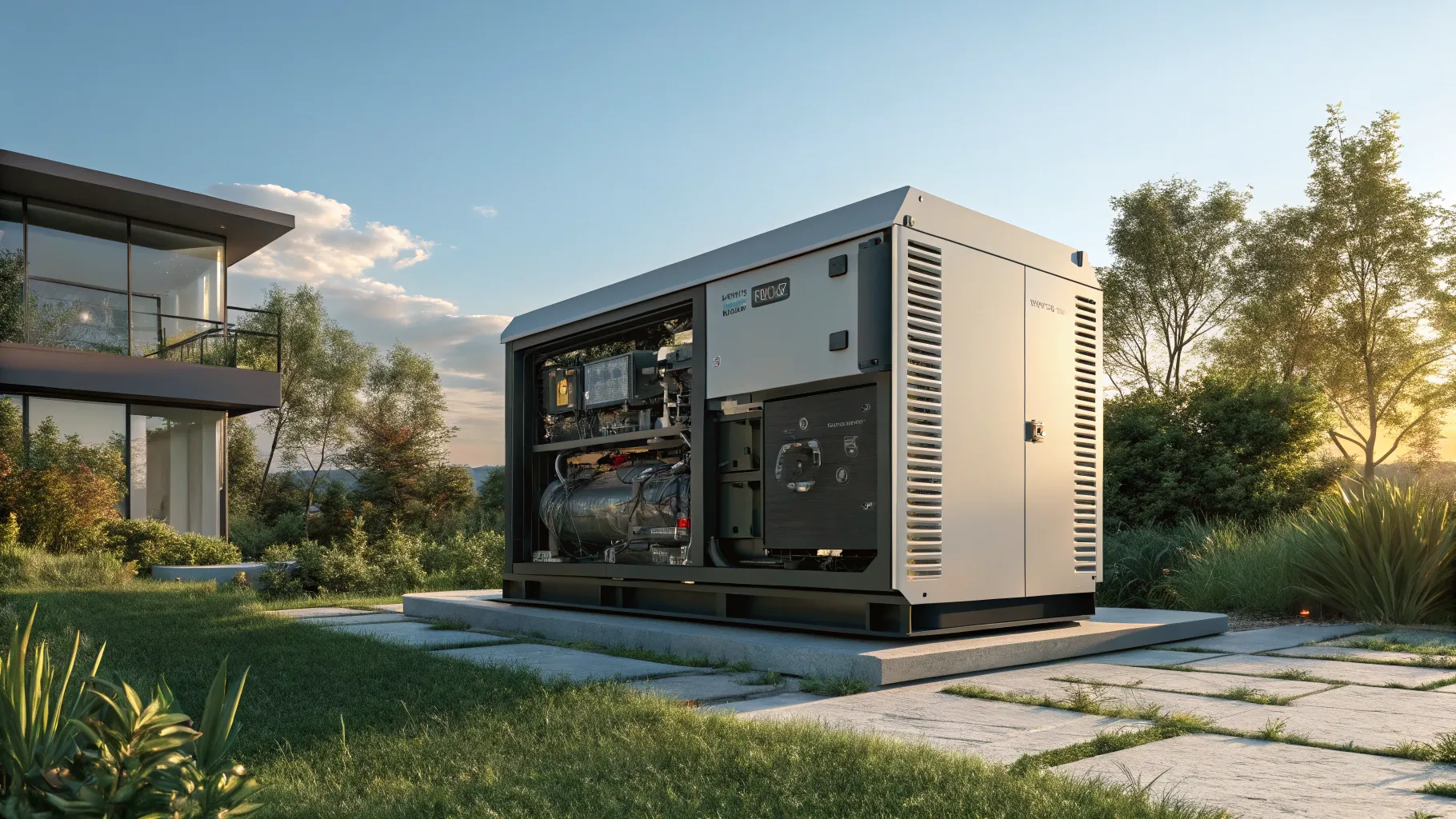
- Standby Generators: Permanently installed, these generators kick in automatically during outages, ensuring uninterrupted power supply for homes and businesses. They are more expensive but very convenient for emergency power needs.
Understanding the advantages and disadvantages of each type will help you choose the right generator for your specific requirements.
Evaluating the Price
Generator prices can range significantly depending on the type, brand, and features. On average, you can expect to pay anywhere from a few hundred dollars for portable units to several thousand dollars for high-capacity standby generators. In 2025, prices have remained quite stable, and you can find competitive deals, especially during seasonal sales events or holidays. When looking at prices, consider the following:
- Base Price: Always check the base price to understand what you're paying initially.
- Hidden Costs: Some generators might require additional purchases like installation kits or transfer switches, which can add to your total cost.
- Warranty and Support: Consider the warranty and support offered by the manufacturer as this can affect long-term costs.
For example, purchasing a high-end generator may seem expensive, but if it comes with a 5-year warranty and comprehensive customer support, it could save you money on repair costs later.
Maintenance Considerations
After purchasing your generator, proper maintenance is essential for ensuring its longevity and reliability. Regular maintenance includes changing the oil, checking and replacing the air filter, and testing it monthly to ensure it operates correctly. Some manufacturers recommend specific maintenance schedules, and following these can prevent costly repairs down the line.
Consider enrolling in a service plan offered by many retailers or manufacturers. These plans can provide peace of mind, knowing that your generator will be serviced periodically by professionals, keeping it in top condition.
Finding Generators with No Deposits
Another appealing option in 2025 is the availability of generators with no deposit required. Many retailers now offer zero-deposit financing options, allowing you to take home your generator without any upfront costs. This can be particularly appealing for those who need immediate power solutions but are tight on budget. Before selecting this option, ensure you read the fine print associated with these offers. Check for any hidden fees that might arise during the repayment process.
Buying a generator involves careful consideration of your power needs, budget constraints, and financing options available in today's marketplace. In 2025, as we continue to rely more on technology and electric power, owning a generator is becoming not just a luxury but a necessity for many across different sectors. Prepare for unforeseen power outages, recreational needs, or work demands by investing wisely in a generator that meets your specific requirements.
Authored by FreshLifeWire team