Essential Tips for Buying Your Custom Kitchen Today
Before You Buy a Custom Kitchen Here's What You Need to Know
If you’re considering upgrading your culinary space, purchasing a custom kitchen is a thrilling venture. However, it’s essential to approach this transformative project with caution and knowledge. Buying a custom kitchen isn’t just about selecting colors or materials; it's a multifaceted process that can significantly impact your home’s value and functionality. In this article, we delve into critical points you should consider before making a purchase.
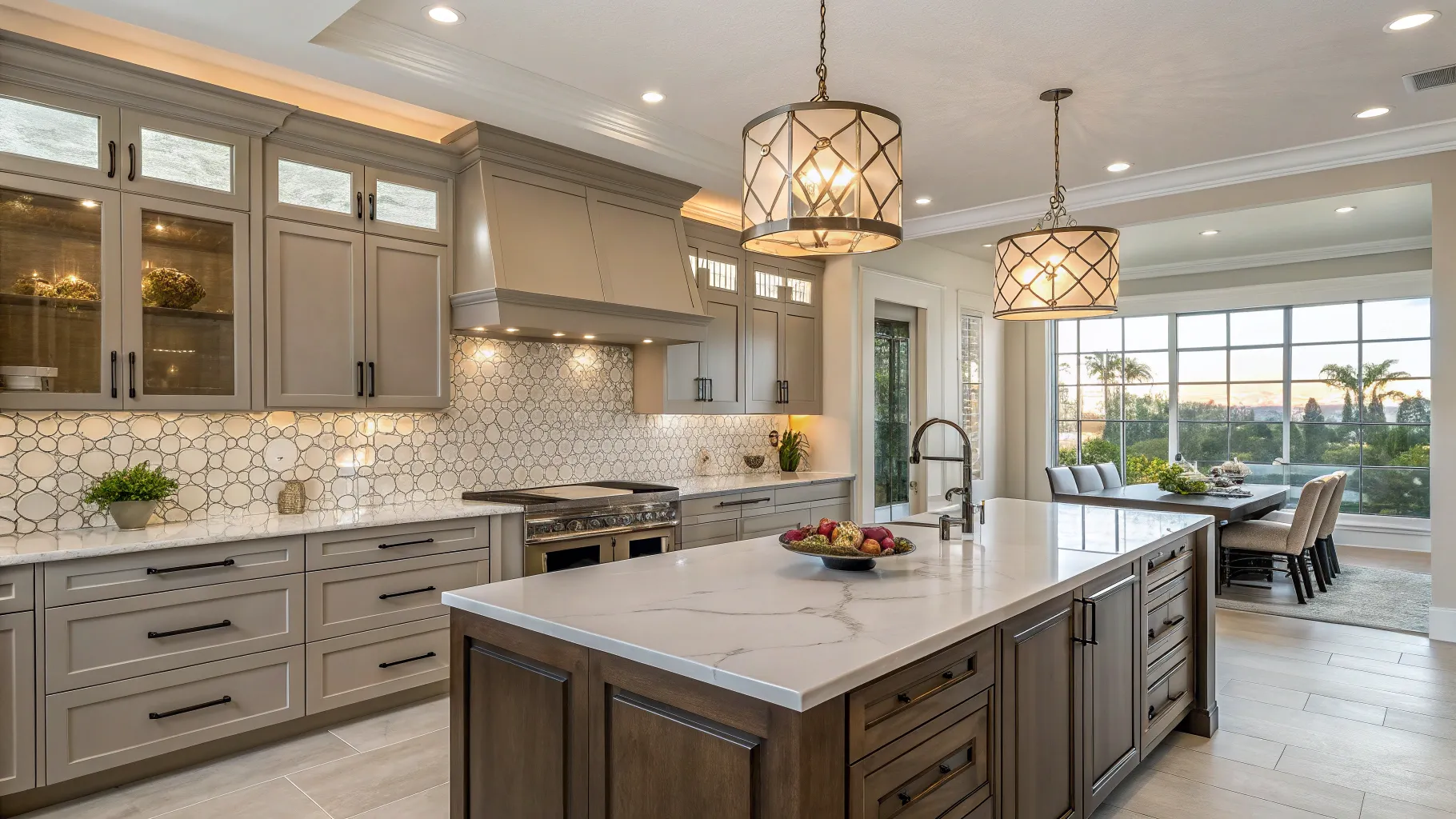
Understanding Your Needs and Lifestyle
Before diving into options, assess your lifestyle and how you use your kitchen. Are you a gourmet cook or someone who rarely steps foot in the kitchen? Will your kitchen be a family gathering spot or just a functional space? Understanding your needs is fundamental. Take notes on your daily kitchen activities. This will guide you in selecting layouts and features that resonate with your cooking habits.
Set a Realistic Budget
Determining a budget is paramount, especially since custom kitchens can range from a few thousand to over fifty thousand dollars depending on the materials and design. A recent survey indicates that homeowners spend an average of $30,000 on kitchen remodels, with custom options being typically more expensive due to bespoke features. Remember to include additional expenses like installation, materials, and any necessary structural changes in your budget.
- Consider Buy Now Pay Later Options: Many companies offer financing solutions that let you enjoy your new kitchen immediately without upfront payments. This can spread the cost over time, making it more accessible.
- No Deposit Options: Some vendors even have no deposit plans. This means you can start your kitchen project without financial strain, allowing flexibility.
- Monthly Payment Plans: Check if the company provides manageable installment plans. Staggered payments can alleviate budget constraints and provide financial peace of mind.
Choosing the Right Supplier or Contractor
The supplier or contractor you choose can make or break your kitchen remodel experience. Evaluate multiple professionals by reviewing their portfolios, reading customer reviews, and asking for recommendations from friends or family. Look for someone who specializes in custom kitchens, as their experience can greatly affect the final product. A good contractor will listen to your needs, offer suggestions, and be transparent about costs and timelines.
It’s recommended to check references and even tour previous projects they’ve completed. This firsthand experience can give you insight into their work quality and reliability.
Material Matters
The material you select impacts not only the aesthetics of your kitchen but also its durability. Opt for high-quality materials that suit your cooking habits; a busy kitchen may require more robust surfaces.
Some popular materials include:
- Granite Countertops: Known for their durability and unique patterns, they’re ideal for any kitchen.
- Solid Wood Cabinets: Timeless and sturdy, they bring warmth but require proper maintenance.
- Stainless Steel Appliances: These appliances offer sleek designs and ease of cleaning, making them a favorite among culinary enthusiasts.
Design Trends to Consider in 2025
Kitchen trends are constantly evolving. As of 2025, expect a continued emphasis on sustainable materials and smart technology. Eco-friendly options in cabinetry and countertops are gaining popularity, with homeowners becoming more conscious of their environmental impact.
Smart kitchen appliances that connect to your mobile device are also becoming standard. Features such as refrigerators that can help you inventory items or ovens you can control from your phone are becoming mainstream. Incorporating such technology can enhance your kitchen's functionality.
Plan for the Future
When designing your custom kitchen, consider future needs as well. If you’re planning on starting a family or expecting to host more guests, think about how your kitchen could accommodate these changes. Flexible spaces that can adapt over time are desirable. For instance, an island that can function as both a serve space and a work area can provide versatility.
Finalizing Your Design
After gathering all your requirements, working with your designer to finalize the kitchen layout and aesthetics is crucial. A professional will help you visualize the space utilizing 3D modeling software to give an accurate depiction of the final outcome. Make adjustments as necessary until you're satisfied.
Preparing for Installation
The installation process can be one of the most disruptive parts of a kitchen remodel. To prepare, clear out your old kitchen, making room for contractors. It’s helpful to set up a temporary kitchen space where you can access essential items, such as a microwave or mini-fridge. You’ll want to ensure that you minimize disruptions to your daily routine.
Effective communication with your contractor during this phase will help ensure a smooth installation. Regular check-ins can help address any concerns or adjustments promptly.
Enjoy Your Investment
Once your custom kitchen is complete, take a moment to enjoy the journey. Whether you are cooking elaborate meals or simply enjoying coffee with a loved one, remember that you have created a space that reflects your style and meets your needs. A custom kitchen not only serves practical purposes but can also enhance the overall value of your home, making it a wise investment.
Authored by FreshLifeWire team