Essential Tips for Buying the Best Sleeping Pillow 2025
Before You Buy a Sleeping Pillow Here’s What You Need to Know
Choosing the right sleeping pillow can significantly enhance your sleep quality and overall health. The right pillow bolsters your neck, supports your spine, and promotes comfort throughout the night. Given the wide range of choices available in 2025, understanding what features to look for before buying is crucial. The best pillows on the market now cater to various needs, from orthopedic support to budget-friendly options that offer flexibility in payment without requiring an upfront deposit.
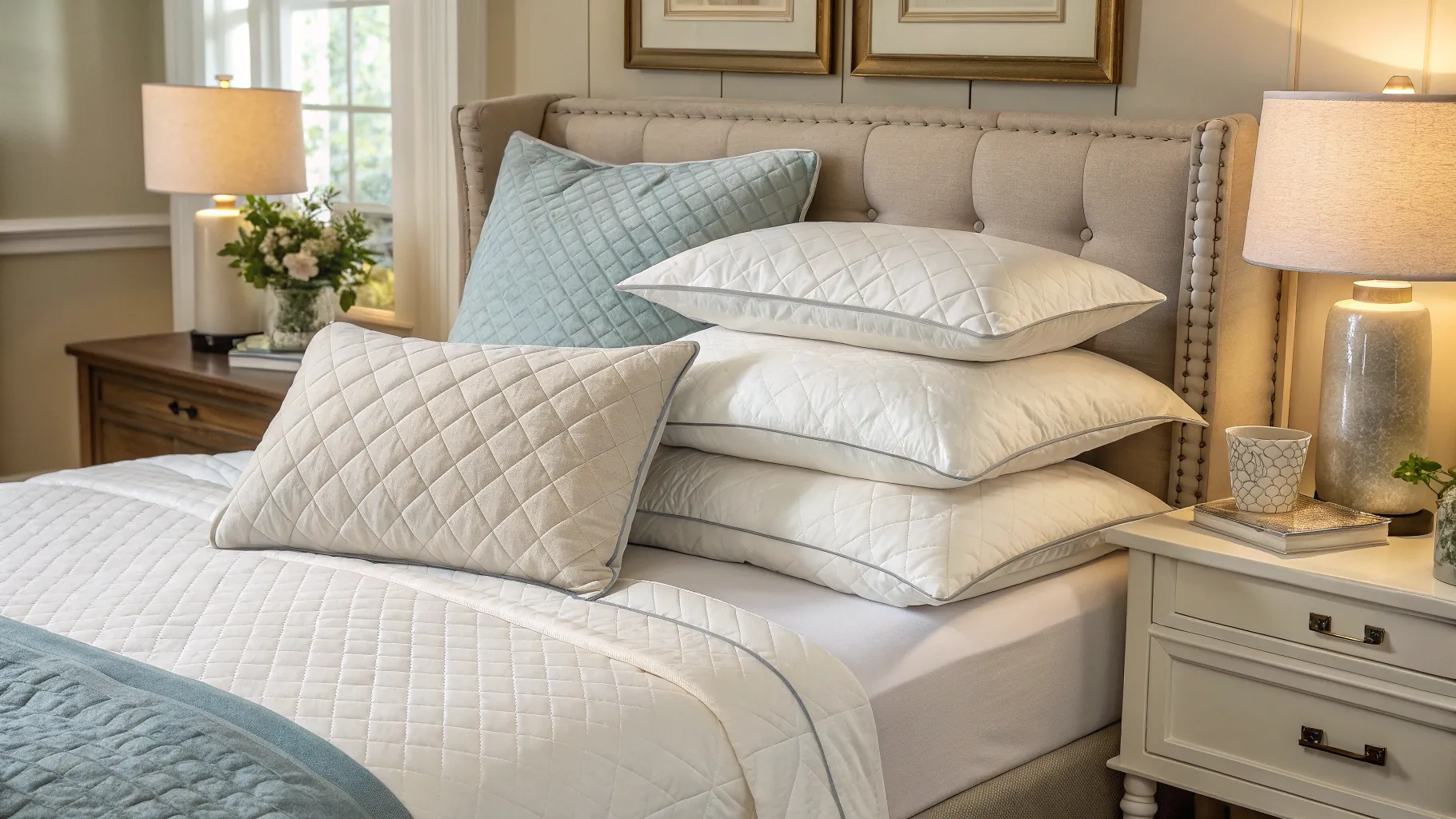
Types of Sleeping Pillows
When selecting a sleeping pillow, it’s important to understand the different types available. Each type serves unique purposes and aligns differently with personal comfort preferences. Here’s a concise breakdown:
- Memory Foam Pillows: These pillows adapt to the contours of your head and neck, offering tailored support that’s especially beneficial for those experiencing neck or back pain. Recent models often incorporate cooling gel layers to combat heat retention.
- Orthopedic Pillows: Designed explicitly to align the spine naturally, orthopedic pillows are excellent for people suffering from chronic pain or specific spinal issues.
- Latex Pillows: Hypoallergenic and durable, latex pillows provide firmer support compared to memory foam. This firmness makes them ideal for back sleepers seeking adequate alignment.
- Down and Feather Pillows: Renowned for their softness and luxury feel, these pillows are lightweight and comfortable but may not offer sufficient support for individuals needing firmer structures.
- Hybrid Pillows: By blending materials, hybrid pillows strive for a balance of support and comfort, appealing to a wide audience.
How to Choose the Right Sleeping Pillow
Finding the perfect sleeping pillow requires a thoughtful consideration of your comfort preferences and health needs. Here are some key guidelines to assist you in making the right decision:
- Identify Your Sleeping Position: Your preferred sleeping position greatly influences the type of pillow that works best for you. Side sleepers typically do well with thicker, firmer pillows, while back sleepers may find happiness with medium loft options. Stomach sleepers, who need to keep their necks aligned to avoid strains, should lean towards thinner, softer pillows.
- Consider Material Sensitivity: If allergies are a concern, opt for hypoallergenic materials such as latex or synthetic fills that resist dust mites and mold.
- Check Pillow Loft: Loft refers to a pillow’s height when it lies flat. Ensuring your pillow maintains a loft appropriate for your sleeping position helps keep your neck properly aligned with your spine.
- Test for Support: If possible, try the pillow before purchasing. Assess how it supports your head and neck without letting you sink too deeply or protruding your neck unnaturally.
- Evaluate Durability: The quality of materials matters in the long run. Investing in a high-quality pillow may entail higher upfront costs, but they can offer lasting comfort and support.
Recent surveys reveal that roughly 60% of respondents reported enhanced sleep quality after switching to pillows tailored to their sleeping positions. This statistic highlights the significance of making an informed choice.
Best Pillow for Neck and Back Pain
For individuals dealing with neck and back pain, the search for the right sleeping pillow becomes essential. Memory foam and orthopedic pillows have recently showcased remarkable advancements, making them top contenders for pain relief. For example, contoured memory foam pillows now often come equipped with cooling gel layers, targeting the discomforts of overheating that many users frequently report.
A recent study found that users of contoured memory foam pillows experienced a staggering 45% reduction in neck pain after just one month. Back sleepers particularly benefit from the cervical spine support that these pillows provide, significantly reducing pressure points and leading to more restful nights.
Moreover, many online platforms have adopted “buy now, pay later” options to make high-quality sleeping products more accessible. With these flexible payment plans, investing in the right pillow isn't a financial strain, promoting better sleep without the need for immediate full payment.
Sleeping Pillow Price List
As of 2025, the price range for sleeping pillows varies based on material quality, brand reputation, and design intricacies. Here’s an up-to-date price list to give you an idea:
- Memory Foam Pillows: $40 - $150
- Orthopedic Pillows: $50 - $200
- Latex Pillows: $50 - $120
- Down and Feather Pillows: $30 - $100
- Hybrid Pillows: $60 - $180
While some high-quality pillows may demand a premium price, remember that investing in the right pillow can significantly impact your health and productivity. This makes the cost worthwhile over time when you consider the benefits of a better night's sleep.
Retailers are increasingly offering flexible financing options, such as "no deposit pillow deals," making it easier for everyone to access quality pillows without breaking the bank. This ensures that quality sleep is attainable for all demographics, regardless of financial constraints.
Ultimately, the best sleeping pillows of 2025 are designed to cater to diverse needs and personal preferences, promoting restful nights for everyone. As you navigate the myriad options available, prioritize factors such as comfort, support, and durability. When unsure, consider testing pillows at a mattress retailer, as many now have favorable return policies that allow you to find the right fit in the comfort of your own home.
Authored by FreshLifeWire team