Essential Symptoms of Coronary Heart Disease to Know
Understanding the Symptoms of Coronary Heart Disease
Coronary heart disease (CHD) is a prevalent condition worldwide, affecting millions of individuals each year. In fact, recent data indicates that approximately 18 million people in the U.S. live with some form of heart disease. Recognizing the symptoms early can be pivotal in managing this disease effectively. This article aims to delve into the various symptoms associated with CHD, including chest pain, shortness of breath, and more, providing you with crucial insights to safeguard your heart health.
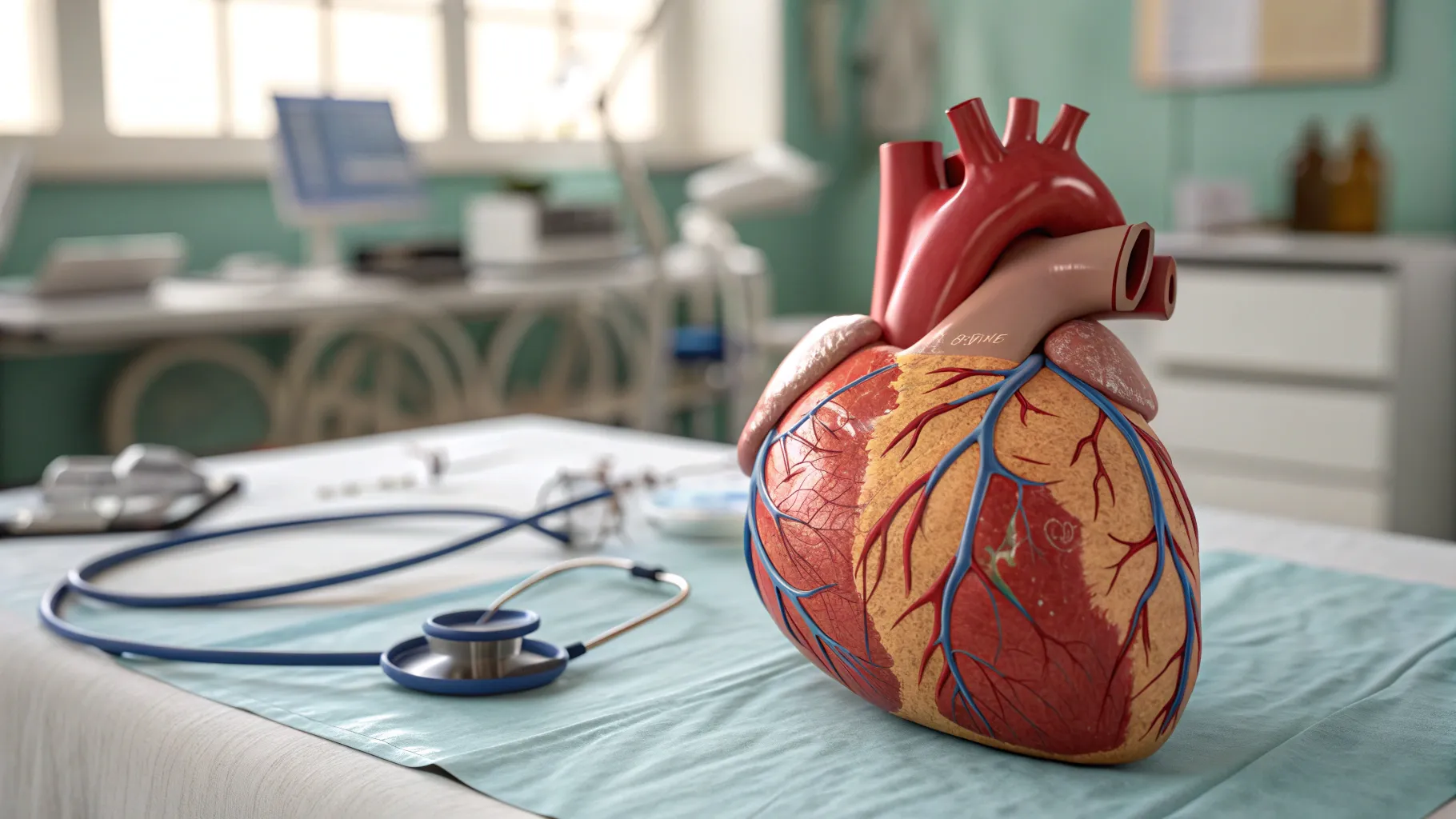
Common Symptoms of Coronary Heart Disease
People often associate heart disease with severe symptoms, but it can manifest in various ways that are sometimes subtle or even non-specific. Below, we explore the most common symptoms:
- Chest Pain and Pressure: The hallmark symptom of coronary heart disease is chest pain or discomfort, often described as pressure, squeezing, or fullness. This discomfort can arise during physical exertion or emotional stress, leading to what is commonly referred to as angina. Many people report finding it difficult to distinguish between simple indigestion and the chest pain associated with heart issues, which can be dangerous.
- Shortness of Breath and Fatigue: As CHD progresses, it can lead to reduced blood flow, causing shortness of breath even during light activity. Additionally, fatigue is a common yet often overlooked symptom, especially among women, who may experience it more acutely than men.
- Palpitations and Irregular Heartbeats: Many individuals report feeling their heart racing or irregular heartbeats, also known as arrhythmias. While sporadic palpitations can result from anxiety or caffeine intake, consistent irregular heart patterns should never be ignored.
- Nausea and Dizziness: Some people may experience nausea, lightheadedness, or dizziness, particularly during periods of pain or stress. These symptoms are more common in women, and many attribute them to unrelated conditions.
- Excessive Sweating and Anxiety: Acute episodes of excessive sweating, especially accompanied by anxiety, can also be symptomatic of coronary heart disease. This is often misinterpreted as anxiety attacks, complicating diagnosis.
- Silent Heart Attacks and Nonspecific Symptoms: Some individuals may suffer from a silent heart attack, with symptoms so mild they go unnoticed. It’s important to listen to your body and seek medical advice if you experience any unusual changes.
Recognizing Early-Stage Coronary Heart Disease
In 2025, emerging research emphasizes the importance of recognizing the early signs of coronary heart disease. Studies indicate that early intervention can significantly reduce the risk of heart attacks and improve long-term outcomes. In this context, awareness plays a vital role. Here are key points for early detection:
- Stay in Tune with Your Body: It is essential to be aware of any changes in your body, especially if you have risk factors like diabetes, high blood pressure, or a family history of heart disease.
- Regular Check-ups: Regular visits to your healthcare provider can help identify risk factors before they escalate. Blood tests can measure cholesterol and glucose levels, while other tests like EKGs monitor heart health.
- Lifestyle Choices: Maintaining a healthy lifestyle, including regular exercise, a balanced diet, and maintaining a healthy weight can significantly reduce your risk. Adopting heart-healthy habits early on pays dividends in later years.
The Importance of Seeking Medical Attention
If you recognize any of these symptoms in yourself or someone else, especially chest pain, it’s crucial to seek medical attention immediately. A significant number of Americans remain unaware of their heart disease risk, which can lead to catastrophic health consequences. For instance, the CDC reported that in 2024, nearly 50% of heart attack patients had not previously been diagnosed with heart disease.
For some, the time between the onset of symptoms and seeking treatment can determine the outcome. The adage "time is muscle" holds for heart attacks; the longer the heart goes without adequate blood flow, the greater the damage. Implementing a proactive approach to health can indeed save lives.
Statistics and Real-World Case Studies
Statistics help contextualize the importance of recognizing heart disease symptoms. According to a recent health survey, 60% of individuals experiencing chest pain did not seek immediate medical care, underestimating its seriousness. Additionally, a study conducted in late 2024 highlighted that 25% of heart attack patients attributed their symptoms to stress rather than recognizing them as potential heart issues.
A poignant example is the case of a 56-year-old woman, recently reported in a local health magazine, who experienced intermittent chest pressure for weeks but dismissed it as anxiety. When she finally sought help, the diagnosis revealed significant coronary artery disease, necessitating urgent surgical intervention. Sharing such cases emphasizes the importance of vigilance regarding heart health—do not risk your well-being by ignoring potential warning signs.
In summary, coronary heart disease symptoms vary significantly and can often be misconstrued. By being informed and proactive about your health, you can recognize the early signs and reduce the risk of severe complications in the future. Listening to your body, understanding the symptoms, and seeking timely medical advice can make all the difference.
Authored by FreshLifeWire team