Essential Pharma Packaging and Labeling Solutions for Safety
Understanding Pharma Packaging Solutions
The pharmaceutical landscape is undergoing significant transformation as companies grapple with the ever-increasing pressures of safety, compliance, and consumer expectations. In today's world, pharma packaging solutions are not just an afterthought but an essential component of pharmaceutical success. With projections indicating that the global pharmaceutical market will surpass 1.5 trillion dollars in 2025, the design and implementation of effective packaging solutions are paramount for maintaining medication integrity and ensuring user safety.
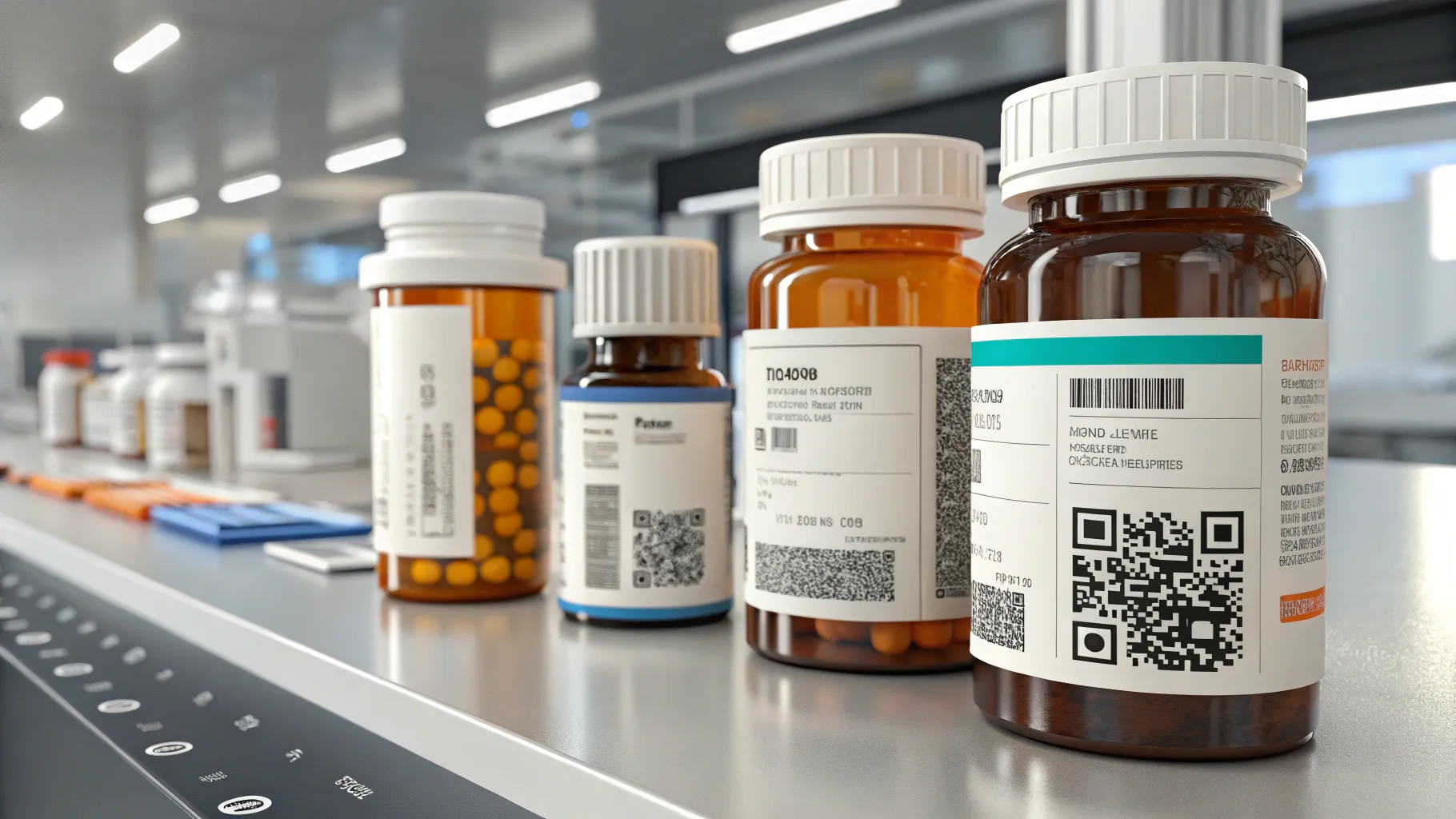
What's behind the growing demand for innovative packaging? Several factors: advancements in technology, evolving consumer preferences, and strict regulatory requirements are shaping a packaging landscape that prioritizes security and usability. Pharma companies are now directing investments toward cutting-edge materials and automated processes to enhance the safety and compliance of their products.
The Importance of Pharmaceutical Labeling Compliance
One of the most critical aspects of pharmaceutical packaging is compliance with labeling regulations. Recent data from the FDA highlights that over 60% of medication errors occur due to mislabeling or unclear instructions. This concerning statistic underscores the importance of accurate and comprehensible labels. Clear labeling aids not only patients but also caregivers and healthcare professionals in understanding dosages, methods of administration, and potential side effects, significantly contributing to patient safety.
- Regulatory Standards: Pharmaceutical companies face strict regulations from organizations such as the FDA and the EMA regarding label content, size, and placement. Adhering to these standards is not just a legal obligation; it’s a commitment to patient safety.
- Variability in Information: Operating in a global market complicates labeling, as companies must create labels that accommodate diverse languages and cultural norms, making compliance a challenging endeavor.
- Accessibility: Labels need to be user-friendly, ensuring that all individuals, including those with visual impairments, can understand essential information.
To address these challenges, the industry is embracing innovative pharma labeling technology. Digital labels, often embedded with QR codes, enable consumers to access in-depth information about their medications via smartphones. A recent survey indicated that 45% of consumers favor interactive labeling solutions that enhance transparency regarding their medications.
Label Formats and Their Challenges
Pharmaceutical companies are increasingly utilizing various formats for their labeling needs. These formats include direct printing on packaging and the application of pre-printed labels. Both approaches present unique challenges:
- Direct Printing: This method streamlines the labeling process but often leads to errors in automated systems, necessitating frequent quality control checks to avoid costly mistakes.
- Pre-printed Labels: While these labels can provide a higher level of accuracy, they often come with increased costs and require more extensive storage space to manage inventory.
Amidst this complexity, it's vital for companies to perform regular audits and continuously adapt to new technological standards to ensure compliance. In recent months, the adoption of automated inspection technologies powered by AI has shown to significantly decrease labeling errors, enhancing efficiency rates by over 20%. This shift illustrates the potential of technology to bolster packaging accuracy.
The Role of Tamper Evident Pharmaceutical Packaging
Safety stands as one of the foremost concerns in the pharmaceutical sector, a concern that tamper evident pharmaceutical packaging directly addresses. This specialized type of packaging instills greater confidence in consumers, ensuring that products are secure and unaltered. The World Health Organization has raised alarms about the rampant issue of counterfeit drugs, which poses a substantial threat to public health globally. Effective packaging solutions can significantly mitigate this risk.
In 2025, it is estimated that nearly 10% of medicines in low- and middle-income countries are either substandard or counterfeit, raising serious public health issues. Utilizing tamper evident features, such as shrink bands or breakable seals, can greatly enhance consumer trust and highlight a company’s commitment to quality.
Advantages of Tamper Evident Packaging
- Enhanced Safety: Securing medication packaging reassures consumers, allowing them to feel confident that their products remain intact and safe.
- Brand Integrity: Companies that prioritize secure packaging demonstrate a commitment to safety and quality, fostering stronger brand loyalty.
- Market Differentiation: In a competitive market, effective packaging can set a brand apart, appealing to consumers' growing concerns about safety.
Digital Pharma Labels: The Future of Medication Labeling
With the rapid advancement of technology, digital pharma labels are becoming increasingly popular. These labels empower patients with real-time information about their medications, integrating seamlessly with personal technology like smartphones. A recent market survey indicates that 34% of patients are more likely to choose pharmacies offering digital label capabilities, particularly for chronic conditions requiring consistent medication.
These modern digital labels come equipped with various useful features, such as refill reminders, dosage alerts, and links to educational resources about the medication. By providing seamless access to critical information, digital labels allow patients to maintain a comprehensive understanding of their treatment protocols.
Benefits of Digital Labels
- Real-Time Updates: Patients receive instant notifications regarding medication recalls or new guidelines directly through their devices, promoting enhanced safety.
- Accessibility: Information can be customized to fit the needs of individual patients, including language translations for non-native speakers.
- Cost-Effective: Transitioning to digital labels can lead to significant savings in printing costs associated with traditional labeling methods over time.
In recent months, significant strides have been made in the adoption of digital labels across common medications. Pharmaceutical companies are actively investing in research and development to create user-friendly digital interfaces that align with health regulations while enhancing patient engagement.
As the world of pharma packaging and labeling evolves in 2025, companies must continue to prioritize compliance, safety, and innovation. Engaging with the latest advancements in labeling technology is not just beneficial for the industry but also vital for fostering a deeper trust among consumers who seek safety and clarity in their medication packaging.
Authored by FreshLifeWire team