Essential Parkinsons Diet Tips for Seniors Nutrition Guide
Parkinson’s Diet for Seniors Nourishing the Body and Mind
In 2025, the importance of nutrition for seniors with Parkinson’s disease remains increasingly crucial. About 1 million individuals in the U.S. are currently managing this neurodegenerative disorder. As their bodies change with age, carefully designed meal plans can significantly influence quality of life. These plans can help manage symptoms and promote overall health, benefiting seniors physically and mentally.
Understanding the Importance of Nutrition for Parkinson's Patients
Nutrition plays a pivotal role in managing Parkinson's symptoms, which can include low energy, weakened immunity, and digestive challenges. In fact, recent studies underscore how specific nutrients can potentially alleviate these issues. Many seniors with Parkinson’s experience dysphagia, or difficulty swallowing, which underscores the need for easily consumable, nutritious foods.
In 2023, researchers presented findings highlighting that diets rich in antioxidants can help mitigate oxidative stress in the brain, a key factor in neurodegenerative diseases. Consequently, adopting a Parkinson's-friendly diet is more than just beneficial – it's essential for improving health outcomes and daily functioning.
Parkinson's-Friendly Foods
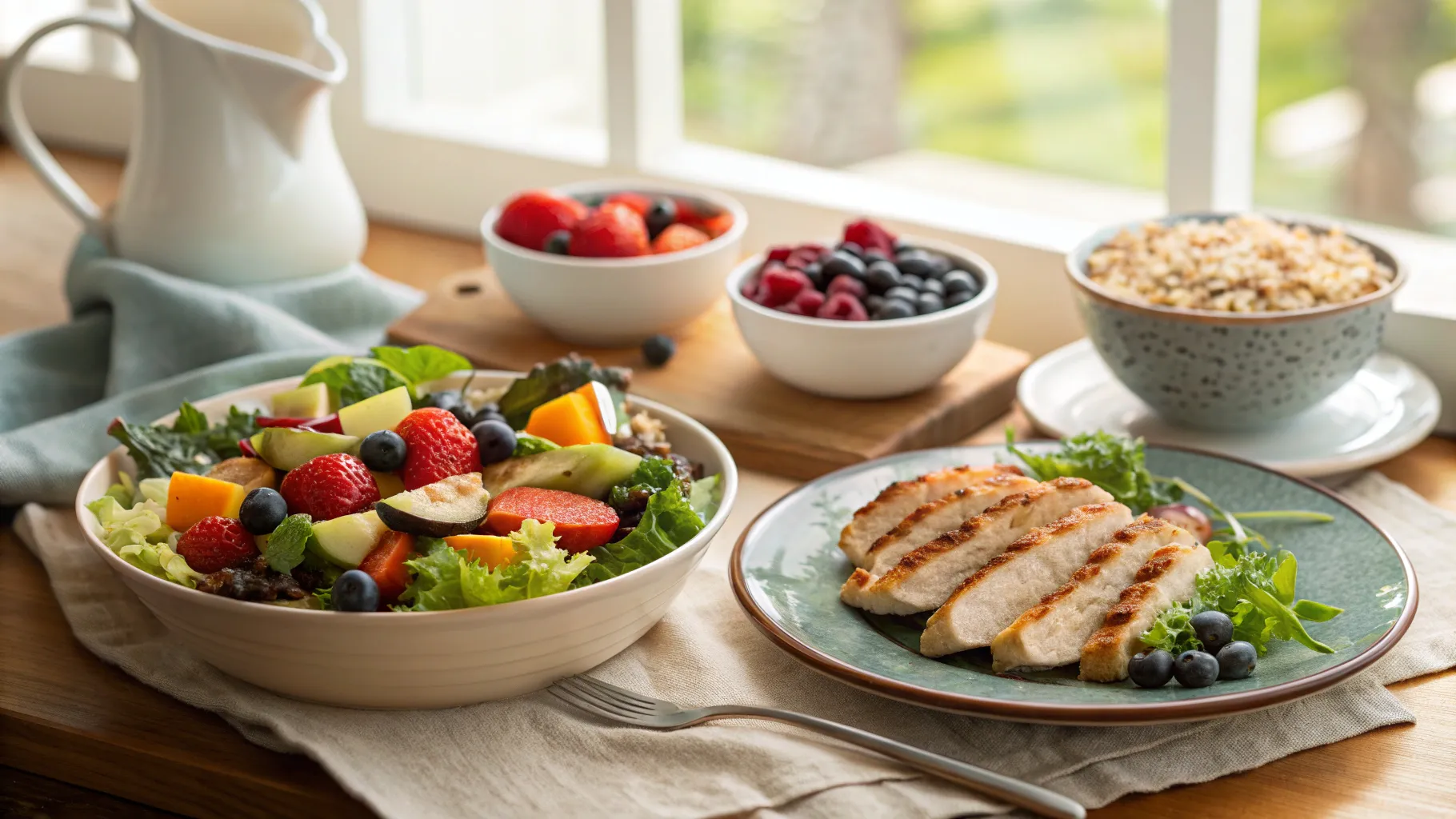
- Fruits and Vegetables: Packed with antioxidants, vitamins, and minerals, brightly colored fruits like blueberries, bananas, and oranges support brain health. Leafy greens, carrots, and sweet potatoes also play a vital role in reducing inflammation.
- Whole Grains: Solutions like oatmeal, quinoa, and whole grain bread offer fiber that aids in digestion. Fiber is crucial, as constipation is a common issue for those with Parkinson's.
- Lean Proteins: Chicken, fish, eggs, and legumes support muscle maintenance. Importantly, fatty fish, particularly those rich in Omega-3s, such as salmon, are associated with cognitive function improvement.
- Dairy Products: Foods like yogurt and certain cheeses provide essential calcium, and probiotics from fermented dairy boost gut health, which is particularly beneficial for those experiencing gastrointestinal issues.
- Healthy Fats: Nutritious options like avocados, nuts, and olive oil help with fat-soluble vitamin absorption, which is necessary for optimal health.
Meal Plans for the Elderly with Parkinson’s
Creating a structured meal plan can offer invaluable support in managing daily nutrition. Here's an example of a balanced meal plan that embodies effective strategies for best nutrition for Parkinson’s management:
Breakfast:
- A bowl of oatmeal topped with fresh strawberries and a sprinkle of chia seeds for added fiber and omega-3 fatty acids.
- A refreshing glass of orange juice or a nutrient-packed fruit smoothie crafted with spinach and banana.
Mid-Morning Snack:
- Delicious Greek yogurt drizzled with honey and topped with crunchy walnuts, offering both flavor and health benefits.
Lunch:
- A hearty grilled chicken salad featuring an array of colorful vegetables, dressed lightly with olive oil and vinegar.
Afternoon Snack:
- A banana partnered with a handful of almonds, providing quick energy and important nutrients.
Dinner:
- Baked salmon accompanied by quinoa and steamed broccoli for a wholesome, satisfying meal.
- A small portion of dark chocolate as dessert keeps things indulgent yet healthy (in moderation).
Evening Snack:
- A small serving of mixed berries or fresh apple slices to round off the day with antioxidant-rich goodness.
Incorporating Hydration
Hydration is integral yet often overlooked in dietary management for those with Parkinson's. Adequate fluid intake is vital, as dehydration can worsen symptoms and lead to serious complications. Encourage regular water consumption throughout the day, and incorporate hydrating foods like soups, smoothies, and high-water-content fruits to assist those who may struggle with drinking plain water.
Dietary Adjustments for Common Symptoms
Understanding how to tackle specific symptoms with dietary changes is key. For instance:
- Constipation: More high-fiber foods ease digestive woes along with the previously discussed increase in hydration.
- Weight Loss: For those experiencing unintended weight loss, calorie-rich foods, including healthy fats, support weight maintenance.
- Dysphagia: Individuals may need to select softer or pureed foods that are both nutritious and palatable, ensuring ease of swallowing.
Engaging Meals with Mindfulness
Creating a positive eating environment can lead to improved health outcomes. Taking the time to eat in a calm, comfortable setting while engaging with family or friends can enhance the overall dining experience. Emphasizing mindfulness – focusing on the flavors, textures, and feelings evoked by food – can turn meals into joyful experiences rather than just routines.
Moreover, caregivers and family members play a vital role in this journey. Involving loved ones in meal planning and preparation not only bolsters nutrition but also fosters a sense of community and emotional well-being.
Regular Consultations with Healthcare Professionals
Finally, regular communication with healthcare providers, registered dietitians, and nutritionists who specialize in nutrition for seniors with Parkinson’s is essential. These professionals can offer personalized advice based on individual health considerations, preferences, and any specific challenges encountered due to Parkinson’s.
As research continues to evolve, the understanding of how diet impacts Parkinson’s symptoms becomes increasingly clear. Thus, adopting a tailored approach to nutrition not only supports physical health but also contributes to overall empowerment in seniors' lives. This nurturing journey is about more than food; it's about enhancing both body and mind while cultivating joy around shared meals. By focusing on nutritious foods and positive experiences, seniors with Parkinson's can find comfort and sustenance in their daily lives.
Authored by FreshLifeWire team