Essential Industrial Lifting with Modern Crane Hooks
The Vital Importance of Crane Hook Assemblies Today
In the dynamic industrial landscape of 2025, crane hook assemblies are a crucial component that continues to affirm their importance across numerous sectors. With the introduction of modern technologies and heightened safety standards, these essential pieces of equipment have undergone significant transformations. These developments have made crane hook assemblies more reliable, efficient, and fundamental than ever before. Whether in transportation, construction, or other heavy industries, crane hooks play a pivotal role in the secure transportation of heavy loads, minimizing manual labor risk, and significantly enhancing productivity.
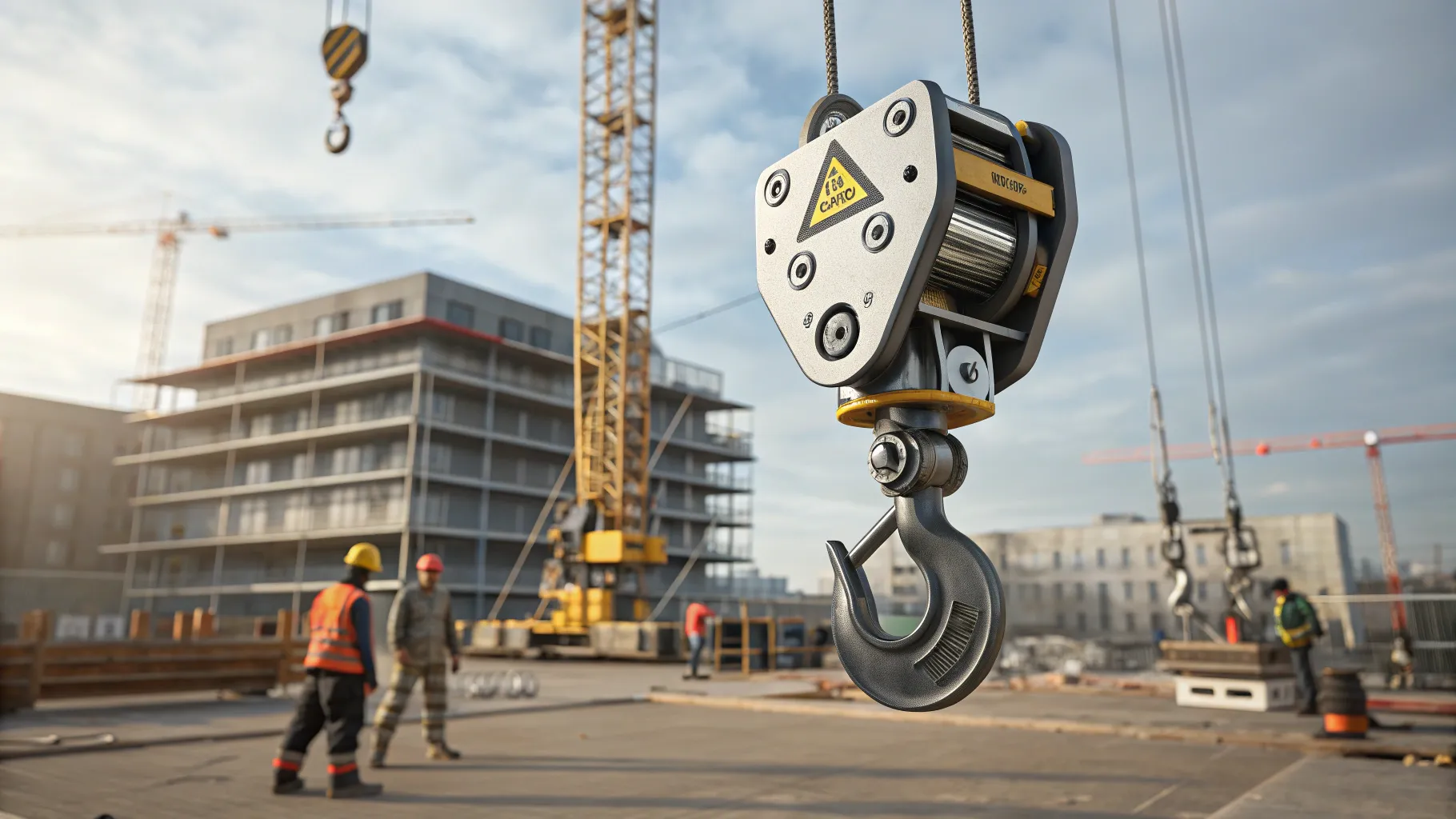
Exploring the Anatomy of Contemporary Crane Hooks
The complexity of crane hook assemblies cannot be understated; they truly form the backbone of crane operations. These hooks secure the link between the crane and the load, and their designs vary to accommodate a range of industrial tasks. Modern crane hooks are crafted with robust, high-strength alloys designed to handle heavier loads safely—an essential feature in the demanding industrial settings of today. As such, their pivotal role in safe and productive lifting underscores their significance within various industrial processes.
Diverse Types of Heavy-Duty Crane Hooks
Since crane hook designs are developed to cater to specific operational needs, there exists a broad array of types. Some of the most commonly used include:
- Shank Hooks: Primarily utilized in construction and manufacturing, shank hooks are favored for their robust design and adaptability in a multitude of lifting tasks. Their simplicity makes them a staple in general operations.
- Ramshorn Hooks: Notable for their dual-hook design, ramshorn hooks are frequently employed in shipbuilding and offshore platforms, specifically due to their proficiency in handling uneven load distributions.
- C Hooks: These are specialized for coil lifting, perfect for transporting rolled materials. C hooks are indispensable within steel and metal processing sectors given their precision and security.
- Clevis Hooks: Renowned for their signature U-shape, clevis hooks allow for easy attachment, frequently appearing in transportation and emergency rescue services.
Innovations Boosting Safety and Efficiency in Crane Operations
2025 marks a significant leap forward in crane hook technology, with smart integrations revolutionizing safety and operational efficiency. Advanced sensors embedded within hooks now offer real-time data about load stress and weight distribution. This technology is a game-changer, ensuring operations stay safely within regulated boundaries and assisting in preventive maintenance of equipment, thus extending its operational life.
Moreover, the inception of automated hook systems has redefined crane operations. These systems offer remote capabilities for load attachment and detachment, reducing the potential for human error and minimizing manual intervention. This progression towards automation has resulted in notable safety and productivity improvements, leading to widespread adoption in various industries.
Real-World Impacts and Case Studies of Technological Advancements
An illustration of these technological strides can be seen with a leading logistics firm that, earlier this year, began incorporating sensor-enhanced hooks into their operations. This shift led to a 40% boost in lifting efficiency while decreasing workplace accidents by 25%. These figures underscore the extensive benefits of adopting state-of-the-art crane hook technology, propelling demand across a multitude of sectors.
Envisioning the Future of Crane Hook Development
As we progress through 2025, the overarching trend towards digitization in lifting operations continues to grow. Smart hook systems that seamlessly blend superior performance with reliability are being established as the industry benchmark. Beyond just improving efficiency, they represent a leap forward in sustainable practices.
The pursuit of sustainability has driven manufacturers to experiment with recycled materials for producing cranes, benefiting both environmental conservation and enhancing the durability and weight efficiency of crane hooks. Furthermore, upcoming breakthroughs in material science hold the promise of producing stronger and lighter hook variants, facilitating efficient lifting without compromising on safety. These advancements underscore the evolving nature of crane hook assemblies and fortify their essential role within the industrial sector.
Crane hook assemblies aren't merely tools for lifting; they are integral to ensuring industrial safety and efficiency. As 2025 advances, sustained enhancements in their design and functionality are anticipated to further expand the possibilities within industrial lifting, bolstering their continued relevance and importance in the modern industrial realm.
Authored by FreshLifeWire team