Essential Guide to Vision Exams after 40 Years Old
Understanding Vision Exams after 40
As we transition into our 40s, it's common to experience various changes in our bodies, notably our eyesight. With age, the eyes can undergo significant transformations due to a combination of natural aging, increased screen exposure, and lifestyle factors. This makes it crucial to prioritize regular vision exams after turning 40.
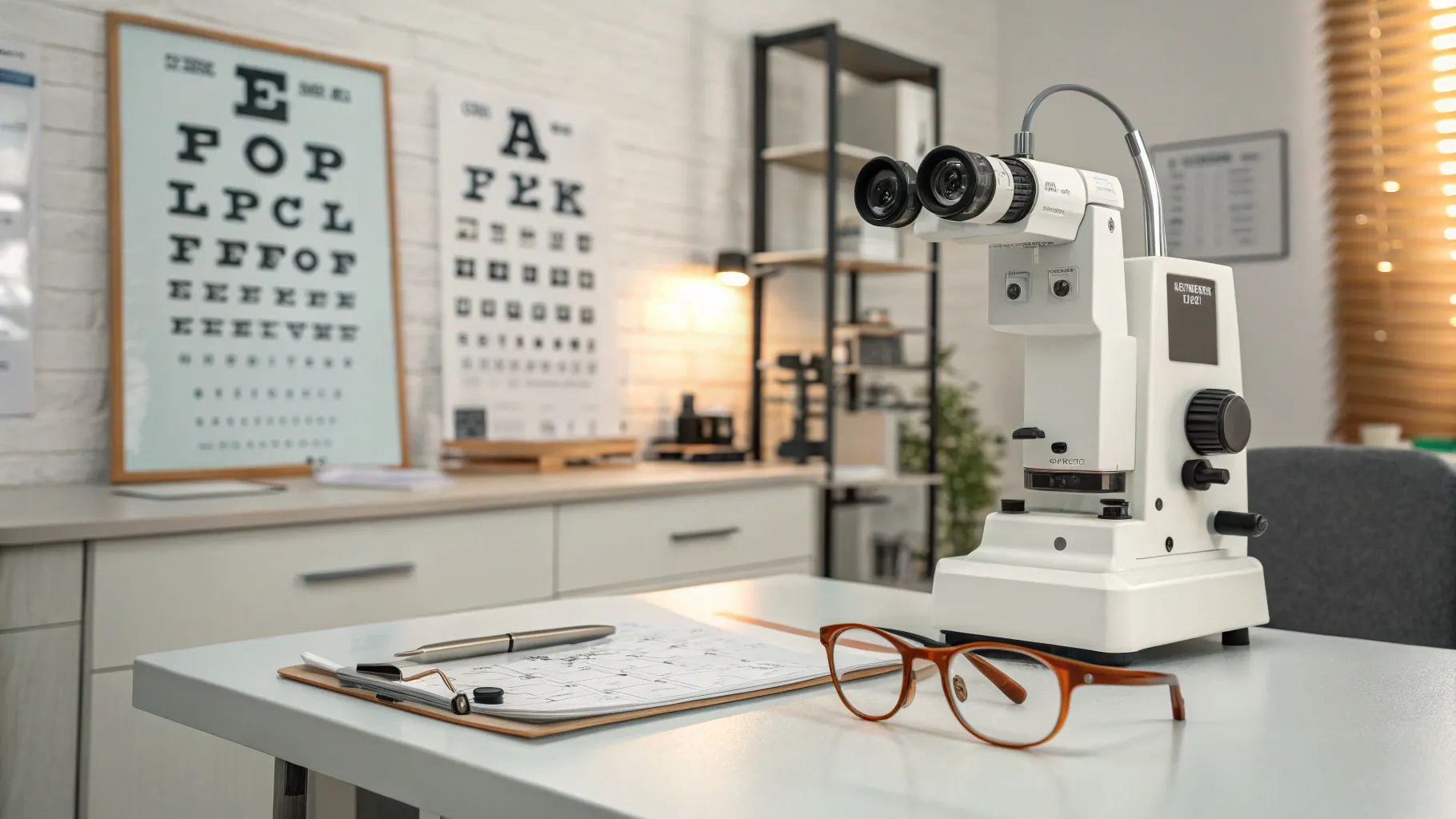
How Often Should You Schedule Eye Exams after Turning 40?
Health professionals recommend that adults between the ages of 40 and 64 have comprehensive eye examinations every two years. However, if you require glasses or contact lenses, or if you have existing conditions like glaucoma or diabetic retinopathy, annual check-ups are essential. The American Academy of Ophthalmology emphasizes that early detection of eye diseases is vital in preventing significant vision loss and maintaining eye health.
According to recent statistics from the Centers for Disease Control and Prevention (CDC), nearly 12 million people aged 40 and older in the United States suffer from vision impairment. This alarming figure highlights the vital need for regular eye exams. Consistent check-ups allow professionals to monitor eye health closely and catch any emerging issues.
Common Eye Conditions to Be Aware of After 40
Reaching the age of 40 increases the likelihood of encountering various eye conditions. Here are a few to be aware of:
- Presbyopia: Many individuals begin to notice difficulty focusing on close objects due to presbyopia, a condition caused by the gradual stiffening of the lens in the eye. People may find themselves holding reading materials at arm's length.
- Cataracts: By age 75, more than half of Americans will either have cataracts or have undergone surgery to remove them. Cataracts cloud the lens of the eye, leading to blurry vision and difficulties with glare.
- Glaucoma: Glaucoma encompasses a group of conditions that damage the optic nerve, often linked to increased eye pressure. Regular check-ups can help in early detection, which is crucial for effective management.
- Age-related Macular Degeneration (AMD): AMD is a leading cause of vision loss in seniors, affecting central vision. This condition primarily impacts tasks like reading and driving, demanding prompt attention from eye specialists.
Recognizing these conditions underscores the importance of diligent eye examinations. For instance, glaucoma may not present any noticeable symptoms until significant vision impairment occurs, which makes early detection all the more critical.
The Impact of Technology on Eye Exams
Advancements in technology have revolutionized how eye examinations are conducted, ensuring higher accuracy and efficiency. Many eye clinics now utilize sophisticated diagnostic tools like Optical Coherence Tomography (OCT). This technology provides high-resolution images of the retina's cross-section, enabling earlier detection of conditions such as diabetic retinopathy and macular degeneration, which can dramatically affect quality of life.
Moreover, the surge in telemedicine services has greatly increased accessibility to eye care. Patients can schedule virtual consultations with eye care professionals, simplifying the process for those living in remote areas or experiencing mobility challenges. This trend makes it easier to ensure regular eye check-ups without the barriers of travel and time constraints.
When to Visit Your Eye Care Professional
While sticking to a schedule for regular eye exams is essential, it’s also critical to recognize when to seek immediate care. Here are some warning signs:
- Sudden changes in vision, including blurriness or distortion, which could raise concern for various eye diseases.
- Persistent headaches that might indicate strain from uncorrected vision issues.
- Difficulties seeing at night or experiencing halos around lights can be early signs of cataracts.
- Changes in peripheral vision might suggest glaucoma onset.
- Seeing flashes of light or floaters, which could indicate potential retinal problems.
If you experience any of these symptoms, don’t wait for your next scheduled appointment. Seeking timely medical advice is critical, as early intervention can preserve your vision and prevent further complications.
Enhancing Eye Health After Turning 40
In addition to regular eye exams, adopting a healthier lifestyle can significantly benefit your eye health. Incorporating a diet rich in antioxidants, vitamins C and E, zinc, and omega-3 fatty acids helps maintain vision quality. Foods like leafy greens, fish, and nuts are excellent choices that can boost ocular health.
Furthermore, protecting your eyes from harmful UV radiation is vital. Wearing sunglasses that block 100% of UVA and UVB rays can prevent long-term damage. Staying well-hydrated and avoiding smoking also contribute to reducing your risk of developing various eye conditions.
Reducing screen time or taking frequent breaks during extended periods of computer use is crucial in combating digital eye strain, which has become increasingly prevalent due to modern lifestyles that heavily depend on screens.
In summary, as we age, it becomes imperative to remain proactive about our eye health through regular vision check-ups and healthy lifestyle choices. By adopting these practices, not only can we protect the clarity of our eyesight, but we can also enhance our overall well-being as we navigate life beyond 40.
Authored by FreshLifeWire team