Essential Guide to Varicose Vein Stockings for Seniors
Varicose Vein Stockings for Seniors
As we age, our bodies undergo various changes, and for many seniors, varicose veins become a common concern. These bulging veins can lead to discomfort, swelling, and other health issues. Compression stockings are a popular solution for managing the symptoms of varicose veins and promoting better vein health. In 2025, these stockings have evolved significantly in design and functionality, providing various options tailored for seniors.
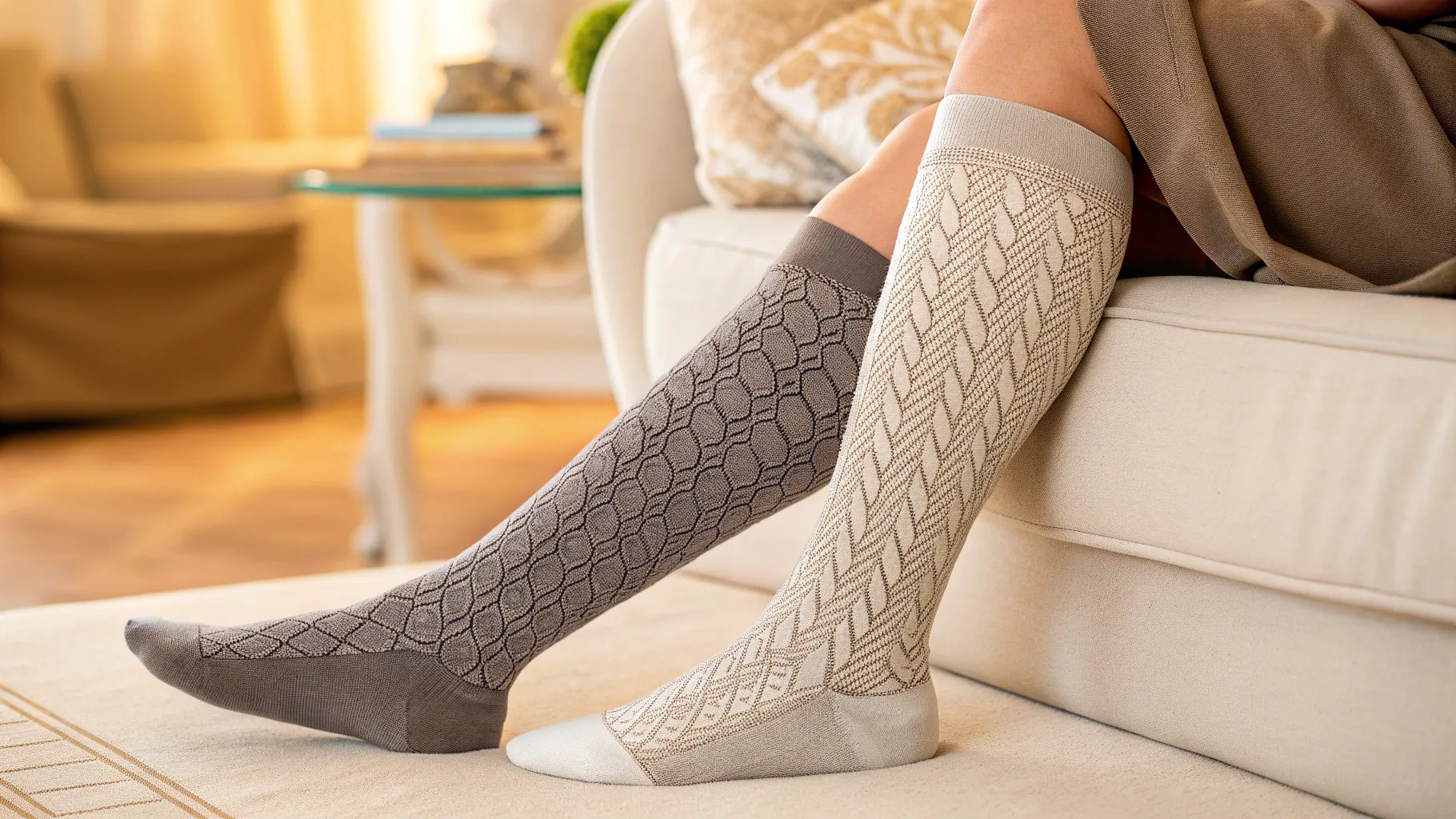
Types of Compression Stockings
Compression stockings come in different types, making it easier for seniors to find the perfect fit for their needs. Here are the main categories:
- Gradient Compression Stockings: These are the most recommended for varicose veins. They exert the greatest pressure at the ankle and gradually decrease up the leg. This design helps to enhance blood flow and reduce swelling.
- Non-Gradient Compression Stockings: These provide uniform pressure throughout the leg. While they can be beneficial, they are less effective than gradient options for treating varicose veins.
- Knee-High vs. Thigh-High: Knee-high stockings are generally sufficient for mild symptoms, while thigh-high varieties are often necessary for more severe cases or when varicose veins are present higher up the leg.
- Specialty Stockings: These may come with additional features such as silicone bands to prevent slipping or open-toe designs for comfort.
Size and Compression Level
Selecting the right size and compression level is vital for the effectiveness of varicose vein stockings. In 2025, sizing has become more accessible with improved measuring guides available online and in stores. Seniors should consider the following points:
- Measurement: Accurate measurements of the ankle, calf, and thigh circumference ensure the best fit. Many brands now provide size charts that simplify this process.
- Compression Levels: Stockings are categorized by the level of compression they provide, measured in millimeters of mercury (mmHg). Light compression (8-15 mmHg) is good for tired legs, moderate compression (15-20 mmHg) is ideal for mild varicose veins, and higher compression levels (20-30 mmHg or more) are often recommended for significant issues.
Price and Brands
The market for compression stockings has expanded, leading to a variety of prices and brands to suit different budgets. In recent months, top brands have included:
- Jobst: A trusted name in compression therapy, known for its high-quality gradient stockings that are both effective and comfortable.
- Mediven: Offers a wide range of stylish and effective compression garments, from classic designs to more contemporary styles.
- Sigvaris: Specializes in durability and comfort, providing an array of options suitable for various lifestyle needs.
Prices vary significantly based on the type and brand, typically ranging from $25 to $100 or more per pair. Some insurance plans may cover part of the costs, making it worthwhile for seniors to check their benefits.
How to Wear and Maintain Compression Stockings
Wearing compression stockings correctly is crucial for maximizing their benefits. Here are some tips to ensure seniors wear them effectively:
- Putting Them On: It can be challenging to put on compression stockings, especially the higher compression levels. Seniors should sit down, roll the stockings down to the heel, and then gently pull them up without overstretching.
- Maintenance: Regular cleaning is essential. Most stockings can be hand-washed or machine washed on a gentle cycle, but always check the manufacturer's care instructions.
- Durability: Compression stockings typically last several months with proper care. However, if they lose their elasticity or start to show signs of wear, it may be time to replace them.
Benefits for Vein Health
Compression stockings offer numerous benefits for seniors with varicose veins, including:
- Reduced Swelling: Regular use can significantly reduce swelling in the legs, making it more comfortable for seniors to go about their daily activities.
- Improved Circulation: By applying pressure to the legs, these stockings help promote better blood flow, reducing the risk of blood clots.
- Softer Tissues: Seniors often report a feeling of lighter, more comfortable legs, enabling them to maintain an active lifestyle.
Duration and Replacement
Stockings should generally be worn for most of the day but can be removed at night unless otherwise advised by a healthcare professional. Many seniors find that wearing them during extended periods of standing or sitting is when they provide the most relief.
Regarding replacement, it’s recommended to change compression stockings every six months or sooner if they begin to lose their elasticity. Regular monitoring helps to ensure that the stockings continue to provide the necessary support as vein health needs change.
Combining with Other Treatments
While varicose vein stockings are a vital piece of the puzzle for many seniors, they can work even better when combined with other treatments. Physical activity, leg elevation, and healthy lifestyle choices play an essential role in managing varicose veins.
Recent studies show that combining compression therapy with exercises such as calf raises or walking can further enhance circulation and reduce symptoms. For those with significant issues, consulting a healthcare provider about additional treatments like sclerotherapy or laser therapy could offer more comprehensive solutions for varicose veins.
Authored by FreshLifeWire team