Essential Guide to Pacemakers for Seniors in 2025
Understanding Pacemakers for Seniors
Pacemakers have become essential devices transforming the lives of countless seniors as they manage heart rhythm disorders in 2025. These small, battery-operated devices work diligently to keep the heart beating at a normal rate, offering a new lease on life to those affected by arrhythmias. For older adults, maintaining an optimal heart rhythm is not just about physical health; it also enhances their overall well-being and quality of life.
Types of Pacemakers for Seniors
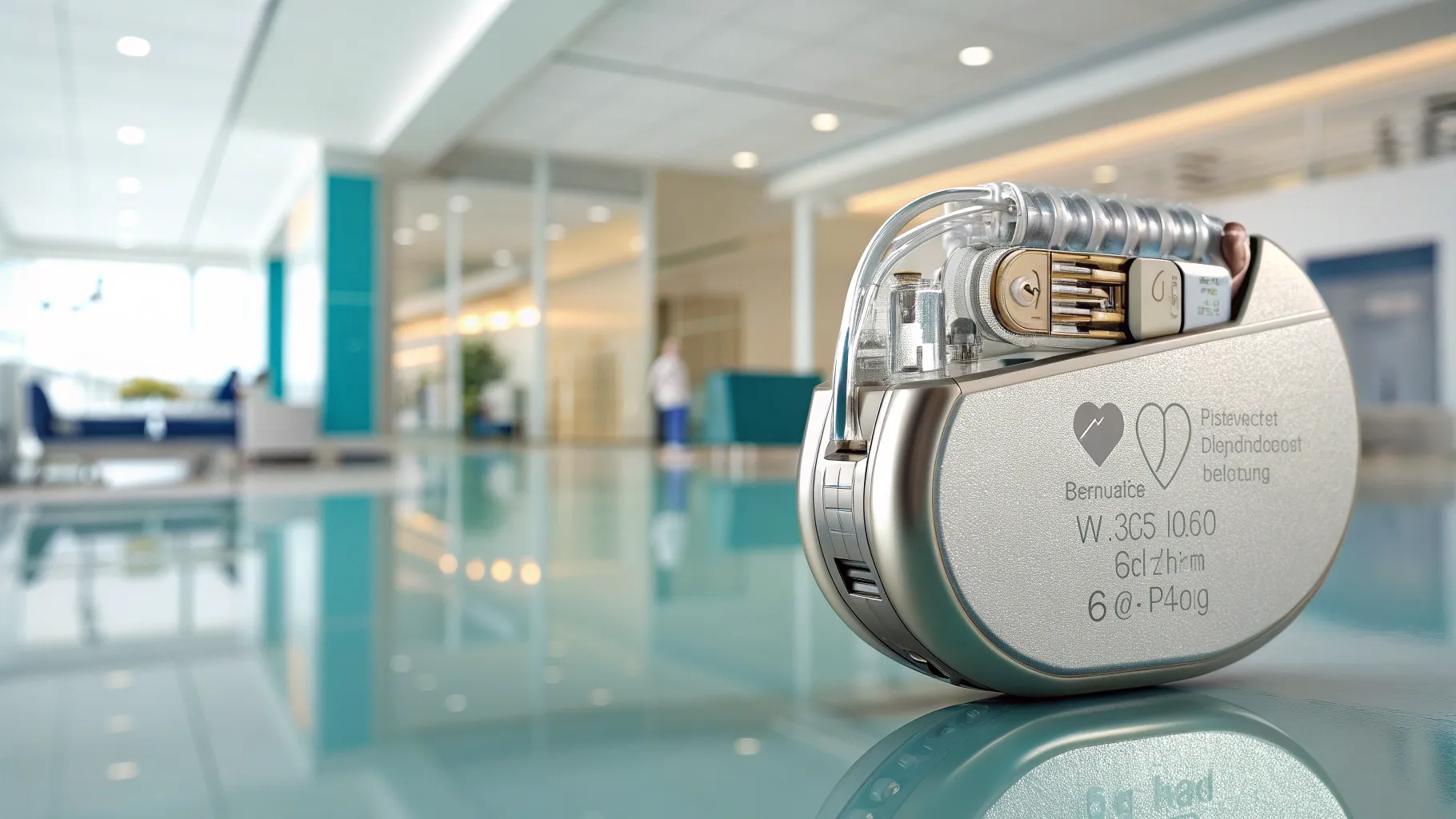
Understanding the different types of pacemakers is crucial for seniors considering this procedure. The most common variations include single-chamber and dual-chamber pacemakers. A single-chamber pacemaker uses a lead that can either sense or stimulate the heart from a single area, usually the ventricle or the atrium. This is often enough for many patients with straightforward heart rhythm issues.
Conversely, the dual-chamber pacemaker incorporates two leads that manage rhythms more effectively by monitoring both the atrium and the ventricle. This technology promotes better coordination between the two chambers, potentially leading to improved cardiac function for seniors with more complex needs. Furthermore, advanced solutions such as the biventricular pacemaker are specifically designed for patients with heart failure. This type of pacemaker helps synchronize the contractions of the heart's two lower chambers, which is particularly advantageous for those grappling with both arrhythmias and heart failure, resulting in significant improvements in exercise capacity and overall health.
Implantation Procedure Explained
For seniors contemplating pacemaker surgery, an understanding of the implantation procedure can alleviate anxiety. This procedure typically takes place in a hospital and takes roughly one to two hours to complete. Many doctors opt for local anesthesia with sedation, which allows patients to stay alert yet calm during the process.
- Preparation: Before the surgery, healthcare providers conduct comprehensive evaluations, including echocardiograms and blood tests, designed to assess the patient's overall heart health and readiness for the procedure.
- Procedure: The actual operation begins with an incision in the left pectoral region. Leads are delicately threaded through a vein and positioned inside the heart. Once secured, the pacemaker itself is placed under the skin.
- Post-surgery: After implantation, patients remain in the hospital for a day or two for observation, ensuring that everything is functioning correctly.
Cost of Pacemaker with or Without Insurance
Financial considerations are paramount for many seniors when contemplating pacemaker surgery. The average cost of a pacemaker procedure, including the device and hospital charges, typically falls between $30,000 to $50,000. Costs can vary significantly based on the type of device utilized and the specific healthcare facility. For seniors carrying insurance, the out-of-pocket expenses drop considerably, often ranging from $3,000 to $7,000 after coverage. However, individuals without insurance can face substantial financial burdens, underscoring the crucial importance of having solid health insurance plans when considering cardiac interventions.
Recovery After Pacemaker Surgery
Recovery from pacemaker placement is generally positive for older adults, with many experiencing manageable recovery timelines. Most surgeries necessitate a 24 to 48-hour hospital stay, followed by a gradual recovery at home. During this time, it is vital for patients to adhere to some important post-operative guidelines:
- Follow medical advice on activity restrictions to optimize healing.
- Keep follow-up appointments to ensure the pacemaker is functioning properly and monitor heart activity.
- Avoid heavy lifting and rigorous physical activity for at least a month to protect the surgical site.
While most seniors return to their daily routines swiftly, embracing ongoing cardiac rehabilitation and making lifestyle adjustments can greatly enhance heart health outcomes.
Risks and Complications Associated with Pacemaker Surgery
Every surgical procedure carries potential risks, and pacemaker surgery is no exception. Some of the complications seniors should be aware of include:
- Infection: Similar to any surgical process, there's a risk of postoperative infections at the site of the incision.
- Lead dislodgement: If the leads become dislodged during recovery, this can disrupt the proper functioning of the pacemaker.
- Pneumothorax: Although rare, a collapsed lung may occur if a needle inadvertently punctures it during the procedure.
- Bleeding or bruising: Bruising or bleeding at the incision site is common, but it usually resolves without further intervention.
Modern pacemakers typically enjoy a lifespan of 5 to 15 years, contingent upon their use, therefore it is crucial for seniors to keep track of the device’s battery life during follow-up visits to ensure timely replacements.
Finding the Best Cardiology Clinics
Deciding to undergo pacemaker surgery requires thorough research, particularly when it comes to choosing a cardiology clinic. Seek out top-rated facilities that focus on cardiac electrophysiology and have demonstrated successful outcomes in pacemaker surgeries. Many of the leading clinics employ experienced healthcare professionals who utilize state-of-the-art technology to perform these procedures safely and efficiently. Investigating patient reviews and success stories can be enlightening and significantly assist in making an informed decision.
It's also noteworthy that many cardiology centers now offer virtual consultations, which can be a valuable way for seniors to review options before scheduling in-person meetings. This convenience allows patients to engage with leading cardiologists and explore treatment plans comfortably from home, minimizing travel stress and enhancing accessibility to care.
The increasing availability of advanced surgical methods and sophisticated cardiology services in 2025 gives considerable hope to seniors dealing with heart rhythm issues. By planning effectively and making informed choices, older adults can maintain their heart health and enjoy a fulfilling, active lifestyle.
Authored by FreshLifeWire team