Guide to Leaf Collector Tools and Their Uses
Understanding Leaf Collector Tools and Their Uses
Autumn is an enchanting season filled with vibrant fall colors, but it also brings a common chore: leaf collection. Homeowners are often faced with yards covered in a beautiful yet messy blanket of leaves. Leaf collector tools are essential for managing this seasonal task efficiently. Let’s delve into how these tools work, their advantages, the various types available, and the essential maintenance tips for keeping them in top shape.
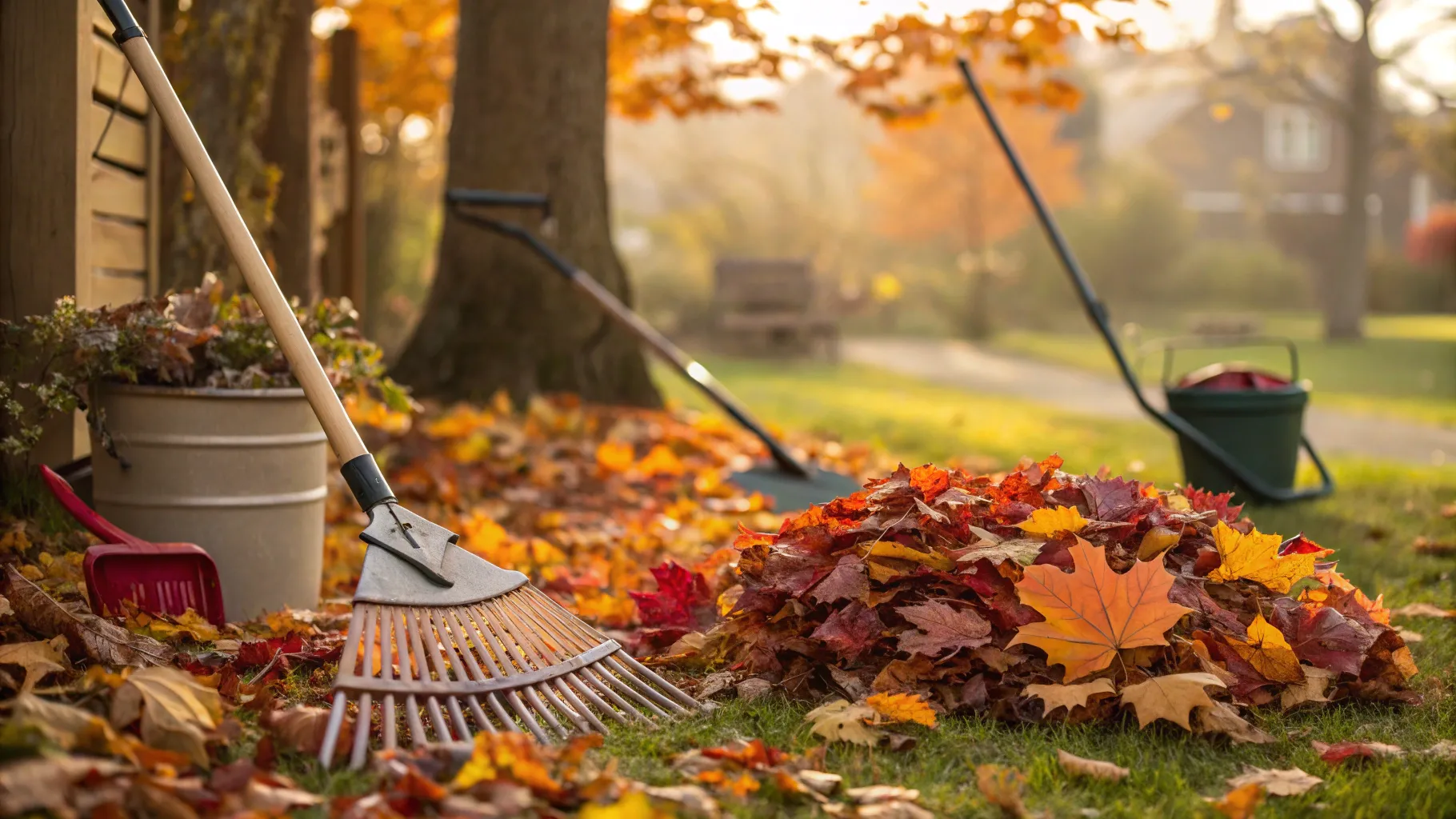
Types of Leaf Collection Tools Comparison
Leaf collector tools come in various forms, each designed to handle the demands of leaf collection differently. Understanding the types of tools available can help homeowners choose the right one for their needs.
- Leaf Rakes: A classic choice, rakes are simple but effective. They are lightweight, require no power source, and offer excellent control. Raking is also beneficial for the soil, as it aerates while gathering leaves.
- Leaf Blowers: These tools have gained popularity due to their speed. Electric or gas-powered, leaf blowers push leaves into piles with powerful gusts. They are particularly useful for larger yards but may be louder and require maintenance.
- Leaf Vacuums: A step up from blowers, leaf vacuums suck up leaves and shred them for easy disposal. They can be gas-powered or electric and often have bagging systems to collect debris. Recent models have higher suction power and are designed to handle wet leaves, making them ideal for varied conditions.
- Mulching Mowers: This option not only collects leaves but also shreds them, turning them into organic mulch that enriches the garden. Many homeowners utilize mulch to return nutrients to their lawns and gardens.
- Tractors and Riding Lawnmowers: For those with significant property, using a riding mower outfitted with a collection bag or a tractor with a dedicated leaf collection attachment can save time and energy.
Each tool comes with its own set of benefits and should be chosen based on yard size, leaf volume, and personal preference. For example, a large yard might benefit from a leaf blower and vacuum combo while a smaller yard may do just fine with a good old rake.
Benefits of Using Leaf Collector Tools
Using leaf collector tools specifically designed for this purpose can enhance efficiency and effectiveness in leaf management. The advantages are numerous:
- Time-Saving: Leaf collector tools drastically cut down on the time required to clean up fallen leaves. What used to take hours can now be done in minutes, giving homeowners more time to enjoy their outdoor space.
- Healthier Lawn: Regularly removing leaves helps prevent mold and mildew growth, which can damage grass and plant life. Some leaves can harbor pests, and decomposing organic matter can choke out healthy grass.
- Environmental Benefits: Many leaf collectors, like mulching mowers and vacuums, assist in creating compost or mulch, contributing to more sustainable gardening practices.
- Physical Activity: While these tools save effort, raking or blowing leaves also provides a good workout, combining the benefits of maintaining your yard with physical health.
According to a survey conducted in early 2025, over 70% of homeowners reported positive outcomes from using the proper leaf management tools, noting that their lawns looked healthier and cleanup was less of a burden.
Leaf Collection Techniques for Homeowners
Adopting efficient techniques enhances the effectiveness of any leaf collector. Here are a few strategies:
- Timing is Key: Regularly check your yard. Leaf collection is easiest when leaves are dry. Wet leaves tend to get matted down and are more challenging to collect.
- Use a Combination of Tools: Don’t rely on a single tool. A combination of rakes to clear smaller areas and blowers or vacuums for larger sections can maximize efficiency.
- Work with the Wind: If using a blower, utilize the wind direction to help push leaves towards your pile. This can reduce your workload significantly.
- Create Piles Strategically: Pile leaves in a place that is easy to access for disposal or composting. This minimizes the distance you need to carry the leaves once collected.
- Reusable Bags: Invest in reusable bags or biodegradable options for collecting leaves. They are eco-friendly and save money in the long run.
Leaf Vacuum vs Blower vs Rake Explained
Each leaf collection tool works differently, and understanding these differences can help you make the best choice. Leaf blowers are fantastic for speed, while leaf vacuums excel at collection and shredding. Rakes, although labor-intensive, provide good control and are cost-effective. It often boils down to yard size and personal preference.
Maintenance and Safety Tips for Leaf Collection Tools
To ensure your leaf collecting tools last and operate efficiently, regular maintenance is a must. Here are some tips:
- Clean Regularly: After each use, clean your rake, blower, or vacuum to prevent dirt and debris buildup, which can wear tools down.
- Store Properly: Keep tools in a dry, secure place away from weather elements that can rust or damage them.
- Check Parts Monthly: For powered tools, check the cords, batteries, and blades monthly, replacing parts as necessary to keep everything running smoothly.
- Wear Safety Gear: Always wear gloves and eye protection, especially when using blowers and vacuums, to protect against flying debris.
Utilizing leaf collector tools effectively can transform the arduous task of leaf collection into a manageable chore. By understanding the tools at your disposal, their benefits, and best practices for maintenance, homeowners ensure their yards remain pristine through the seasons.
Authored by FreshLifeWire team