Essential Guide to Dog Adoption for Seniors
Dog Adoption for Seniors Pros and Cons
Adopting a dog is a life-changing decision, especially for seniors who may be looking for companionship or a furry friend to share their golden years with. However, just like any significant commitment, there are pros and cons that one must consider to ensure that both the senior and the dog benefit from the arrangement.
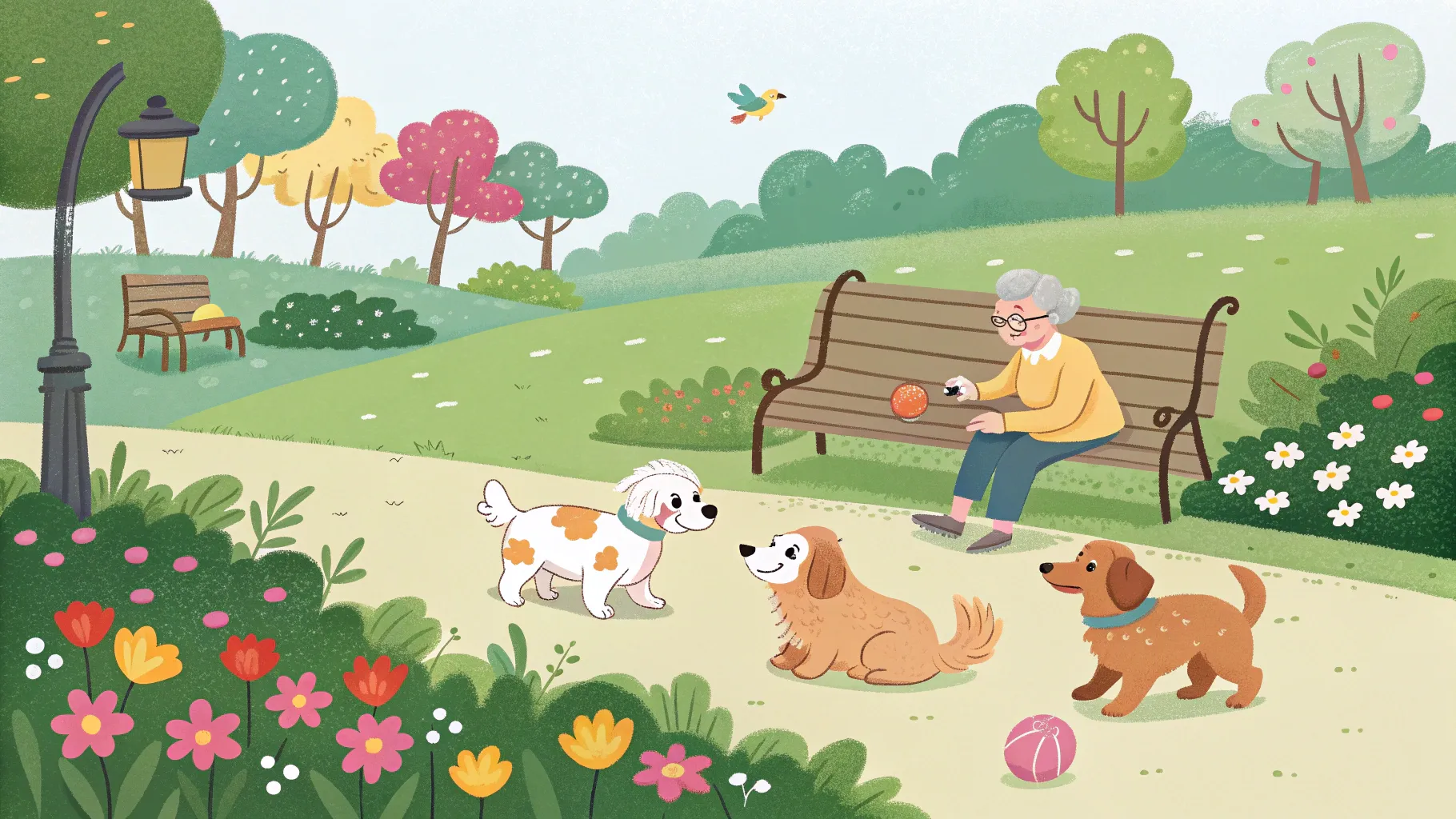
- Pros:
- Companionship: A dog can provide crucial emotional support and companionship, significantly reducing feelings of loneliness.
- Physical Activity: Having a dog encourages seniors to engage in regular walks and playtime, fostering a healthier lifestyle.
- Routine and Structure: Caring for a dog can create a daily routine, adding structure to a senior's day.
- Unconditional Love: Dogs are known for their loyalty and can bring immense joy and comfort to their owners.
- Cons:
- Physical Demands: Dogs require care, including walks and playtime, which can be challenging for seniors with mobility issues.
- Financial Responsibility: Owning a dog comes with costs like food, vet visits, and grooming. This can strain a fixed income.
- Time Commitment: Dogs need attention and care, which might not be feasible for seniors with other commitments.
- Potential Health Risks: Some seniors may have allergies or health issues that can be exacerbated by pet ownership.
How to Choose a Dog for Seniors
Choosing the right dog is crucial for seniors considering adoption. It is essential to match a potential pet's needs with the owner’s lifestyle and abilities. Here are some tips to guide you:
- Evaluate Activity Level: Opt for dogs that have lower energy levels, as they require less exercise. Breeds like Bulldogs or Cavalier King Charles Spaniels can be ideal.
- Size Matters: Smaller dogs can be easier to manage and require less space, making them suitable for seniors. Breeds such as Pugs or Shih Tzus are friendly and adaptable.
- Temperament: Look for dogs with gentle and calm dispositions. Many rescue organizations provide behavioral evaluations that can guide you to suitable dogs.
- Age of the Dog: Consider adopting an older dog. They are typically more settled and require less training and activity than puppies.
Best Dog Breeds for Seniors
While every dog is unique and personalities can vary, certain breeds are generally considered better suited for seniors:
- Pug: These small, friendly dogs are affectionate and enjoy lounging, making them great companions.
- Cavalier King Charles Spaniel: Known for their gentle nature, these dogs are affectionate and love being close to their owners.
- Shih Tzu: With their playful yet calm demeanor, Shih Tzus make for wonderful companions, requiring minimal exercise.
- Bichon Frise: This breed is friendly and enjoys being pampered. They are also hypoallergenic, making them great for seniors with allergies.
- Beagle: They are friendly, easy-going, and great family dogs that love companionship without being overly demanding.
Are Small Dogs Good for Seniors?
Absolutely! Small dogs generally tend to fit well into the lives of seniors as they are easier to handle. They often require less physical space and can provide warmth and companionship without demanding excessive exercise. Many small dog breeds are also less intimidating to handle, making it easier for seniors to engage and establish bonds. Additionally, smaller breeds often have longer lifespans, further appealing to seniors looking for longer companionship.
How to Adopt a Dog as a Senior
Adopting a dog can sometimes feel overwhelming, especially for first-time adopters. Here are steps seniors can take to simplify the process:
- Research Rescues and Shelters: Identify local shelters or breed-specific rescues that focus on finding homes for dogs. Many offer resources tailored for seniors.
- Understand Adoption Procedures: Each organization may have different requirements. Familiarize yourself with the adoption process and fees.
- Meet Potential Dogs: Visit the shelter and meet with potential pets. Many places allow you to take a dog for a trial walk to see if it's a good fit.
- Ask Questions: Don’t hesitate to inquire about a dog’s health, temperament, and history. Shelter staff can provide insights and help match you with the best fit.
What to Consider When Seniors Adopt Dogs
Seniors should prioritize a few critical considerations when adopting a dog. Assess lifestyle, daily routine, and health conditions. Understanding what a day looks like will help guide your choice of breed and age. Further, consider the financial aspect of dog ownership. The average cost of caring for a dog can be upwards of $1,000 a year, including food, veterinary care, and grooming. Make sure to review your budget.
Social support is also paramount. It's beneficial to have a network of family or friends to assist with dog care, especially in emergencies. Additionally, always evaluate your home environment; ensure it’s suitable for a pet, considering safety and mobility.
Safe Dog Options for Seniors
For seniors seeking a stress-free pet-parenting experience, consider wire or electric fencing options to ease safety concerns in your yard. Pet-proofing the home by securing electrical cords and ensuring that sharp objects are out of reach will help create a secure environment for your new companion. Training programs specifically designed for seniors are also available, providing guidance on how to manage and train a new dog safely.
Every senior considering dog adoption should conduct thorough research before making a decision. Each dog brings a unique set of needs and personality traits, and understanding those is crucial to maintaining a happy and healthy relationship. Take your time, enjoy the process, and remember that the bond created between a senior and their furry friend can bring immense joy and fulfillment.
Authored by FreshLifeWire team