Essential Guide to Choosing the Right Power Bank
Buyer’s Guide to Portable Power Banks
In our ever-connected world, staying charged on the go is essential. With smartphones, tablets, and wearable tech being integral to our daily lives, having a reliable power bank can make all the difference. If you’re considering investing in a portable power bank, there are a few key factors to keep in mind. This guide aims to help you understand what to know before buying a power bank, what capacity to choose, charging speeds, safety features, pricing trends, and more.
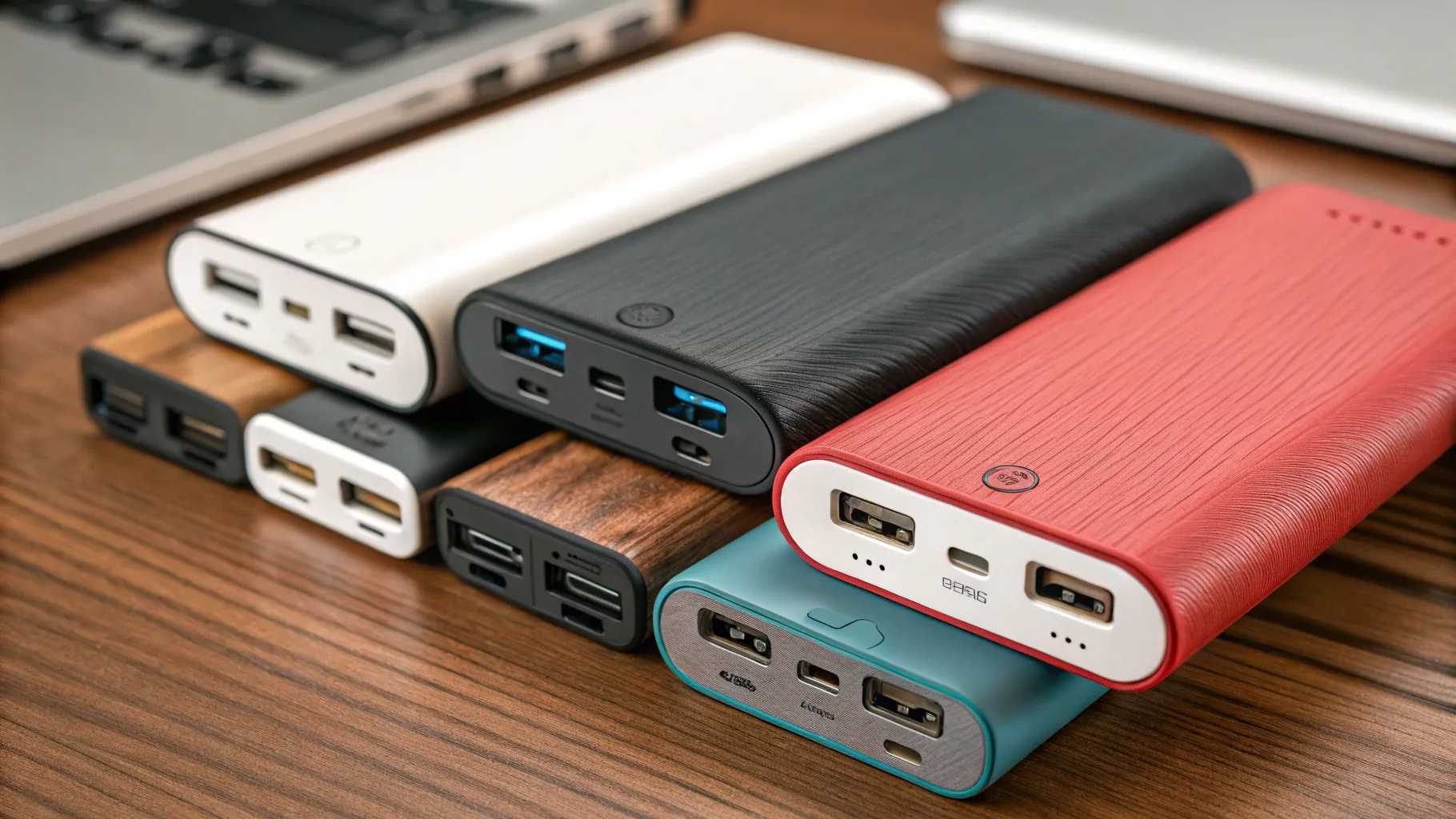
What to Know Before Buying a Power Bank
Before you leap into buying just any power bank, it’s vital to understand your own needs. Consider the following:
- Device Compatibility: Ensure the power bank supports the devices you intend to charge. Most portable chargers work with phones, but check compatibility for other devices like tablets or Bluetooth gadgets.
- Portability: The size and weight of power banks vary. If you’re often on the move, look for compact models that are lightweight yet powerful enough to charge your devices.
- Charging Ports: Consider how many devices you’ll need to charge simultaneously. Many power banks come with multiple USB-A and USB-C ports, allowing you to charge multiple devices at once.
In a recent report, 68% of users prioritized portability when selecting a power bank, emphasizing the importance of convenience in design.
Which Power Bank Capacity Should I Choose?
Capacity is one of the most important aspects of a power bank, typically expressed in milliamp-hours (mAh). Here’s a quick guideline:
- 5,000 to 10,000 mAh: Ideal for casual users who need to charge their smartphones once or twice. These are highly portable and easy to carry around.
- 10,000 to 20,000 mAh: This range is perfect for those who use their devices frequently throughout the day. It can charge most smartphones multiple times without needing a recharge itself.
- 20,000 mAh and above: These high-capacity power banks are excellent for heavy users or those who travel frequently. They can charge multiple devices and often serve as backup power sources for laptops as well.
In fact, a recent survey indicated that 65% of heavy device users prefer power banks with at least 20,000 mAh capacity due to their versatility.
How Fast Does a Power Bank Charge?
Charging speed can vary significantly between different models. Most power banks today utilize fast charging technologies like Quick Charge or Power Delivery. Here are a few things to keep in mind:
- Output Amp Rating: Power banks typically have an output of 1A, 2.1A, or even higher. Higher amp ratings usually translate to faster charging speeds.
- Fast Charging Standards: Look for power banks that support standards like Qualcomm Quick Charge 3.0 or USB Power Delivery for maximum speed.
- Input vs. Output: Make sure to check both the input and output specifications. Fast input charging means the power bank itself charges quicker, so you can be on your way sooner.
Statistics show that power banks with Quick Charge technology can charge devices up to 75% faster than standard chargers, making this feature a valuable asset.
Which Safety Features Matter?
Safety is crucial when it comes to portable power banks. Features that you should look out for include:
- Overcharge Protection: Prevents the power bank from overcharging your devices.
- Temperature Control: Monitors heat levels to prevent overheating during use.
- Short Circuit Protection: Automatically cuts off power to prevent short circuits, safeguarding both the power bank and connected devices.
A robust safety design is something 80% of users consider vital, particularly when using their power banks with devices on a daily basis.
What is the Usual Price of Power Banks?
The price of power banks can vary greatly based on brand, capacity, and features. On average:
- Basic models (5,000 to 10,000 mAh): Generally range from $15 to $30.
- Mid-range models (10,000 to 20,000 mAh): Usually priced between $30 and $60.
- High-capacity models (20,000 mAh and up): These can cost anywhere from $60 to $100 or more, especially models with additional features like multiple ports or built-in cables.
Interestingly, consumer data shows that nearly 45% of buyers prefer to purchase high-capacity power banks despite the higher upfront cost, valuing longevity and versatility over initial savings.
Are Power Banks Cheaper on Black Friday?
When shopping for tech products, timing can greatly influence pricing. Black Friday, known for its deep discounts, often sees substantial price drops for power banks:
- Many brands offer promotions and bundles that can reduce prices by 20% to 50% compared to regular retail prices.
- It’s an excellent opportunity to invest in high-capacity or feature-rich models that might otherwise stretch your budget.
- Data from last year indicated that sales of power banks spiked by 60% during the holiday sales week, confirming the trend of consumers capitalizing on these discounts.
So, if you’re looking for a power bank, keep an eye out for Black Friday deals! Investing in a portable power bank can be a game changer for maintaining connectivity and convenience in your busy life. With the right knowledge and a bit of timing, you'll make a choice that keeps your devices powered and your day uninterrupted.
Authored by FreshLifeWire team