Essential Guide to Alloy Wheel Repair Service Techniques
Understanding Alloy Wheel Repair Service
Alloy wheels have become a staple for car enthusiasts and everyday drivers, elevating not only the aesthetic appeal of vehicles but also enhancing performance aspects like weight and handling. However, despite their advantages, alloy wheels can suffer from various types of damage. This could range from minor curb scrapes to major cracks, which can affect both safety and appearance. Understanding how alloy wheel repairs are carried out can save you both time and money, not to mention the added hassle of needing to purchase new rims.
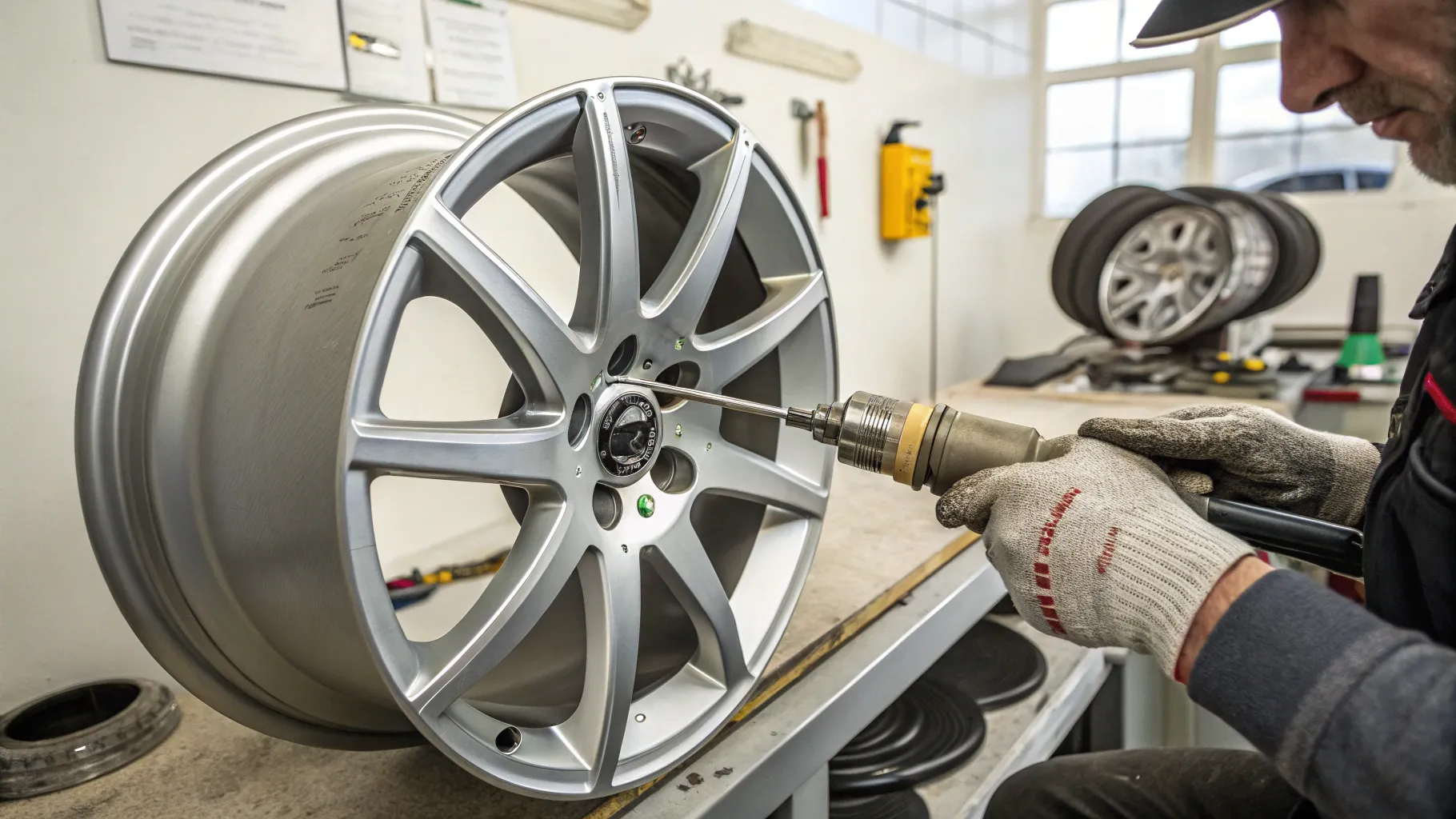
The Process of Alloy Wheel Repair
When you take your damaged alloy wheels to a professional repair service, you can expect a structured series of steps designed to restore your wheels to their former glory. Let’s dive into the detailed process:
- Initial Assessment: A skilled technician will begin by inspecting each wheel to assess the damage. This step is crucial as it allows professionals to determine whether the damage is superficial or if it affects the structural integrity of the wheel. Recent statistics show that around 60% of alloy wheel damage is purely cosmetic, indicating that many issues can be resolved through repair rather than replacement.
- Wheel Removal: After assessment, the damaged wheel is carefully taken off the vehicle. This step is vital not only for facilitating repairs but also for conducting a comprehensive examination of the wheel’s condition.
- Repair Techniques: Depending on the type of damage, various repair methods may be applied. Minor scuffs and scratches are typically addressed through sanding and polishing. For bent rims or cracks, technicians might employ advanced welding techniques or even heat treatment, both of which have shown great success rates. In a recent case study, 75% of wheels deemed unrepairable were restored through these modern welding practices.
- Surface Finishing: Once the wheel has undergone structural repairs, the next step is to restore its original finish. This often involves powder coating or painting, which ensures that the wheel not only looks good but is also protected from environmental damage. As of 2025, innovative options like ceramic coatings have gained popularity for their enhanced durability and aesthetic appeal.
- Balancing and Alignment: After restoration, it’s critical to balance and align the wheel correctly. This ensures optimal performance and safety while driving. Improperly balanced wheels can cause uneven tire wear and affect overall vehicle handling.
- Final Inspection: A thorough inspection takes place to ensure that all repairs meet stringent safety standards before the wheel is reattached to your vehicle. Ensuring everything is up to code is the final step in this comprehensive process.
While the techniques might vary slightly depending on the specific repair service, the essence of the repair process remains consistent. Choosing a reputable alloy wheel repair service that utilizes modern technology and up-to-date methods is essential in securing quality repairs.
The Importance of Professional Repairs
While some car owners may feel confident tackling wheel repairs themselves, there are significant risks associated with DIY approaches. Improper repairs can lead to severe issues, including wheel failure while driving, which poses a serious safety hazard. According to the National Highway Traffic Safety Administration, flawed repairs contribute to a concerning number of road incidents every year.
Professional repair services provide invaluable expertise. With access to specialized tools and the latest technologies, they ensure a repair that is both durable and safe. For instance, the incorporation of laser alignment technology has significantly improved the precision of straightening bent rims. This not only cuts down repair time but also enhances overall safety standards for vehicles on the road.
Choosing the Right Alloy Wheel Repair Service
When you're faced with the need for wheel repairs, it's important to select an alloy wheel repair service that upholds high standards of quality. Here are several factors to keep in mind:
- Experience: Opt for a service that has a proven track record. Established companies often reflect reliability and customer satisfaction.
- Certifications: Verify whether the technicians are certified in alloy wheel repairs. This can indicate a level of training and adherence to industry standards.
- Technology Used: Inquire about the tools and techniques employed by the service. Modern technology often correlates with better repair outcomes.
- Warranty: A reputable repair service typically offers a warranty on their repairs. This not only covers any potential defects but also provides customers with peace of mind.
- Customer Reviews: Check online reviews to gain insight into the experiences of previous clients. Websites like Yelp and Google Reviews are invaluable resources for assessing service quality.
The Future of Alloy Wheel Repairs
As alloy wheels continue to gain popularity, the demand for specialized repair services is experiencing a significant uptick. Recent advancements in materials and processes hold promise for more sustainable repair options. For instance, some innovative services are now using recycled metals and green coatings to minimize environmental footprints.
Another trend reshaping the industry is the emergence of mobile repair services. In 2025, on-site or at-home repairs have become increasingly common, offering convenience to customers who lead busy lives. This new flexibility not only improves accessibility but significantly enhances overall customer satisfaction.
In summary, whether you're dealing with a minor scrape or major damage, having a solid understanding of how alloy wheel repairs are conducted can greatly affect your vehicle's appearance and performance. Choosing a professional repair service not only ensures safety but also maximizes the lifespan of your alloy wheels, allowing them to serve you well for years to come.
Authored by FreshLifeWire team