Essential Flight Attendant Career Guide and Salary Insights
Flight Attendant Career Guide
Are you considering a career that allows you to travel the world while providing excellent customer service? Becoming a flight attendant might be the perfect path for you, especially in 2025 as the aviation industry continues to thrive post-pandemic. With a surge in airline hiring, now is an excellent time to explore this exciting profession.
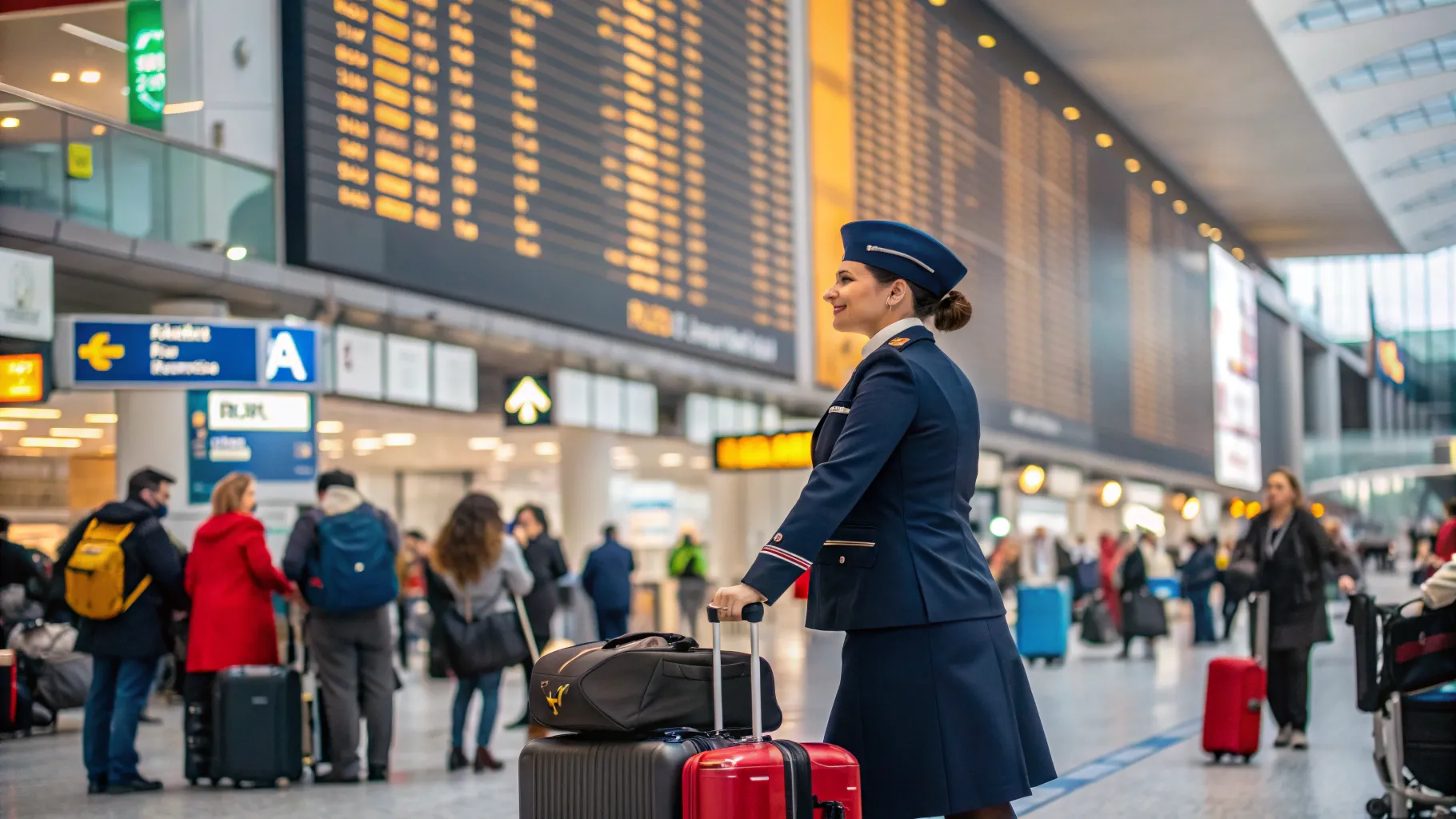
This comprehensive flight attendant career guide dives into the essentials: how to become a flight attendant, potential salary expectations, training details, and the best airlines to consider for your career.
Flight Attendant Salary in 2025
As the aviation sector makes a robust comeback, the salary for flight attendants has seen significant growth. In 2025, the average annual salary for flight attendants has climbed to about $70,000. Entry-level positions typically start around $50,000, but this can vary widely depending on various factors such as location, specific airline, and level of experience. For instance, attendants with major carriers like Delta Air Lines and American Airlines can expect salaries nearing $80,000, especially as they gain seniority.
Beyond base salaries, flight attendants enjoy an appealing benefits package, which often includes health insurance and retirement plans. A remarkable aspect of this career is the travel perks that accompany the job, allowing flight attendants to fly for free or at discounted rates. These advantages not only enhance compensation but also add to the allure of the role, making it attractive for many aspiring professionals.
How to Become a Flight Attendant
If you have your sights set on becoming a flight attendant, there are specific steps you need to follow. Firstly, candidates typically have to meet the minimum requirements: being at least 21 years old, holding a high school diploma or GED, and possessing some degree of customer service experience. Proficiency in a second language can significantly boost your chances, especially with global airlines.
Once you meet these basic criteria, the application process generally begins online. Most airlines have digital platforms where you can submit your resume and cover letter. If your application stands out, you may be invited to participate in interviews. These assessments can often include both group activities and one-on-one interviews, assessing both your interpersonal skills and how you work in a team setting.
Once hired, you will undergo a rigorous training program lasting between three to eight weeks. This training encompasses a wide array of topics, focusing on everything from safety protocols to customer service excellence. Expect to engage in practical simulations of emergency scenarios, allowing you to build confidence and prepare for any challenges that may arise during flights.
Flight Attendant Training Programs
- Safety Training: Flight attendants are trained extensively in emergency protocols, first aid, and the effective use of safety equipment. Understanding how to respond in various scenarios is crucial for passenger safety and wellbeing.
- Customer Service: A vital aspect of flight attendant duties is providing exceptional service. Enhanced training focuses on addressing passenger needs, resolving conflicts, and ensuring a pleasant experience on board.
- Company Policies: Each airline has its own operational protocols, which flight attendants must understand thoroughly to maintain brand consistency and provide quality service according to the airline's values.
- In-Flight Procedures: Training also includes practical skill-building for serving meals, distributing drinks, and effectively communicating with the pilot and cabin crew during flights.
Best Airlines for Flight Attendant Jobs
The choice of airline can greatly affect your job satisfaction and career trajectory as a flight attendant. Several airlines are known for their favorable working conditions and strong employee benefits, thus making them top choices for prospective cabin crew members.
- Delta Air Lines: Renowned for offering competitive salaries and comprehensive benefits, Delta consistently ranks high in employee satisfaction surveys.
- Singapore Airlines: This airline is largely recognized for its outstanding customer service culture, presenting considerable opportunities for career advancement.
- Southwest Airlines: Known for its vibrant work culture, Southwest Airlines promotes a work-life balance that many flight attendants seek.
- JetBlue Airways: JetBlue places a significant emphasis on employee happiness and is highly regarded for its customer service approach, making it an attractive option for many.
Flight Attendant Requirements
To qualify for a flight attendant position, applicants must meet the following standard requirements:
- Minimum Age: Airlines typically require candidates to be at least 21 years old.
- Education: A high school diploma is mandatory, whereas having a college degree can enhance your profile.
- Experience: Prior experience in roles involving customer service can significantly strengthen your application.
- Physical Fitness: Flight attendants must be in good health and fit to cope with the physical demands of the role, which includes lifting luggage and managing emergency situations.
- Background Check: A clean background check is essential in this industry since safety is a top priority.
Flight Attendant Career Opportunities
Once you step into the world of flight attendants, you'll find a myriad of career opportunities awaiting you. Many attendants begin their careers in entry-level roles but can progress to lead flight attendant positions, overseeing safety protocols and service quality on flights. The experience gained in these roles often paves the way for transitions into other airline operations positions, such as training or recruitment, basking in the chance to mentor and guide the next generation of flight attendants.
Furthermore, some flight attendants explore related avenues, such as becoming private jet attendants. This switch offers different experiences, often accompanied by higher pay and unique client interactions that diverge from standard airline service.
The aviation industry's resurgence after recent global challenges has led to a substantial increase in hiring across airlines, with reports indicating a 30% rise in recruitment efforts over the past year. This explosive growth has opened up numerous avenues for those passionate about embarking on a fulfilling career in the skies.
Authored by FreshLifeWire team