Essential Fertility Vitamins for Women Over 35
Fertility Vitamins for Women Over 35
As life progresses, many women find themselves at a crossroads, often choosing to start families later than previous generations. This shift has brought about an increased emphasis on safeguarding fertility health as women age, particularly for those over 35. It’s essential to acknowledge that a woman’s reproductive health undergoes notable changes after this age, which makes understanding and fostering fertility health more critical than ever. One effective approach to enhance fertility health is through the use of fertility vitamins tailored for women in this age group.
Understanding the Impact of Age on Fertility
Statistically speaking, the biological clock is indeed a significant concern for women. Research indicates that fertility rates decline sharply after age 35, dropping by approximately 15% compared to women in their twenties. This decline isn’t simply a numbers game; it encompasses physiological changes, including a decrease in both the quality and the quantity of a woman’s eggs as she ages. This is where the importance of fertility vitamins becomes apparent.
Vitamins play a crucial role in supporting reproductive health. They are instrumental in maintaining hormonal balance, enhancing egg quality, and bolstering overall reproductive function. Specific vitamins—especially B12, Vitamin D, and folic acid—are proven allies in the journey towards conception. Given that up to 40% of women experience Vitamin D deficiency, this vitamin’s role in fertility cannot be overstated.
- B Vitamins - Key players in energy metabolism, these vitamins are essential for the reproductive process. Recent studies show that women with higher levels of B vitamins tend to have a greater likelihood of achieving pregnancy.
- Vitamin D - Vital for optimal ovarian function, maintaining adequate levels of Vitamin D is particularly important for women over 35. A deficiency can lead to various fertility issues, making supplementation a consideration for many.
- Folic Acid - Known for its importance in prenatal health, folic acid also aids in reducing the risk of neural tube defects, making it an essential component of any fertility plan.
- Antioxidants such as Vitamin E and Vitamin C - These powerful nutrients protect both sperm and egg cells from oxidative stress, a condition that can become more pronounced with age and affect fertility negatively.
The Role of Supplementation
While it’s possible to obtain these vital nutrients through a balanced diet, many women find it challenging to consume the necessary vitamins rapidly through food alone. Factors such as busy lifestyles and dietary restrictions can impact nutrient intake, leading women to consider dedicated supplements formulated specifically for fertility support. Brands such as Garden of Life and Thorne have developed products that include a variety of beneficial ingredients like folic acid, Omega-3 fatty acids, Vitamin D, and CoQ10, tailored to the needs of women looking to conceive.
A noteworthy supplement, CoQ10, has gained traction for its perceived benefits in boosting egg quality. A compelling study published within the last six months highlighted that women who supplemented with CoQ10 reported improvements in both egg quality and quantity, which is particularly encouraging for those over the age of 40. This advancement fosters hope and presents new avenues for women striving to enhance their fertility prospects.
Holistic Factors Influencing Fertility
It’s vital to recognize that vitamins and supplements are not standalone solutions; they should complement a comprehensive approach to fertility health. Numerous lifestyle factors play a significant role in enhancing fertility including stress management, weight maintenance, exercise, and sleep patterns. According to the American Society for Reproductive Medicine, engaging in moderate physical activity can drastically improve both fertility and overall reproductive health.
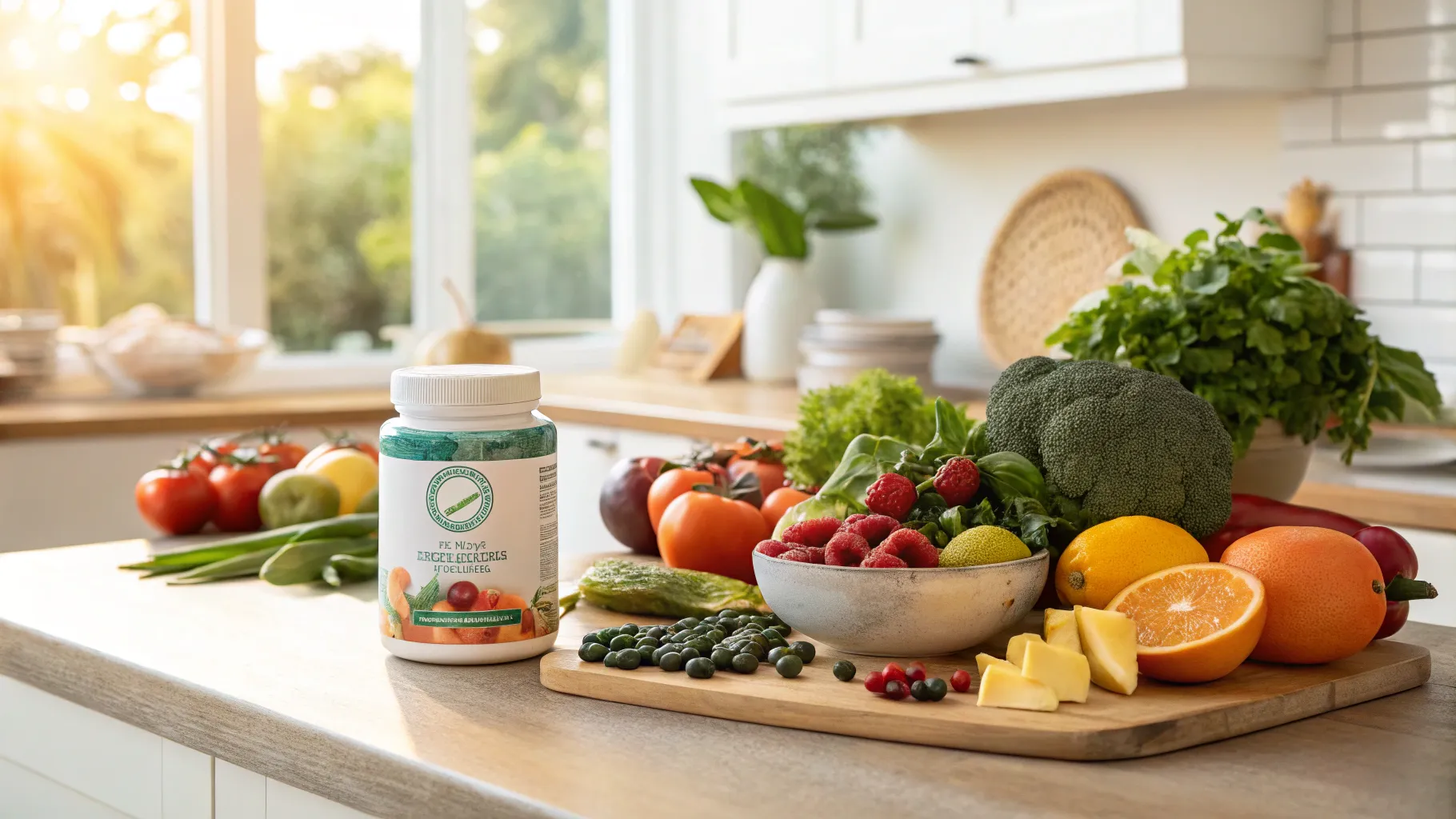
Nutritional choices also carry great weight. A well-rounded diet rich in whole foods—such as vibrant fruits and vegetables, lean proteins, and whole grains—serves to bolster reproductive health. A recent analysis confirmed that women who incorporate high-antioxidant foods into their diets frequently experience improved fertility outcomes. Imagine the benefits of enjoying colorful smoothies packed with berries and leafy greens, not just for your general health but for fertility as well!
Empowering Your Fertility Journey
For women over 35, the pursuit of fertility is about much more than vitamins; it’s about taking empowered steps toward family planning, informed by understanding, and driven by conscious choices. Knowledge about one’s health becomes a powerful tool, allowing women to examine their nutritional needs, consider appropriate supplementation, and adapt healthier lifestyle practices.
The conversation surrounding fertility health continues to adapt, and as 2025 unfolds, new research will help deepen our understanding of this complex topic. Women should remain proactive—seeking information, consulting healthcare providers, and approaching fertility with a balanced mindset that values both physical health and emotional well-being.
While navigating the path to conception may seem daunting, equipping oneself with the right knowledge and support systems can foster a more positive experience. Fertility vitamins form a critical aspect of this arsenal, potentially enhancing not only chances of conception but also overall reproductive wellness. Whether it's understanding which vitamins your body craves or establishing a supportive community, every thoughtful step you take is a step forward on your journey toward a healthy pregnancy.
Authored by FreshLifeWire team