Essential Eye Exams Frequency After 40 for Healthy Vision
Understanding Vision Exams after 40
As we embrace our 40s, a significant milestone in life, it brings changes not only in our lives but also in how our bodies function. Among these changes, our vision often undergoes noticeable transformations that warrant attention. The aging process affects our eyesight in various ways, which is why regular vision exams become increasingly important. In this article, we will delve into how often individuals over 40 should schedule eye exams, the reasons behind their necessity, and the common alterations you may experience in your vision as time progresses.
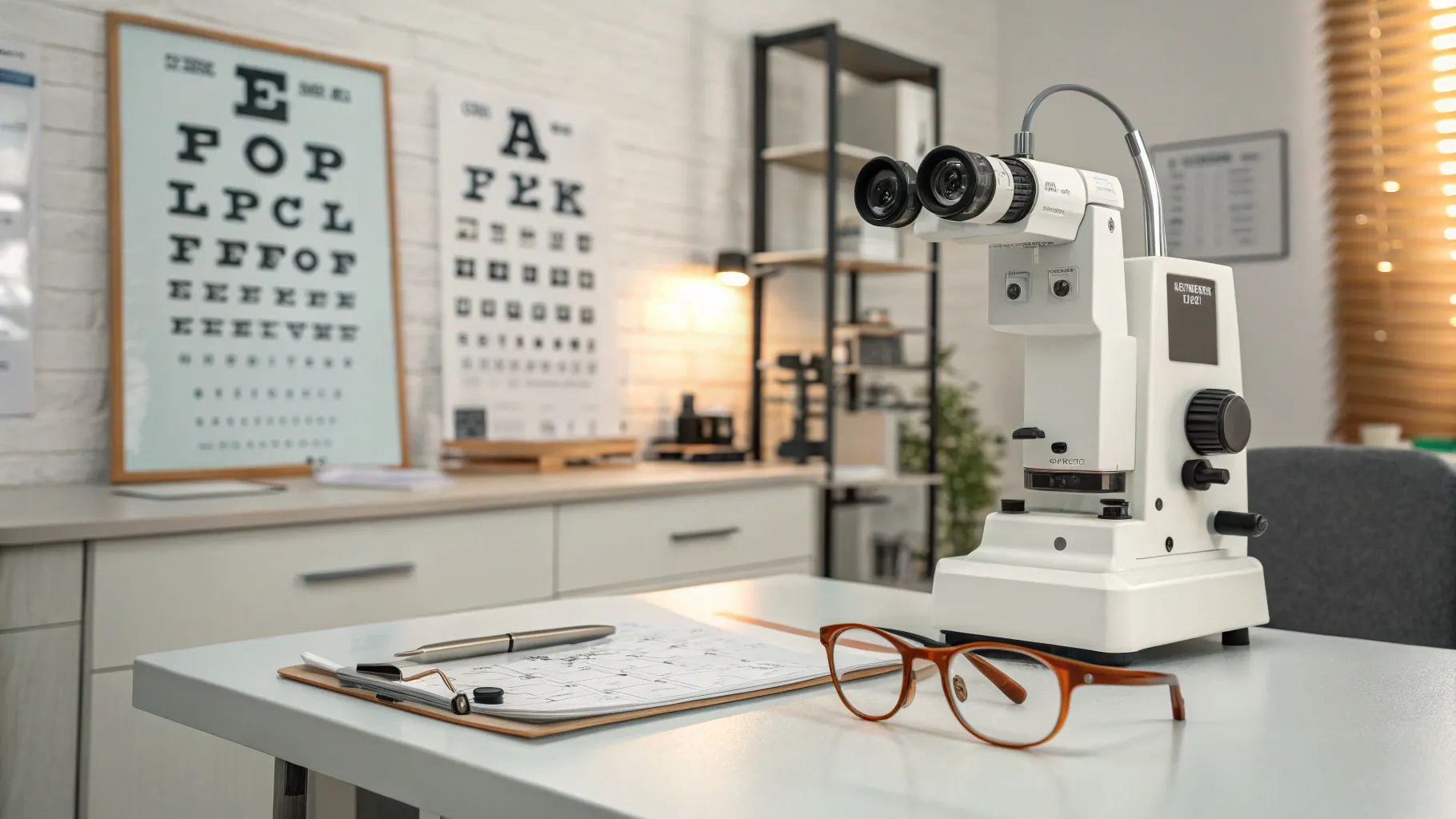
How Often Should You Get Your Eyes Checked After 40
For adults aged 40 and above, the American Academy of Ophthalmology recommends comprehensive eye exams every two years. However, this frequency is not a one-size-fits-all approach. If you have pre-existing health conditions such as diabetes, hypertension, or a familial tendency toward eye diseases, it is wise to consider annual eye exams instead. These check-ups are crucial for both updating prescriptions and detecting potential eye diseases early on.
By the time you reach 40, you may find yourself dealing with presbyopia, a common condition characterized by an age-related decline in the ability to focus on close objects. This often leads to the need for reading glasses. Moreover, age-related eye conditions like cataracts, macular degeneration, and glaucoma become more prevalent as you get older. For example, studies have indicated that approximately 50% of individuals may experience some form of lens opacification by their 60s—a common precursor to cataracts. Regular eye exams can help to catch such issues in their infancy, significantly enhancing the prospects for successful treatment.
The Importance of Comprehensive Eye Exams
Comprehensive eye exams extend beyond merely checking your prescription. They provide an opportunity for eye care professionals to assess your overall eye health, which can help in identifying problems that may not present noticeable symptoms until later stages.
- Vision Testing: This evaluates how well you see at different distances, helping to determine any disparity in vision quality.
- Dilated Eye Exam: This allows the optometrist to look inside your eyes, examining the retina and optic nerve for signs of disease.
- Eye Pressure Measurement: A measurement that's essential for diagnosing conditions such as glaucoma, which can lead to irreversible vision loss if not caught early.
These components of an eye exam are pivotal in catching potential ocular issues early on, thereby ensuring that you maintain the best possible vision as you age.
What Changes to Expect After 40
As you transition into your 40s, be prepared to notice some changes in your vision. Here are some common occurrences:
- Difficulty Reading Small Print: Many people begin to rely on reading glasses due to presbyopia, which makes it challenging to focus on close tasks.
- Increased Sensitivity to Light: Bright lights, especially at night, can become more uncomfortable, affecting your overall visual comfort.
- Changes in Color Perception: Aging can cause the lens of your eye to yellow, which may lead to colors appearing less vivid than before.
- Dry Eyes: With decreased tear production, many individuals find themselves suffering from dry eyes leading to irritation and discomfort.
While these changes can be normal, they should be monitored through regular vision exams to ensure they do not indicate more serious underlying conditions.
Statistics and Real-World Examples
Recent studies highlight that approximately 43% of adults over age 40 in the U.S. wear corrective lenses, reflecting the significant prevalence of vision impairment in this age group. Additionally, projections from the National Eye Institute suggest that by 2050, the number of individuals in the U.S. with vision impairment could nearly double to around 8 million, primarily due to our aging population.
Take, for instance, a relevant case reported in a health journal: a 45-year-old woman who had not undergone an eye exam in over a decade discovered during a routine check that she had developing cataracts. Her vision seemed adequate at that point, but her eye care professional emphasized the importance of timely intervention to prevent further deterioration. This case underscores the critical role regular eye exams play in preserving vision and enhancing overall well-being.
How to Prepare for Your Eye Exam
Being proactive about your eye health involves preparation before your exams. Here are some effective tips:
- Know Your Family History: Be ready to discuss any family history of eye diseases with your eye care provider, as this can influence your eye health strategy.
- List Your Medications: Include all prescription drugs, over-the-counter medications, and supplements, as some can affect your vision.
- Prepare for Tests: Depending on your personal history and age, your eye doctor may recommend certain tests that require special focus or preparation.
Taking these proactive measures can lead to a more comprehensive and beneficial eye exam experience.
Maintaining Eye Health Beyond 40
Beyond regular eye exams, several habits can help you maintain healthy vision as you age:
- Eat a Healthy Diet: Incorporate foods rich in omega-3 fatty acids, leafy greens, and antioxidant-rich fruits, all of which are vital for eye health.
- Stay Hydrated: Drinking sufficient water helps maintain moisture levels in your eyes, which is crucial for comfort.
- Limit Screen Time: If your work involves long hours in front of a computer, remember to take regular breaks to reduce digital eye strain.
- Wear Sunglasses: Protect your eyes from harmful UV rays whenever you're outdoors to prevent long-term damage.
Implementing these healthy practices can safeguard against common age-related vision issues, ensuring your eyesight remains sharp well into the later years of life.
Authored by FreshLifeWire team