Essential Diet Tips for Diabetes to Manage Blood Sugar
Diet Tips For Diabetes to Manage Blood Sugar Effectively
Living with diabetes can be a daily challenge, but one of the most powerful tools for managing your condition is your diet. With the right food choices, you can maintain stable blood sugar levels and overall health. Here are some essential diet tips for diabetes that will guide you towards healthier eating habits.
Best Foods for Diabetes: Your Guide to Healthy Eating
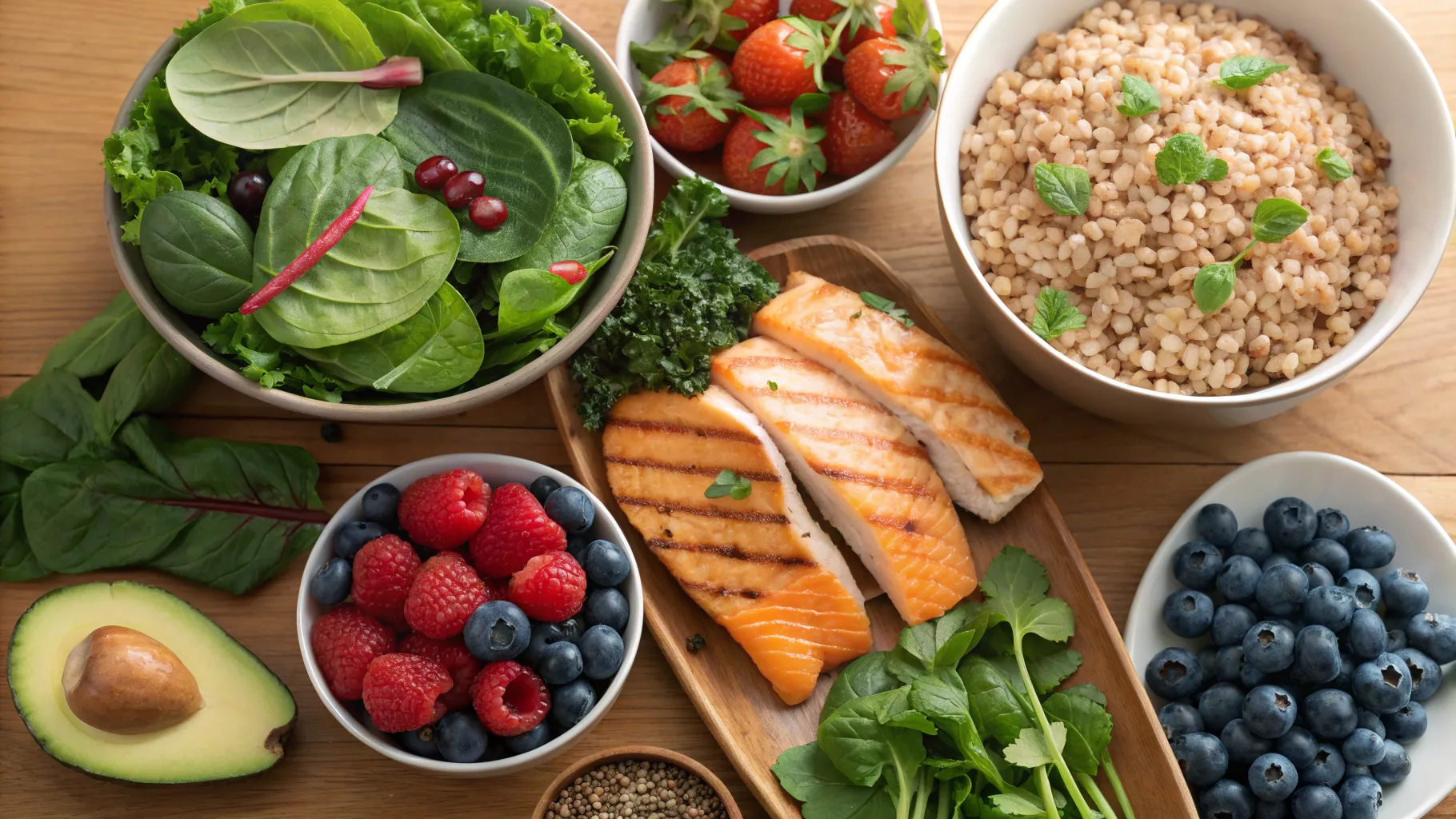
Understanding which foods to include in your diet is crucial for managing diabetes effectively. Aim for a balanced diet that emphasizes whole, nutrient-dense foods. Here are some of the best foods for diabetes:
- Leafy Greens: Spinach, kale, and Swiss chard are rich in vitamins and minerals and low in carbohydrates, making them an excellent addition to any diabetes-friendly meal.
- Whole Grains: Foods like quinoa, brown rice, and oatmeal provide fiber, which helps regulate blood sugar levels while keeping you full longer.
- Healthy Fats: Incorporate sources of healthy fats like avocados, nuts, and olive oil. These can aid in improving heart health and help manage diabetes.
- Lean Proteins: Chicken, fish, tofu, and legumes are great sources of protein that can keep your blood sugar stable while promoting satiety.
- Berries: Strawberries, blueberries, and raspberries offer antioxidants and are lower in sugar than many other fruits, which is beneficial for blood sugar management.
Diabetes Meal Planning: Strategies for Success
Effective diabetes meal planning involves preparing your meals around healthy, balanced foods. Here are some strategies to help you:
- Portion Control: Pay attention to portion sizes. Use smaller plates and bowls to avoid overeating, especially with higher carbohydrate foods.
- Meal Prep: Spend some time each week to prepare meals in advance. This makes it easier to stick to your diet and avoid unhealthy food choices when you're in a hurry.
- Carb Counting: Monitor your carbohydrate intake carefully. Keeping track of carbs allows you to manage your blood sugar levels more effectively.
- Regular Meal Times: Eat your meals at consistent times each day. Regularity helps maintain steady blood sugar levels.
- Snacks on Hand: Keep healthy snacks like nuts or cut vegetables easily accessible to avoid the temptation of high-sugar snacks.
Managing Blood Sugar with Diet: How to Make it Work
Success in managing blood sugar with diet requires consistent effort. Here are practical tips:
- Balance Your Plate: Each meal should include a good balance of proteins, fats, and carbohydrates. This helps slow down digestion and improves blood sugar control.
- Choose Low-Glycemic Foods: Foods with a low glycemic index (GI) increase blood sugar slowly and steadily. Examples include legumes, whole grains, and most fruits and vegetables.
- Hydration is Key: Staying hydrated can also affect blood sugar levels. Aim to drink plenty of water throughout the day. Avoid sugary drinks and high-calorie beverages.
- Mindful Eating: Practice being present during meals. This means eating slowly, savoring your food, and listening to your hunger cues. Mindful eating can prevent overeating.
Real-World Example: A recent study revealed that individuals with diabetes who followed a structured meal planning approach reported better blood sugar control and overall health. Many participants noted improved energy levels and weight management over six months.
Diabetes-Friendly Recipes to Try
Cooking at home allows you to take control of your ingredients. Here are a couple of diabetes-friendly recipes to inspire your meal planning:
Quinoa Salad with Avocado
- Ingredients: 1 cup cooked quinoa, 1 avocado (diced), 1 cup cherry tomatoes (halved), 1/4 cup red onion (chopped), fresh lemon juice, salt, and pepper.
- Instructions: Combine all ingredients in a bowl. Drizzle with lemon juice, season with salt and pepper, and toss lightly. Serve chilled.
Baked Salmon with Green Veggies
- Ingredients: 2 salmon fillets, 1 cup broccoli, 1 cup asparagus, olive oil, salt, and pepper.
- Instructions: Preheat the oven to 375°F. Place salmon and veggies on a baking sheet, drizzle with olive oil, season, and bake for 15-20 minutes until the salmon flakes easily.
Both of these recipes are not only delicious but are also designed with diabetes management in mind, offering a balance of nutrients without spiking blood sugar levels.
Foods to Avoid with Diabetes
Knowing what to steer clear of is just as important as knowing what to eat. Here are some foods to avoid:
- Sugary Beverages: Sodas, fruit juices, and energy drinks are high in sugar and can dramatically raise blood sugar levels.
- White Bread and Pasta: Refined carbohydrates can lead to spikes in blood sugar; opt for whole grain alternatives.
- Full-Fat Dairy: High-fat dairy products can contribute to insulin resistance. Choose low-fat or fat-free options instead.
- Processed Foods: Many snacks and pre-packaged meals contain hidden sugars and unhealthy fats. Always check labels for added sugars.
- Sweets and Desserts: Cakes, cookies, and candies should be consumed very sparingly to avoid sudden blood sugar increases.
In 2025, becoming educated about your food choices has never been easier. With technology at our fingertips, resources like nutrition apps and online communities provide ongoing support. By implementing thoughtful changes to your dietary habits, you can maintain better control over diabetes. Remember, taking small, sustainable steps can lead to lasting results.
Authored by FreshLifeWire team