Essential Caregiver Positions in 2025 Society
The Evolving Landscape of Caregiver Positions
The Rising Importance of Caregivers in Today's Society
In the year 2025, caregiving has emerged as an integral part of our societal framework globally. This sector's prominence is largely fueled by an aging population that commands greater, more personalized care. According to the latest data from the U.S. Census Bureau, older adults aged 65 and above now constitute over 21% of the U.S. population. This demographic shift is mirrored in countries like Japan and Italy, prompting a universal pivot towards enhancing caregiver infrastructure.
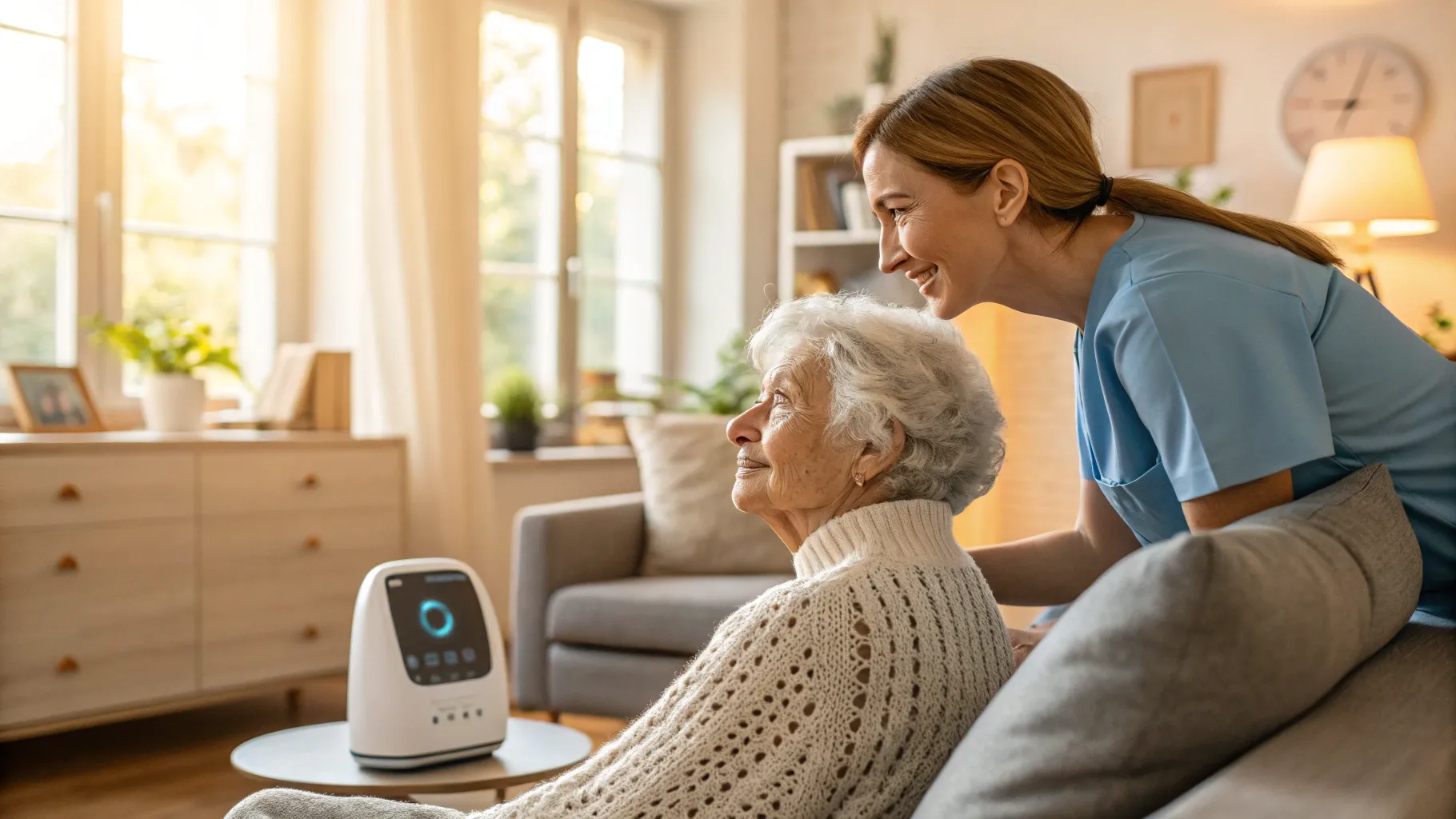
With the public's growing preference for home-based healthcare, personalized care models are gaining momentum. As families choose personal over institutional setups, it is reshaping how caregiving services are tailored and delivered, making professional caregivers more quintessential than ever.
Diverse Roles Enriching the Caregiver Sector
2025's caregiving landscape is characterized by roles that cater to both the medical and emotional needs of the elderly. These positions are not monolithic; each is designed to offer unique forms of support that align with the patient's specific needs and preferences. Let's look at some key roles:
- Home Health Aides (HHA): Home health aides are pivotal for individuals needing regular medical attention at home. They engage actively in managing patient needs, from medication to bathing assistance, thereby assuring a dignified and stable lifestyle for their clients.
- Personal Care Aides (PCA): Focusing on the overall well-being of patients, PCAs act as companions who provide non-medical care, enhancing the patient's sense of independence while offering emotional support.
- Certified Nursing Assistants (CNA): Operating within healthcare facilities, CNAs are indispensable for clinical operations, performing tasks ranging from vital signs monitoring to assisting professional healthcare workers in boosting workflow efficiency.
- Specialized Caregivers: Specialized caregivers are trained professionals adept at managing patients with specific conditions like Alzheimer's. Their expertise significantly elevates the quality of care by focusing on tailored requirements.
These roles vary in responsibilities but converge on a mutual goal — delivering compassionate and efficient care that matches each individual’s lifestyle and health conditions.
Challenges and Innovations in the Caregiving Field
Despite its growth, the caregiving sector faces persistent challenges in 2025. Caregivers often endure physically taxing hours, posing risks of burnout. Recognizing this, it's crucial for caregiving operations to integrate balanced schedules with ample rest periods, emotional support avenues, and professional development opportunities to nurture caregiver resilience.
Another pressing issue is workforce scarcity. The demand for caregivers exceeds supply, creating a bottleneck that impacts service delivery. Organizations are reconciling this challenge through innovative solutions such as streamlined training programs and offering competitive benefits packages to guarantee a steady influx of skilled professionals.
Opportunities for Growth and Technological Integration
Interestingly, these challenges also present avenues for evolution and growth within the field. Increasing opportunities for education and skill enhancement make it plausible for caregivers to ascend into specialized roles, which offset workforce shortages and pave paths for career progression.
Technological breakthroughs are revolutionizing caregiving. From AI-driven monitoring systems to wearable tech that prompts timely alerts, innovation empowers caregivers to deliver even better, data-driven solutions with a personal touch. Also, the trend encourages tech-savvy individuals to merge their digital and caregiving skills in impactful ways.
The entrepreneurial spirit thrives as some caregivers venture into starting bespoke home care agencies, driven by their insights and experiences within the field. These innovative businesses add diversity, increase service quality, and satisfy unmet patient needs by spearheading modern, consumer-centric approaches.
In 2025, caregiver roles are more than jobs; they are careers with significant societal contributions. Whether through technological advancements, continued professional development, or entrepreneurial endeavors, caregivers are at the forefront of meaningful change, driving positive impacts that align with today’s shifting demographic landscape.
Authored by FreshLifeWire team