Essential Buyer's Guide to Smart Home Devices 2023
Buyer’s Guide to Smart Home Devices
In today's tech-savvy world, the concept of a smart home is no longer a futuristic dream; it is a reality readily accessible to everyone. Consumers are rapidly adopting smart home devices for their convenience, security, and energy efficiency. If you’re considering upgrading your home to a smart setup, this buyer's guide will walk you through essential factors to consider including compatibility, security, and pricing of popular devices.
Which Smart Home Devices Do I Need?
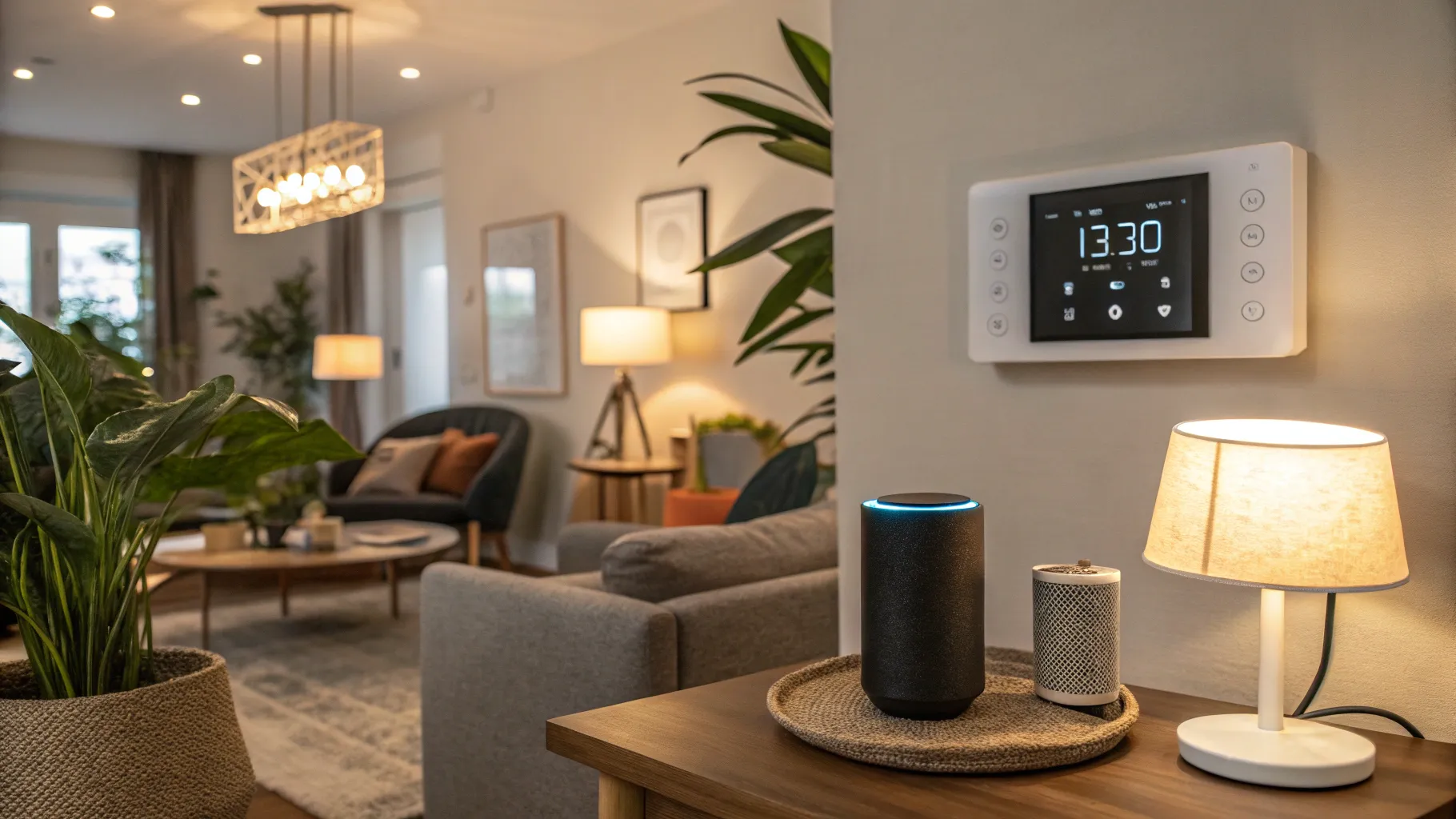
One of the first questions you might ask is, "Which smart home devices do I need?" The answer primarily depends on your lifestyle and needs. Here’s a breakdown of essential devices that can make a noticeable difference in your home:
- Smart Speakers: Devices such as the Amazon Echo or Google Nest can serve as your home’s hub, allowing you to control other smart devices using voice commands.
- Smart Lighting: Smart bulbs, like Philips Hue, can not only help you reduce energy costs but also create ambiance in your home with customizable colors and settings.
- Smart Thermostats: Products like the Nest Thermostat enable you to monitor and adjust your home’s temperature remotely, optimizing energy usage.
- Smart Security Systems: Investing in a smart security system, such as Ring or Arlo, provides real-time alerts and can help you monitor your home from anywhere.
- Smart Plugs: These allow you to control any standard appliance from afar, providing control over everything from lamps to coffee makers.
According to a recent study by Statista, as of 2025, approximately 70% of households have at least one smart device, indicating a significant trend towards adopting multiple devices for enhanced home automation.
Are Smart Devices Compatible?
As you build your smart home, compatibility between devices is crucial. Not all smart devices communicate seamlessly with each other. The two dominant ecosystems are Apple's HomeKit and Google Home. If you choose devices built on the same platform, you can expect them to work together harmoniously.
For instance, devices like smart locks, lights, and speakers are often designed to integrate easily with these ecosystems. However, it's recommended to check for "Works with Alexa," "Works with Google Assistant," or similar tags that indicate compatibility right on the box. Furthermore, platforms like IFTTT (If This Then That) allow for creative automation across devices that may not otherwise be able to communicate.
To ensure a robust smart home setup, consider starting with a device well-supported by multiple third-party apps and services. This can provide more options for integration in the long run.
How Secure Are Smart Devices?
When diving into the world of smart home devices, security is a primary concern for many potential buyers. With increased connectivity and data sharing, the risk of vulnerabilities also rises. Data from the Cybersecurity & Infrastructure Security Agency (CISA) indicates that breaches of smart devices have steadily increased, prompting users to examine their choices carefully.
To enhance your smart home’s security:
- Enable two-factor authentication wherever possible.
- Regularly update your device’s firmware to patch security holes.
- Change default passwords and ensure your Wi-Fi network is secure with WPA3 encryption.
Another significant aspect to keep in mind is the privacy policy surrounding your devices. It’s essential to review how your data is used and stored by manufacturers. Look for brands that prioritize transparency regarding data handling.
Which Features Matter in Smart Home Tech?
As you explore which features matter most in smart home technology, consider these important functionalities:
- Voice Control: Devices that offer voice activation drive hands-free convenience.
- Remote Access: This feature allows you to control devices from your smartphone, bringing comfort and peace of mind.
- Automation: Scheduling and triggers increase the efficiency of your devices and enhance energy savings.
- Energy Monitoring: Smart plugs and thermostats that track energy usage are vital for eco-conscious consumers.
The right combination of these features will depend on the specific devices you choose, so it’s beneficial to prioritize based on your preferences and lifestyle changes.
How Much Do Smart Devices Cost?
Budgeting is an integral part of planning your smart home. Costs can vary widely depending on the device type and brand. Here’s a simplified breakdown of expected costs:
- Smart Speakers: $50 - $300
- Smart Light Bulbs: $10 - $60 each
- Smart Thermostats: $100 - $250
- Smart Security Cameras: $100 - $400
- Smart Plugs: $10 - $30
The overall cost can quickly accumulate, especially if you want various devices. However, keep an eye out for seasonal promotions and discounts, particularly during Black Friday. Last year, many shoppers reported substantial savings, with some devices discounted up to 40%. Therefore, timing your purchases can yield significant savings.
Smart home technology is undeniably revolutionizing how we live, interact, work, and play. Taking into consideration your lifestyle, the compatibility of devices, and security aspects will help you make informed decisions. Get ready to transform your living space into a connected tech haven that prioritizes your comfort and convenience.
Authored by FreshLifeWire team