Essential Buyer's Guide to Air Purifiers in 2025
Buyer’s Guide to Air Purifiers
As we navigate our daily lives in 2025, the importance of clean air is becoming more pronounced than ever. With increasing pollution levels, seasonal allergies, and a heightened awareness of indoor air quality, air purifiers have become a popular addition to homes and offices. But with numerous options in the market, it’s crucial to understand what to look for in an air purifier, which filter types are necessary, and how much they actually cost. This guide breaks it all down for you.
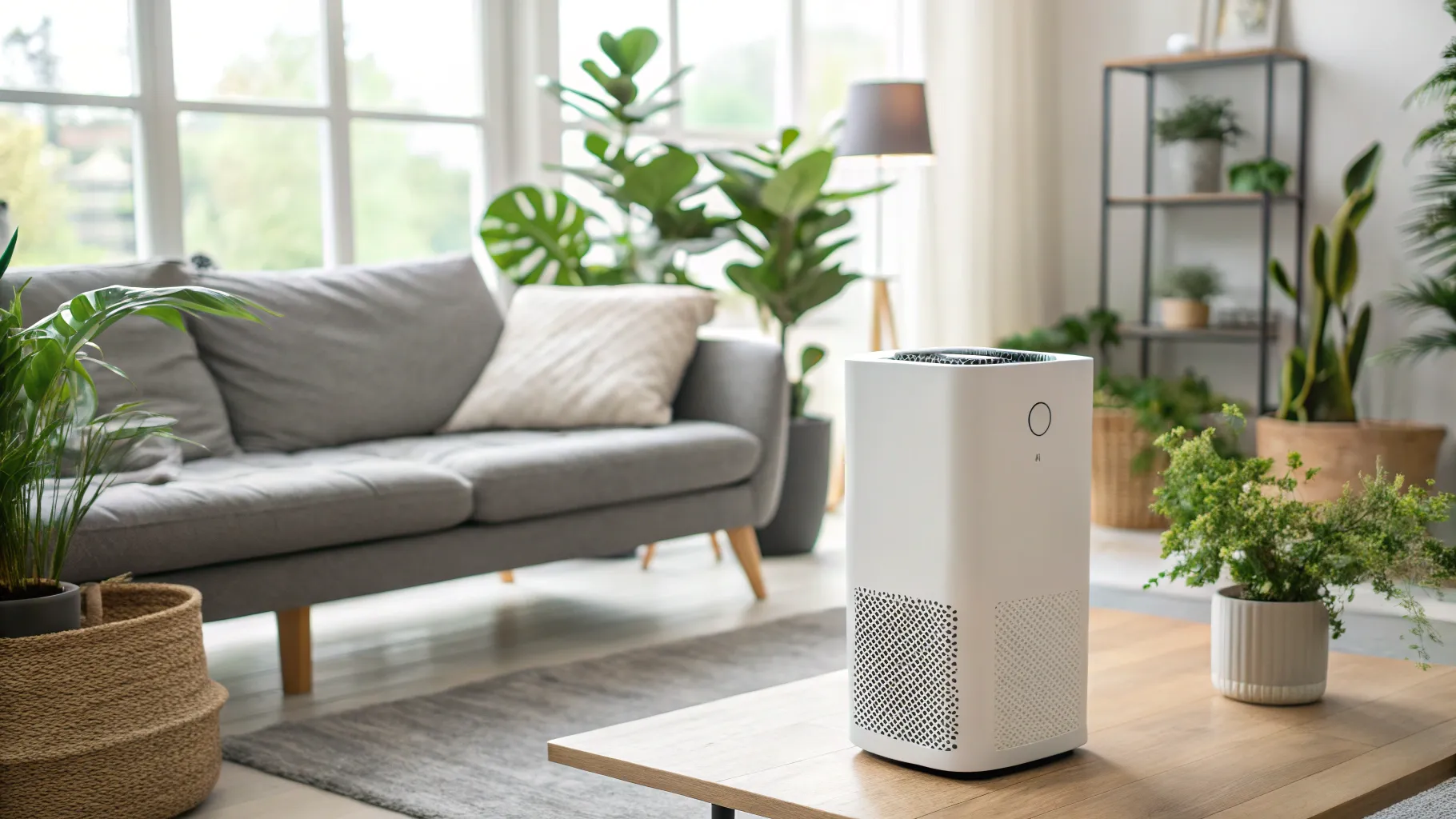
What to Look for in an Air Purifier
When diving into the world of air purifiers, there are several key elements to consider. Here’s what to keep in mind while shopping:
- Filter Type: The efficiency of an air purifier largely depends on its filter. Most air purifiers include HEPA filters that can capture 99.97% of particles as small as 0.3 microns. This is essential for allergens, dust, and pet dander.
- CADR Ratings: The Clean Air Delivery Rate (CADR) reflects how effectively an air purifier can filter airborne pollutants. Look for models with high CADR numbers across different pollutants like smoke, pollen, and dust.
- Noise Levels: If you require a quiet environment, particularly for bedrooms, paying attention to decibel levels is pivotal. Many purifiers operate at around 20-50 decibels on low settings, roughly equivalent to a whisper or library.
- Room Size: Size matters when it comes to air purifiers. Check the manufacturer's recommended room size to ensure efficiency. Typically, this is expressed in square feet or square meters.
- Maintenance: Regular filter replacement is essential, so consider the lifespan of the filters and the cost. Some units come with filter replacement indicators to make maintenance easy.
Which Filter Type Do I Need?
Choosing the right filter type can significantly impact your indoor air quality. Below, we break down common filter options:
- HEPA Filters: As mentioned earlier, HEPA filters are a top choice for capturing particles effectively. They are ideal for those with allergies or asthma.
- Activated Carbon Filters: These filters excel at removing odors and gases, including volatile organic compounds (VOCs) found in household cleaners and paint.
- UV Light Filters: Some air purifiers use UV light to kill bacteria and viruses. However, they are not as effective at filtering particles and are typically used in combination with HEPA filters.
- Pre-Filters: These are often combined with HEPA filters and catch larger particles, extending the life of the HEPA filter.
Considering your primary concerns, whether allergies, odors, or germs, will guide your choice in filter type.
How Loud Are Air Purifiers?
Noise levels in air purifiers vary greatly depending on model and speed settings. In 2025, many brands have focused on reducing sound output. Generally, you can expect:
- Low speed settings range from 20 to 30 decibels, making them whisper-quiet.
- Medium settings level off around 30 to 50 decibels, which can be comfortably low for many users.
- High speed settings can reach up to 70 decibels and may be disruptive in quiet environments.
For bedroom use, consider looking for air purifiers with “sleep mode” features that operate at the lowest noise levels.
Which Purifier Size Fits My Space?
Choosing the right size of air purifier for your space is crucial. A small unit might struggle to clean the air in a larger room, while a larger unit in a small space may be unnecessarily expensive. Here’s a quick guide:
- For rooms up to 300 square feet, a small or compact air purifier will suffice.
- A medium air purifier is suitable for rooms between 300 and 700 square feet.
- For spaces larger than 700 square feet, look for high-capacity models that can handle the volume efficiently.
Measuring your room dimensions can help narrow down the best options for your needs.
How Much Do Air Purifiers Cost?
The price of air purifiers in 2025 can vary significantly based on features, size, and brand. Here’s what to expect:
- Basic models: You can find entry-level purifiers priced between $50 to $100, featuring basic filtration options.
- Mid-range models: These often range from $100 to $300, offering enhanced filtration like HEPA and activated carbon.
- High-end purifiers: Expect to pay $300 and above for advanced features, larger capacities, and smart technology integrations.
It’s essential to consider both upfront costs and the long-term expense of filter replacements when budgeting for an air purifier.
Are Air Purifiers Discounted on Black Friday?
If you're considering purchasing an air purifier, Black Friday has traditionally been one of the best times to shop due to significant discounts. Many reputable brands offer price cuts ranging from 20% to even 50% off, which can make a big difference in your purchase. In the past six months, we’ve seen increased promotions as retailers recognize the growing demand for air quality solutions. Keep an eye on store advertisements and online sales events leading up to Black Friday to snag the best deals.
Ultimately, investing in an air purifier is a proactive step toward safeguarding your health and improving your environment. By understanding what to look for, which features best meet your needs, and timing your purchase for discounts, you can make a well-informed decision that suits your lifestyle and budget.
Authored by FreshLifeWire team