Essential Beginner Toolkit Guide for Home Repair Projects
Essential Home Tools for Every Beginner
In 2025, having the right home toolkit is more important than ever. With many people taking on DIY projects, understanding the essential home tools is crucial for anyone looking to maintain their living space or tackle simple repairs. Whether it's fixing a leaky faucet or hanging pictures, a well-equipped toolkit can make all the difference.
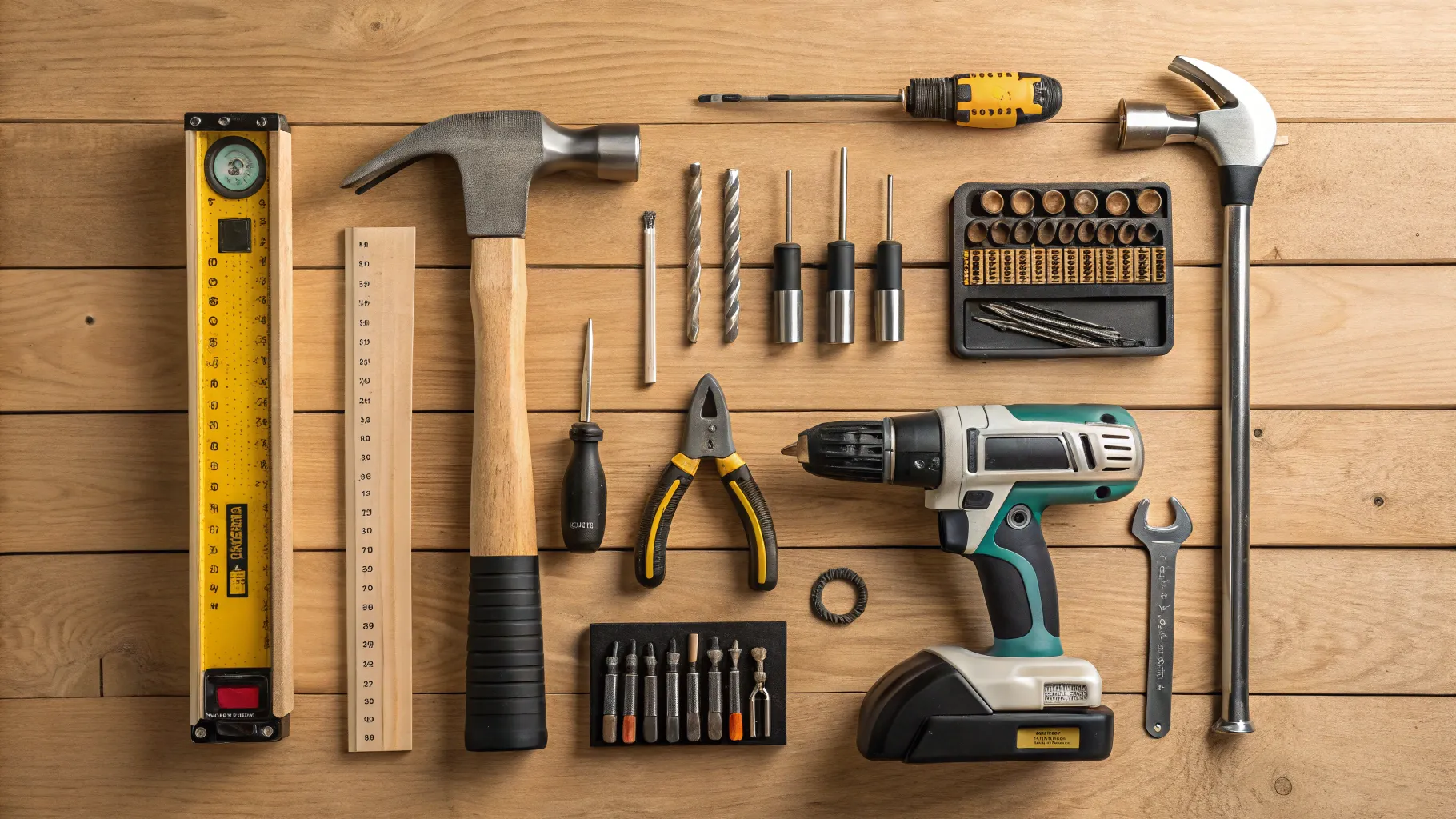
Choosing a Home Toolkit: What to Consider
Choosing the right toolkit can feel overwhelming, especially with the variety available on the market. So how do you know which beginner tool kit is right for you? Here are some tips:
- Identify your needs: Think about what types of projects you’re likely to undertake. Are you interested in furniture assembly, minor repairs, or home improvement tasks? Generally, a toolkit that includes basic hand tools offers great flexibility.
- Quality over quantity: It's easy to get drawn in by large sets with lots of tools, but quality should take precedence. Investing in a few durable tools that will last is better than having a sprawling set of low-quality items.
- Check reviews: With many products on the market, leveraging online reviews and customer feedback is beneficial. It can guide you to the brands that customers trust the most.
- Hand tools vs. power tools: A strong foundation in hand tools is essential before diving into the world of power tools. Start with the basics before investing in more complex machinery.
One beginner toolkit that has gained attention recently is the DEWALT Mechanics Tool Set, ideal for those just starting. With a good mix of hand tools, this set allows anyone to tackle all sorts of tasks from ceiling fan installations to light fixtures.
Hand Tools Set: Basics You Must Have
When it comes to a hand tools set, several items are must-haves for any homeowner or DIY enthusiast. Here’s a shortlist of essential tools that should be included in any beginner toolkit:
- Hammers: A reliable hammer can be used for various applications, from driving nails to demolition work. A 16-ounce claw hammer is perfect for general tasks.
- Screwdrivers: A set of both Phillips and flat-head screwdrivers of various sizes is crucial. Consider a magnetic tip for added convenience.
- Pliers: Good pliers can grasp, twist, and cut wires. Needle-nose pliers add extra versatility for reaching into tight spaces.
- Measuring tape: Precision is key in DIY projects, and a sturdy measuring tape ensures you’re cutting and hanging items correctly.
- Utility knife: This is perfect for general-purpose cutting tasks, from opening boxes to crafting projects.
Having these tools in your arsenal will empower you to handle a multitude of home repair tasks. For example, a simple home project like installing shelves can be completed quickly with just a hammer, screwdrivers, and a measuring tape.
Power Tools Basics: When to Use Them
After mastering your hand tool set, you might consider jumping into power tools basics. They can significantly speed up your projects and save physical effort but come with safety considerations. Below are some common beginner power tools that can be incredibly useful:
- Drill/Driver: A cordless drill is one of the most versatile power tools you can own. It functions both as a drill and a screwdriver, allowing you to make holes and drive screws efficiently.
- Saw: A circular saw or a jigsaw can help with cutting boards, plywood, and other materials needed for larger projects.
- Orbital sander: Perfect for smoothing surfaces, especially when refinishing or painting furniture.
While power tools add convenience, they also increase the learning curve. Start slow, familiarize yourself with their operation, and always prioritize safety.
Household Repair Tools: Must-Have Items for Every Toolkit
Your household repair tools should be tailored toward common repairs you might face. Based on recent findings, here are some specific tools that yield the best results for day-to-day fixes:
- Adjustable wrench: Ideal for plumbing fixes, this tool can handle various sizes of nuts and bolts.
- Stud finder: Always helpful when hanging heavier items on walls, preventing unnecessary damage.
- Level: This ensures that your pictures and shelves are perfectly aligned, creating an aesthetically pleasing finish.
- First aid kit: While not a traditional tool, having a first aid kit on hand is essential for any DIY task—safety first!
These tools can build your confidence as a DIYer, making home repairs and improvements less daunting and more enjoyable.
Final Points on Toolkit Buying Tips
When looking to purchase a toolkit, always consider the specifics of what you will be working on most often. Look for local workshops or classes for beginners, which many community centers offer. They provide hands-on experience and help you become more comfortable using tools.
According to industry reports from early 2025, the DIY home improvement market has continued to explode, with more than 65% of homeowners opting to take matters into their own hands rather than hire professionals for simple tasks. This trend highlights the value of equipping yourself with a solid toolkit and learning household skills. Start with essential items, gradually build your collection, and enjoy every step of the DIY journey.
Remember, the key is to start small, focus on your needs, and build your toolkit as your confidence grows. With the right set of tools, there’s nothing you can’t fix.
Authored by FreshLifeWire team