Essential Aftercare Tips for Areola Reduction Recovery
Essential Aftercare Instructions for Recovery After Areola Reduction Surgery
Areola reduction surgery is a procedure that many individuals are increasingly considering to enhance their aesthetic appearance. In 2025, with this rise in popularity, understanding the critical aspect of post-operative care is essential to achieving optimal recovery results. Areola reduction can significantly boost confidence by allowing individuals to achieve their desired aesthetic, but it requires diligent aftercare during recovery to ensure the best outcome. This article outlines five key aftercare instructions to help you navigate your recovery smoothly and promote healing after areola surgery.
Understanding the Importance of Post-Surgery Care
The path to feeling good about your body starts with meticulous post-operative care. Healing after areola surgery involves both physical recovery and fostering emotional well-being. As you embark on this journey, it’s crucial to follow specific aftercare instructions that can profoundly impact your recovery experience. Here are five essential guidelines:
- 1. Follow Medication Guidelines
One of the first steps in your recovery is adhering to the medication regimen prescribed by your surgeon. In most cases, you will receive pain management medication along with antibiotics to minimize infection risk. Following these guidelines is crucial for your comfort and recovery pace. Pain management not only keeps discomfort at bay, but it also allows you to engage fully in your healing journey. If you find any side effects troubling, or if discomfort persists despite medication, don't hesitate to contact your medical team.
- 2. Prioritize Rest and Limit Physical Activity
Rest is paramount after surgery. Your body requires time to recover, and pushing too hard can prolong recovery or lead to complications. During the initial weeks following areola reduction, avoid strenuous activities and heavy lifting that strain the chest area. Aim to refrain from any high-impact exercises for at least four to six weeks post-surgery. Utilize this downtime to relax and recharge—maybe catch up on your favorite shows or immerse yourself in a captivating book. Listening to your body is key; if you feel fatigued, it’s a natural signal to allow yourself more rest.
- 3. Maintain Proper Hygiene
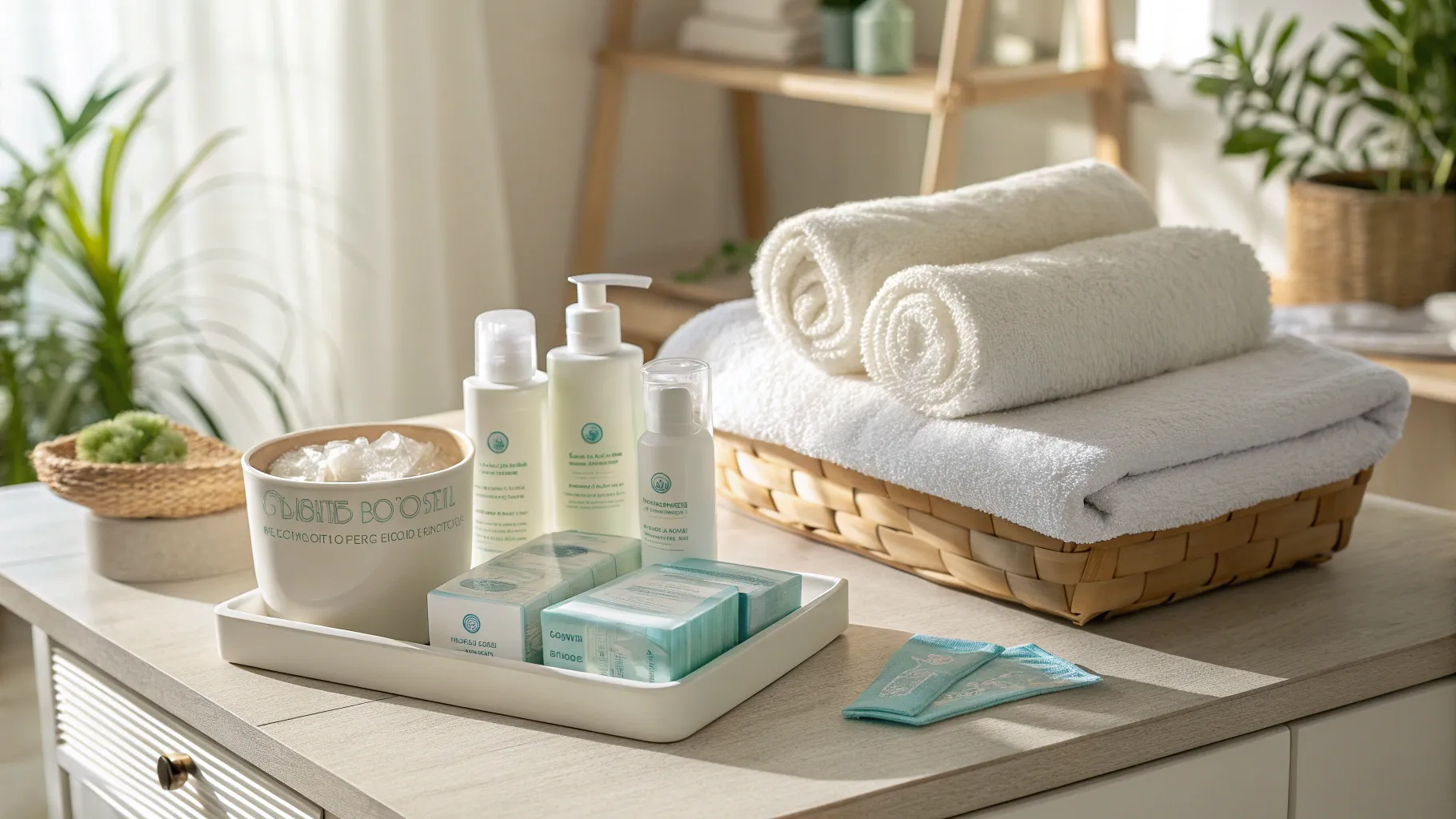
Keeping the surgical area clean is critical to preventing infections. You will need to gently cleanse the site with mild soap and water, making sure not to scrub the area. Moisturizing ointments may be recommended by your surgeon to maintain hydration without irritating the skin. After cleaning, ensure you pat the area dry rather than rubbing it to avoid further irritation. It is also essential to avoid submerging the site in water—this means no baths, swimming pools, or hot tubs for at least the first week after surgery to keep the area dry and minimize bacterial exposure.
- 4. Monitor Changes Vigilantly
Throughout your recovery, it’s important to keep an eye on the surgical site for any signs of complications. While some swelling and tenderness are common, you should be aware of signs that something may be wrong, such as excessive redness, increased pain, fever, or unusual drainage. Most importantly, if you notice anything concerning or abnormal, reach out to your healthcare provider sooner rather than later. Being proactive can help address issues before they escalate, ensuring a smoother healing process. Many patients report feeling more at ease knowing they are actively monitoring their recovery.
- 5. Keep Follow-Up Appointments
Regular follow-up appointments with your surgeon are an integral part of your recovery. These checks allow your healthcare provider to assess your healing and address any queries or concerns you may have. It’s during these visits that you will receive guidance on when to safely resume normal activities, including exercises. Your surgeon will use their expertise to ensure that everything is healing as it should, aiding in the overall quality of your results. Missing these appointments can hinder the monitoring of your recovery, so make it a priority to attend each scheduled visit.
Additional Recovery Tips After Areola Reduction Surgery
In addition to following the five principal aftercare instructions, incorporating supplementary recovery strategies can greatly enhance your healing experience. Staying well-hydrated is fundamental—ensure you are drinking plenty of fluids to support your body’s recovery process. Consider drinking herbal teas or adding a splash of lemon to your water for an extra boost.
Your dietary choices also play a pivotal role. Focus on nourishing your body with a balanced intake of fruits, veggies, and lean proteins. Foods rich in vitamins and minerals will empower your body to heal more efficiently, equipping it with the tools necessary for recovery.
Moreover, remember to address your mental health during this transitional period. It's common to experience a range of emotions post-surgery, from excitement to anxiety. To foster positivity, try engaging in activities that promote relaxation. Consider deep breathing exercises, meditative practices, or gentle yoga, which can help center your thoughts and manage stress levels effectively. Connecting with friends or family members who provide emotional support and understanding will also make a substantial difference.
Keep in mind that everyone’s healing timeline can differ significantly. Therefore, returning to routine activities should be approached with your body’s signals in mind. Recovery should not be rushed; being patient with yourself is vital. Your body knows best, and taking things slow can pave the way for an even better recovery experience.
As we navigate advancements in cosmetic surgery in 2025, understanding the importance of aftercare becomes more significant than ever. By following these essential aftercare steps for areola reduction surgery, you stand a greater chance of achieving the aesthetic results you desire while embracing a newfound sense of confidence.
Authored by FreshLifeWire team