Energy Efficient Portable Heaters Guide for Small Spaces
What Are Energy-Efficient Portable Heaters
Energy-efficient portable heaters have become essential for many homeowners and renters seeking an economical way to keep their living spaces warm. These heaters utilize advanced technology to generate warmth while minimizing energy consumption. Unlike traditional heaters that draw significant power, energy-efficient units are designed to provide effective heating without breaking the bank.
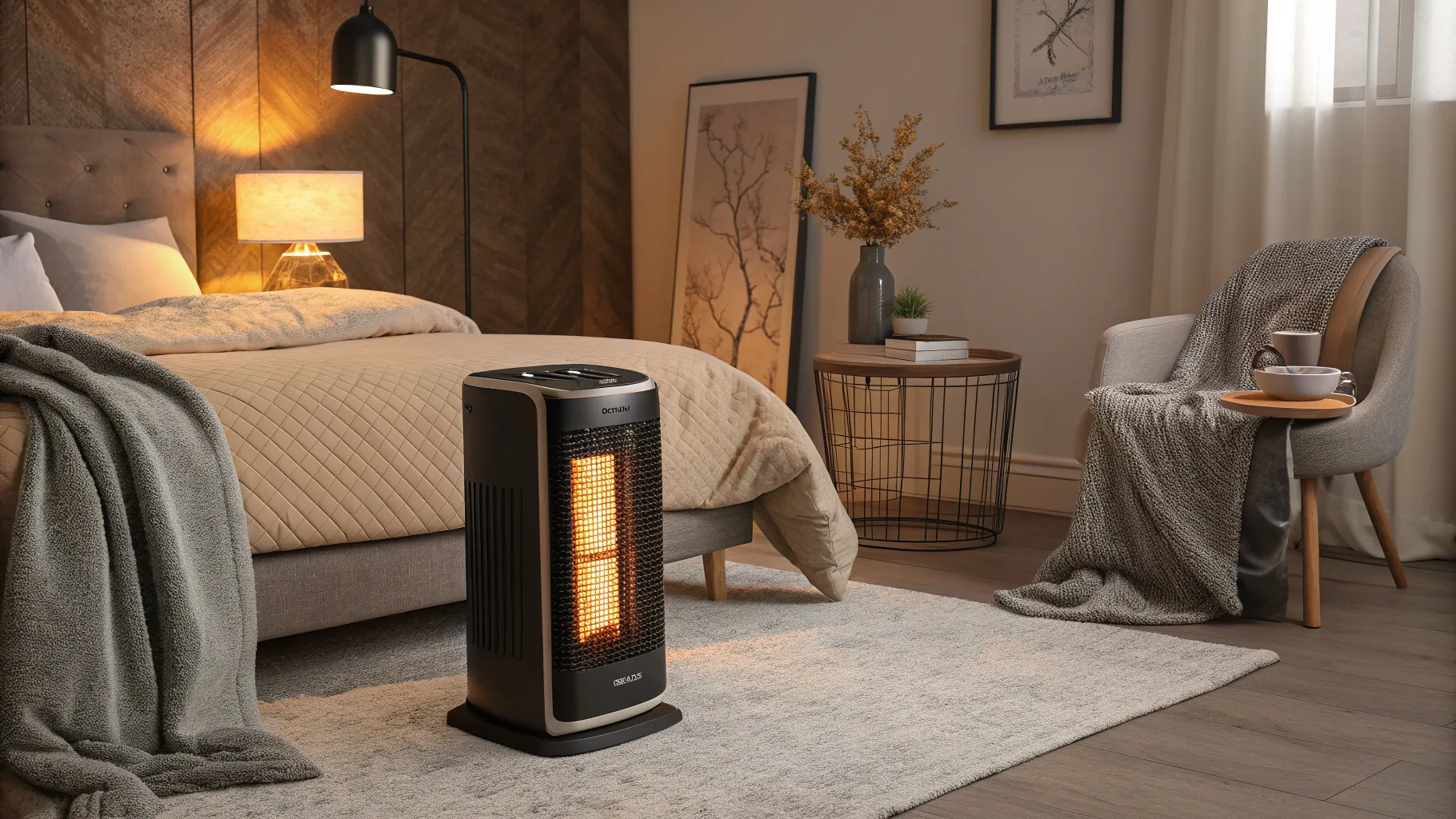
In recent months, with rising energy prices, interest in these heaters has surged. According to the latest reports, energy-efficient models can save users between 30% to 50% on their heating bills. They not only offer practicality but also promote sustainability, making them a popular choice among eco-conscious consumers.
What Types of Energy-Efficient Portable Heaters Exist
There are several types of energy-efficient portable heaters available in the market, each designed for specific needs or settings. Here are some of the most common types:
- Infrared Heaters: These heaters work by emitting infrared radiation, which warms objects directly rather than the air. They are quick to heat rooms and ideal for spot heating.
- Ceramic Heaters: Utilizing a ceramic element to produce heat, these units warm up quickly and are great for small to medium-sized spaces. They often come with fan assistance for better heat distribution.
- Oil-Filled Radiators: Filled with thermal oil, these heaters retain warmth longer than standard electric heaters. They provide a steady level of heat, making them suitable for extended use.
- Micathermic Heaters: These combine convection and radiation heating methods. They heat the air while warming surfaces in the room, leading to consistent warmth without hot spots.
How Do Energy-Efficient Portable Heaters Work
Energy-efficient portable heaters operate through various mechanisms, primarily focusing on maximizing heat output while minimizing energy usage. Infrared heaters, for instance, work by directly warming objects and people in their line of sight, which means they don't waste energy heating the air in the room.
Ceramic and micathermic heaters utilize a fan system to circulate warm air, allowing for even distribution. Oil-filled radiators rely on heated oil to radiate warmth over time; although they take longer to heat up, they can maintain warmth long after they’re turned off, thereby reducing electricity use.
What Is the Difference Between Infrared Ceramic and Oil-Filled Heaters
The choice between infrared, ceramic, and oil-filled heaters largely depends on individual needs such as space size, heating duration, and energy consumption goals. Infrared heaters are best for quick, directed warmth, making them suitable for personal spaces or temporary use. Ceramic heaters excel in small to medium rooms and provide quick warmth through circulated air. On the other hand, oil-filled heaters shine when it comes to long-term heating, as they retain heat for extended periods and are quieter than their counterparts.
How to Choose the Best Energy-Efficient Heater for a Small Apartment
Choosing the right energy-efficient heater for your small apartment requires careful consideration of several factors:
- Size and Space: Measure the area you wish to heat. A heater that's too large for a small room can lead to wasted energy, while a small heater may struggle to maintain a comfortable temperature.
- Heating Needs: If you need to heat a space quickly, an infrared or ceramic heater might be the best choice. For consistent, all-day warmth, consider an oil-filled radiator.
- Portability: Look for heaters with wheels or handles for easy movement across rooms, especially if you plan to use it in different areas of your apartment.
- Safety Features: Opt for units with tip-over protection, overheat shut-off, and cool-touch exteriors for peace of mind.
Are Energy-Efficient Portable Heaters Safe to Use
Safety is a primary concern when using any heating device. Fortunately, most modern energy-efficient portable heaters are designed with safety in mind. They often feature:
- Tip-over switches that automatically turn the heater off if it falls.
- Overheat protection that shuts off the unit if it reaches an unsafe temperature.
- Heat-resistant materials to prevent burns and protect the surface they sit on.
However, it's crucial to follow manufacturer guidelines, place heaters on stable surfaces away from flammable materials, and never leave them unattended while in operation.
How Much Electricity Does an Energy-Efficient Portable Heater Consume
Energy consumption for portable heaters can vary based on the type and model. On average, a portable heater uses between 750 to 1500 watts when operating. Calculating the cost involves knowing your local electricity rates; for instance, running a 1500-watt heater for 8 hours at a rate of $0.13 per kilowatt-hour would cost approximately $1.56.
In recent surveys, users reported significant reductions in their heating bills when switching to energy-efficient models, highlighting their growing popularity as a cost-saving solution.
Do Energy-Efficient Portable Heaters Really Save Money
Yes, energy-efficient portable heaters can indeed save you money. By allowing users to heat only specific rooms rather than the entire home, these heaters reduce overall energy consumption. Studies show that individuals who strategically use portable heaters in combination with central heating see up to a 40% reduction in their heating costs during colder months.
Which Portable Heater is Best for the Bedroom
For bedrooms, the ideal portable heater should be effective but also quiet and safe for overnight use. Many recommend oil-filled radiators or ceramic heaters with settings that allow users to adjust heat output and timers that can shut off when desired. Choosing a model with a low noise level can prevent disturbances during sleep, creating a comfortable sleep environment.
Portable Heaters for Autumn and Winter
As the colder months approach, investing in an energy-efficient portable heater can meet your heating needs affordably. With a range of options available, shoppers can select models that not only fit their heating preferences but also help regulate energy consumption. Whether it is for a small nook in your apartment or the main living area, energy-efficient portable heaters remain a cost-effective solution during the chilly autumn and winter seasons. Ultimately, their efficiency and convenience make them an indispensable addition to any home.
Authored by FreshLifeWire team