Elderly Glaucoma Medications Costs Types and Assistance
Understanding Glaucoma Medications for the Elderly
Glaucoma is a serious health issue affecting millions of elderly people worldwide in 2025, where managing this condition often involves a long-term commitment to medication. As we age, our eyes naturally undergo several changes that can increase our risk of developing glaucoma, a disease that, if left untreated, can lead to blindness. For caregivers and individuals managing their own health, having a grasp of the various types of medications available, their costs, and potential financial assistance options is crucial in ensuring effective treatment and maintaining optimal eye health.
Exploring Different Types of Glaucoma Medications
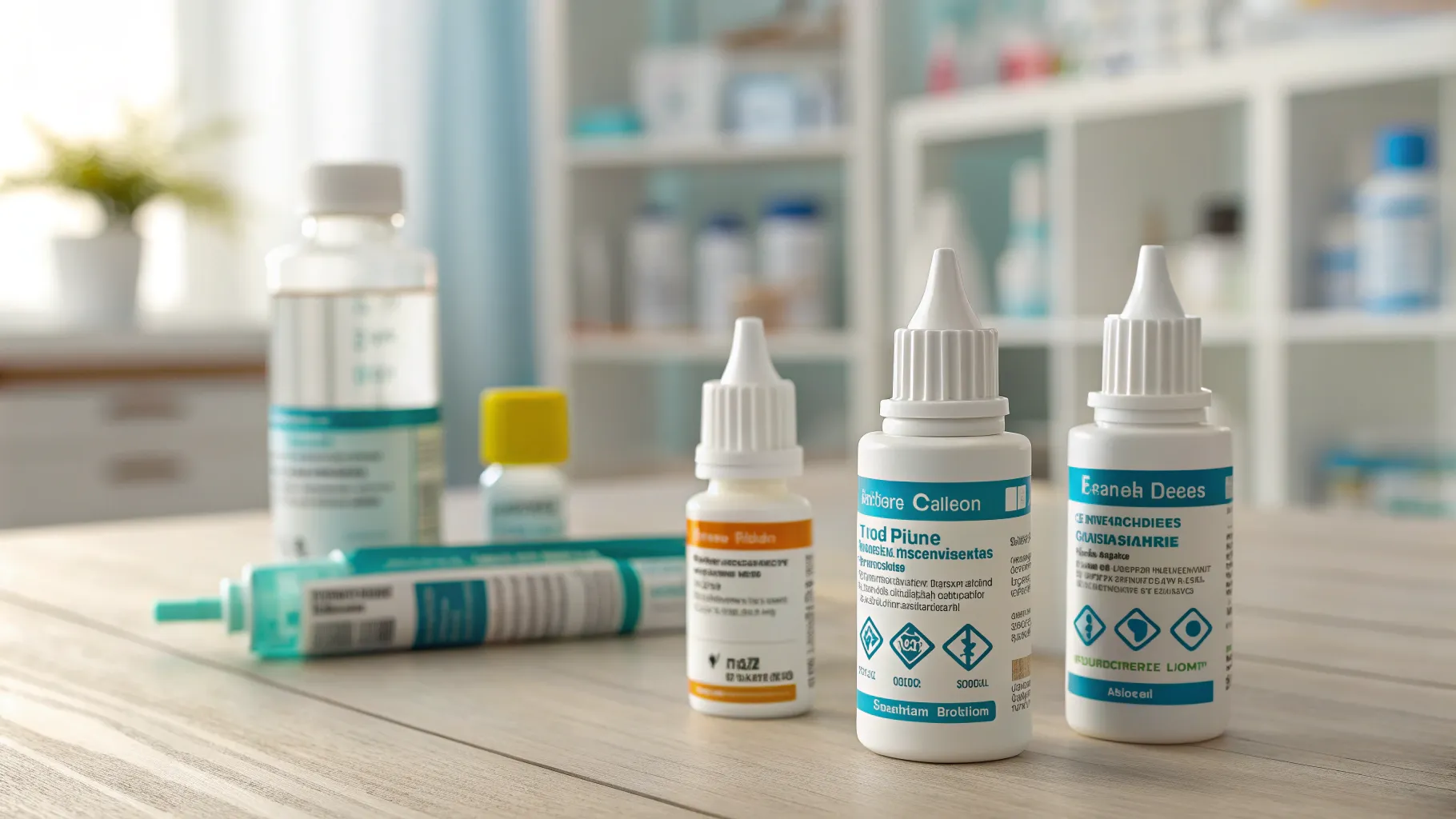
Glaucoma treatments typically come in the form of eye drops that work to lower intraocular pressure, a key factor in preventing optic nerve damage. The medication options are diverse and can interact differently with each individual’s health profile. Let’s take a closer look at some of the most commonly prescribed glaucoma medications and their costs:
- Combigan: This is a combination eye drop that contains brimonidine and timolol. These ingredients work together to decrease eye pressure through dual action. The average retail price for a 5 mL bottle is approximately $150, depending on the pharmacy, making it a moderately priced option for many.
- Zioptan: Containing tafluprost, Zioptan eye drops function by improving the outflow of aqueous fluid from the eye, ultimately lowering intraocular pressure. With a typical cost of about $140 for a month’s supply, it is similarly priced to Combigan.
- Lumigan: Another effective prostaglandin analog, Lumigan has gained popularity in treating glaucoma due to its efficacy in lowering pressure. Its price reflects a slight reduction in comparison to the former medications, averaging around $120 for a 2.5 mL bottle.
- Generic Glaucoma Medications: Thankfully, many brand-name glaucoma medications now have affordable generic versions available. These generic alternatives can be priced anywhere from $30 to $60, significantly easing the financial burden, especially for seniors on fixed incomes.
Along with these options, other types of glaucoma medications include beta-blockers, alpha agonists, and carbonic anhydrase inhibitors. Each one comes with specific advantages and potential side effects that should be thoroughly discussed with a healthcare professional before initiating treatment.
The Financial Impact of Glaucoma Medications
One of the pressing challenges elderly patients face in managing glaucoma is the expense associated with long-term medication use. Given that many seniors are living on fixed incomes, even the relatively modest price of glaucoma eye drops can accumulate over time, resulting in monthly expenses ranging from $100 to $300. Thus, budgeting and planning become essential components of ongoing treatment.
Apart from the base cost of the medications, the price can fluctuate significantly from one pharmacy to another. For example, some pharmacies routinely offer special promotions or lower prices that can make a significant difference. It’s beneficial to shop around and leverage online price comparison tools when seeking the best deals.
Patient Assistance Programs
Recognizing the financial strain that medication costs can impose, various patient assistance programs (PAPs) have been established to support those who need help in affording their medications. Most pharmaceutical companies have devised programs that offer anything from free medications to steep discounts based on income levels and individual needs.
For example, the Glaucoma Research Foundation provides invaluable resources and links to patient assistance programs, assisting individuals in navigating the often-complex financial aspects of their treatment. Additionally, organizations such as NeedyMeds and RxAssist maintain databases where patients can locate assistance programs specific to their medications and geographical location.
Medicare Part D Coverage for Glaucoma Medications
In the landscape of senior healthcare, Medicare Part D acts as a crucial safety net, offering prescription coverage including glaucoma eye drops. Yet, understanding the particulars of what is covered and the relevant nuances can be a daunting task. Generally, these plans may encompass both brand-name drugs and generics, but the extent of coverage can vary widely from one plan to another.
Currently, about 45% of Medicare beneficiaries utilize a Part D plan, which helps mitigate their out-of-pocket medication expenses. It’s wise for seniors, or their caregivers, to review their plans during the open enrollment period, allowing them to switch to plans that may provide better coverage for their necessary medications. Thoroughly reviewing the formulary list of their plan ensures that the required glaucoma medications are included in their coverage.
On top of Medicare assistance, local and state programs may offer additional support for prescription costs, providing further financial help for seniors who qualify. By taking full advantage of multiple resources, managing the financial implications of glaucoma medications becomes less daunting.
Strategies for Managing Medication Costs
While utilizing financial assistance programs is essential, various practical strategies can further help in managing the costs associated with glaucoma medications:
- Consulting Your Doctor: Communication with healthcare providers about potential switches to generic options can not only ensure effective treatment but can also provide significant cost savings without compromising quality.
- Using Online Pharmacies: These often provide lower prices for medications. Nonetheless, it's critical to ensure that the pharmacy is legitimate and meets all licensing requirements.
- Creating a Medication Schedule: By keeping an eye on refill dates, patients can avoid running out of medication unexpectedly, which might lead to potentially costly urgent care visits.
- Exploring Local Programs: Many community health initiatives or local health departments may have resources available for seniors, including affordable medications and related services.
Through informed decisions, regular check-ups, and proactive management, seniors can navigate the landscape of glaucoma medications more effectively. Staying connected with healthcare providers and utilizing community resources ensure that both patients and caregivers can maintain optimal eye health and financial stability in dealing with glaucoma.
Authored by FreshLifeWire team