Effects of Social Media on Mental Health and Wellbeing
Is Social Media Harmful to Your Mental Wellbeing
Social media has become a predominant aspect of our lives today. In 2025, an astonishing 4.9 billion people worldwide are reported to use social networking platforms regularly. While sites such as Instagram, Facebook, and Twitter provide avenues for connection and creativity, the impact of these platforms on mental health is increasingly being scrutinized. Are social media platforms reinforcing feelings of self-worth and community, or are they detrimentally affecting our mental wellbeing?
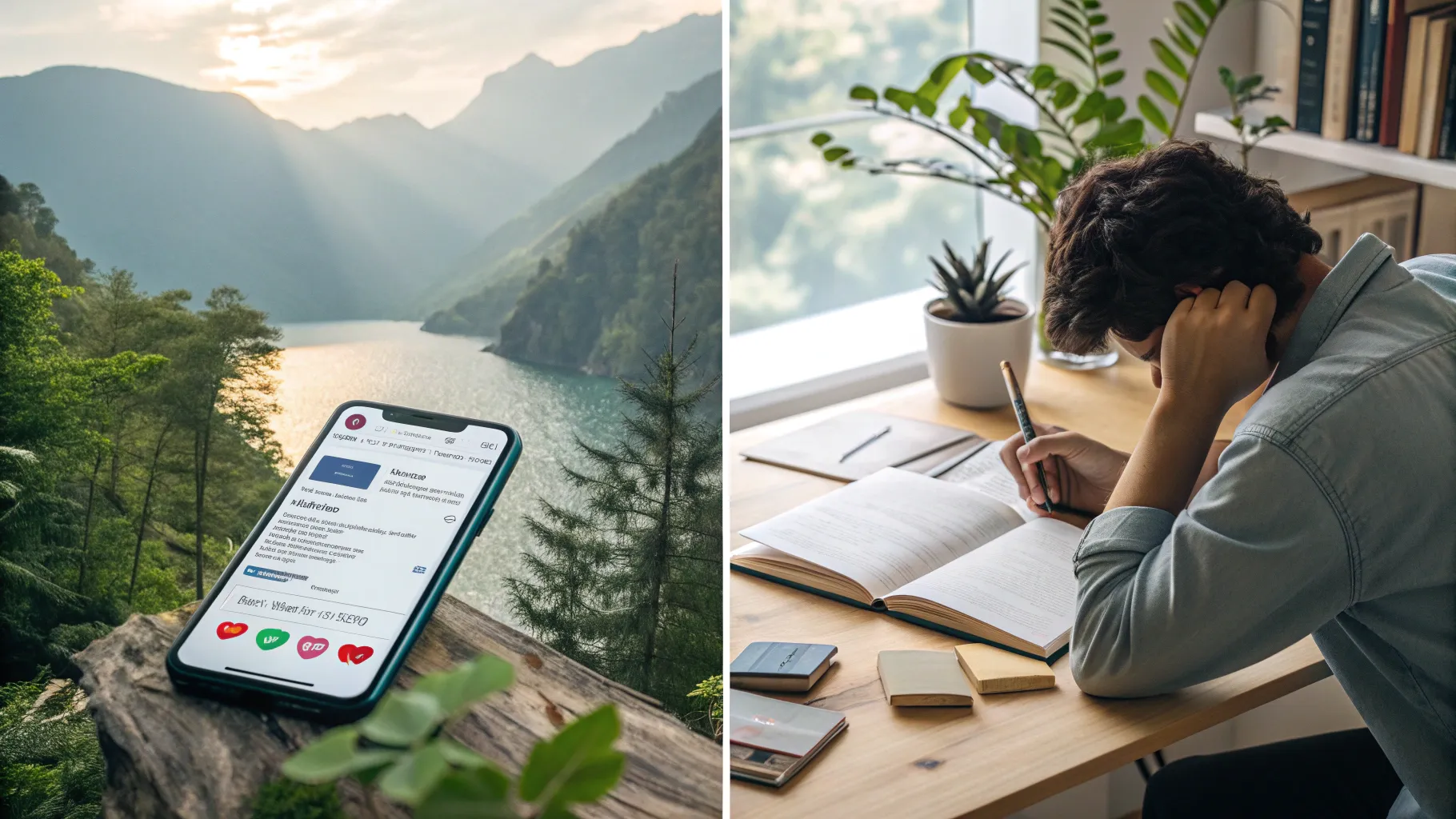
The Psychological Impact of Social Media
In the last six months, research explored the intricate relationship between social media use and mental health. A recent study from the Digital Mental Health Alliance revealed that about 38% of users experience anxiety while scrolling through their feeds or immediately after. These anxious feelings are often rooted in various factors like the constant comparison with others, the pervasive FOMO (fear of missing out), and the immense pressure to showcase a captivating persona online.
Comparison and Self-Esteem
When users scroll through platforms, they are often inundated with highlight reels from others, which can distort reality. A survey conducted in early 2025 indicated that 72% of millennials and Gen Z individuals reported feeling inadequate after viewing posts from their peers, thus adversely impacting their self-esteem and overall mental health. This phenomenon underscores a troubling cycle.
- Comparison Trap: Individuals frequently find themselves in a vicious cycle of comparing their lives to the highly curated reality displayed online. This leads to heightened feelings of inferiority and dissatisfaction.
- Cyberbullying: The anonymity provided by social media often fuels negative interactions, which can result in significant anxiety and depression, especially among younger users.
- Validation Seeking: The addictive quest for likes and comments can adversely affect self-worth, particularly when posts do not receive the anticipated engagement.
FOMO and Anxiety Disorders
The phenomenon of FOMO has been extensively studied in psychology circles and has consistently shown a link to increased anxiety levels. Individuals often feel compelled to check their social media for updates related to social events, which further compounds their anxiety. A comprehensive study published in a respected psychology journal showed that participants who frequently checked social media for event-related updates exhibited noticeably higher anxiety levels than those who limited their usage. Interestingly, FOMO also correlates with lower life satisfaction and increased feelings of loneliness. Ironically, these are the very issues that social media aims to tackle by fostering connections.
Real-World Examples
Take Sarah, for example, a common social media user. Initially, Sarah turned to Instagram primarily to connect with friends and share experiences. Over time, however, her focus shifted heavily to accumulating likes and followers. With each post, her anxiety escalated, especially when her content received less engagement compared to her peers. This consistent pressure led Sarah to seek therapy, where she became aware of the negative impact that social media had on her mental health. Sadly, her experience is not unique; many individuals find themselves in similar situations, grappling with the pressures of online presence.
Positive Aspects of Social Media
While the adverse effects of social media are significant, it's crucial to recognize the potential benefits these platforms can offer for mental wellbeing. Many users discover online communities that lift their spirits and provide invaluable support during challenging times. For instance, individuals dealing with mental health issues have created online forums where they can openly share their feelings and experiences. A study released in early 2025 indicated that around 65% of participants in these mental health communities felt less isolated after discussing their challenges openly online.
- Support Networks: Online groups and forums can be an excellent source of support, enabling individuals to share experiences and encourage one another through difficult times.
- Awareness Campaigns: Social media campaigns have proven effective in promoting mental health awareness and education, which can help in reducing stigma surrounding mental health issues.
- Resource Accessibility: Numerous organizations harness social media to share vital information about mental health resources, facilitating access to help for those in need.
Finding Balance
To harness the positive attributes of social media while mitigating its negative potential on mental health, a balanced approach is essential. Here are some practical tips that can help:
- Limit Usage: Designate specific times during the day to engage with social media. This helps prevent endless scrolling and intrusion into real-life interactions.
- Curate Your Feed: Unfollow accounts that trigger feelings of inadequacy and instead follow those that inspire and uplift you.
- Practice Digital Detox: Regularly disconnect from social media to reconnect with the physical world and reduce the sense of digital overload.
As of now in 2025, it is evident that social media plays a critical role in shaping mental health. While there are significant challenges—particularly regarding comparison and anxiety—these platforms also create opportunities for connection, community support, and increasing awareness about mental health. Understanding these dynamics is crucial to navigating our increasingly connected world effectively, all while promoting mental wellbeing.
The onus is on each user to cultivate a healthy relationship with social media. By being intentional in our engagement and recognizing the profound impact social media has on our lives, we can leverage its benefits while steering clear of its pitfalls. This dialogue surrounding mental health and social media is dynamic and evolving, and as we become more aware, we also empower ourselves to transform social interactions into enriching experiences.
Authored by FreshLifeWire team