Effective Ways to Treat Acne Scars at Home Naturally
How to Treat Acne Scars at Home
Dealing with acne is challenging enough, but the scars that can remain after breakouts can be a source of frustration and self-consciousness for many. Thankfully, there are effective ways to treat acne scars at home. With the right combination of natural remedies, lifestyle changes, and over-the-counter products, you can significantly reduce the appearance of these scars and regain your confidence.
Understanding Acne Scars
Before diving into treatment options, it's important to understand the types of acne scars. Generally, they can be classified into three categories:
- Atrophic Scars: These are the most common type, appearing as depressions in the skin. They usually form due to loss of tissue from deep acne lesions.
- Keloid Scars: These raised scars occur when the body produces too much collagen during healing. They often expand beyond the original acne site.
- Hyperpigmented Scars: These dark spots occur when the skin produces excess melanin after an acne breakout. Unlike the others, they typically fade over time.
Identifying your scar type is crucial in determining the treatment approach that will work best for you. In 2025, advances in dermatology have provided us with many options, but home remedies remain an accessible first line of defense.
Natural Remedies for Acne Scars
Several natural products can aid in healing and minimizing the appearance of acne scars. Here are some effective remedies to consider:
Coconut Oil
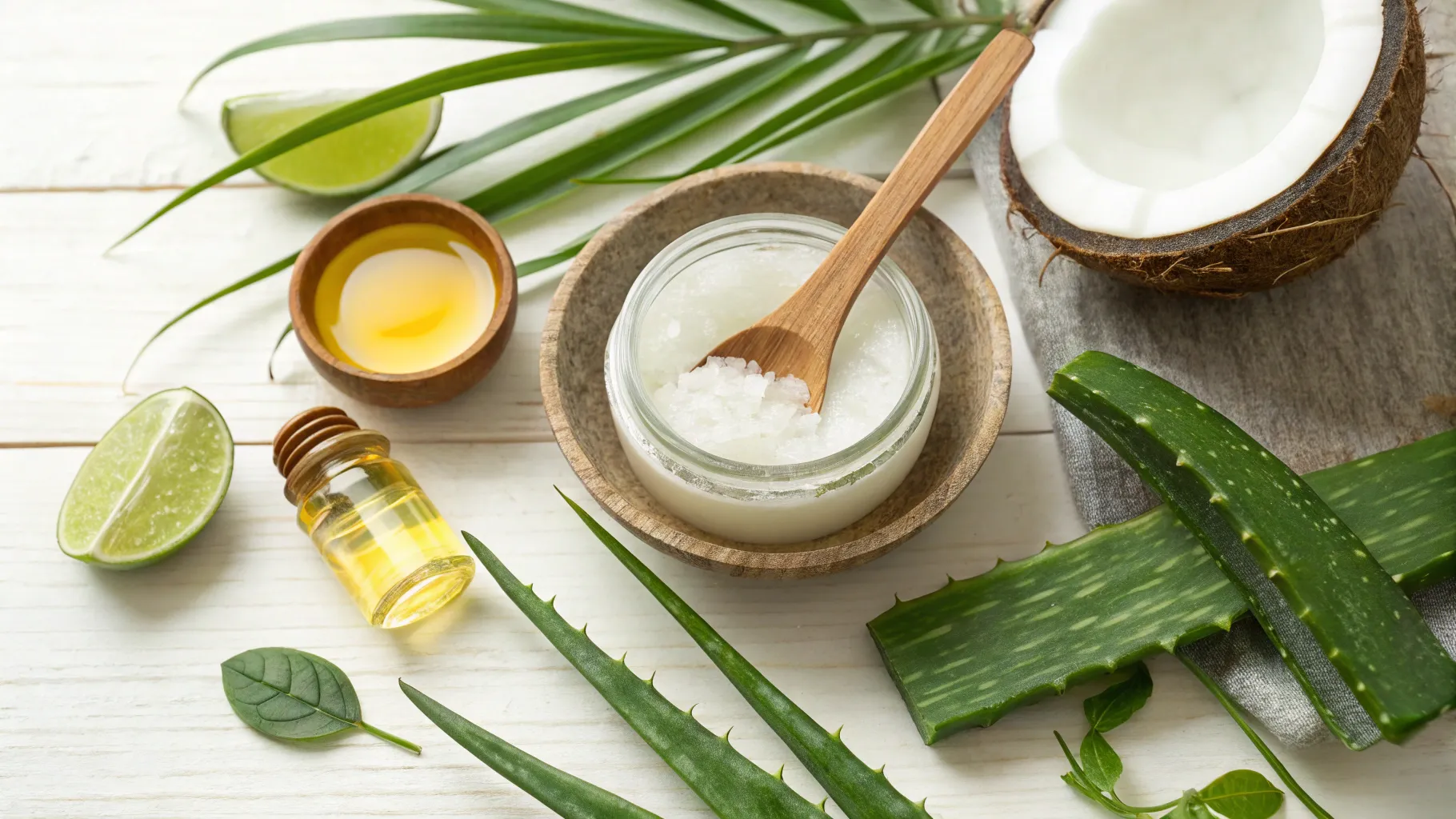
Coconut oil is known for its moisturizing and anti-inflammatory properties. Rich in fatty acids, it helps to nourish the skin and speed up healing. Simply apply a small amount to the affected areas and massage gently for about 10 minutes before going to bed.
Aloe Vera
Aloe vera is another powerful natural treatment. Its soothing properties can reduce inflammation and redness associated with acne scars. You can apply fresh aloe vera gel directly from the plant to your skin and leave it on overnight for maximum effect. Regular use can improve skin texture over time.
Honey
Honey is a natural humectant, meaning it draws moisture to the skin. It also has antibacterial properties, which can help prevent future breakouts. Apply raw honey to your scars, leave it on for 30 minutes, and then rinse off with warm water. Try this once daily to see noticeable improvements.
Lemon Juice
Lemon juice is often praised for its skin-lightening properties due to its natural acidity. It can help fade dark spots left by acne. However, it’s important to use lemon juice cautiously, as it can make your skin sensitive to sunlight. Mix lemon juice with water, apply it to the scars for about 10 minutes, and rinse thoroughly. Remember to wear sunscreen if you use this treatment.
Essential Oils
Some essential oils, such as tea tree oil and lavender oil, possess healing and skin-rejuvenating properties. Tea tree oil is especially popular for its antibacterial effects on acne and scars. Mix a few drops with a carrier oil, like jojoba oil, and apply it to your scars once daily. Lavender oil can help soothe the skin and promote healing. Always do a patch test first to avoid irritation.
Over-the-counter Products for Acne Scars
If natural remedies aren’t enough, many over-the-counter treatments effectively reduce acne scars. Here are some popular options in 2025:
Topical Retinoids
Retinoids are derivatives of vitamin A and are known for their ability to promote cell turnover, boost collagen production, and improve skin texture. Products containing retinol can help reduce both atrophic and hyperpigmented scars over time. Start with a low concentration and gradually increase as your skin builds tolerance.
Exfoliating Acids
Exfoliating acids, such as glycolic acid and salicylic acid, help to remove dead skin cells and improve skin texture. These acids also help prevent breakouts from occurring, which is a plus. Incorporating a gentle exfoliating product into your skincare routine can lead to a smoother complexion with regular use.
Vitamin C Serums
Vitamin C is known for its brightening effects and can help fade hyperpigmented scars. A potent Vitamin C serum applied daily can brighten your complexion and even out skin tone. Look for products that contain stable forms of Vitamin C for maximum effectiveness.
Hydroquinone Cream
Hydroquinone is a skin-lightening agent that can help reduce dark spots. It’s effective but should be used with caution and for limited time periods. Consult with a dermatologist if you consider this option, especially if you have sensitive skin.
Maintaining a Healthy Skin Care Routine
Your overall skincare routine plays a vital role in treating acne scars. Here are some essential tips to keep in mind:
- Hydration: Drink plenty of water to keep your skin hydrated from the inside out. Proper hydration can enhance skin elasticity and suppleness.
- Sun Protection: Always use sunscreen with at least SPF 30, even if you are indoors. UV exposure can worsen hyperpigmentation and delay scar healing.
- Avoid Picking: Resist the urge to pick at scars as this can lead to further irritation and new scar formation.
- Consult a Dermatologist: If home treatments and over-the-counter products fail, it may be time to consult a dermatologist for professional advice and treatments.
Treating acne scars at home is not an overnight process and requires patience and consistency. While natural remedies and over-the-counter options can significantly improve the appearance of your skin, understanding what works for your unique skin type is key to achieving the best results.
In conclusion, by embracing a comprehensive approach that combines diligent care, effective products, and natural remedies, you can confidently navigate the path to clear, beautiful skin free from the shadows of acne scars.
Authored by FreshLifeWire team