Effective Treatment Options for Liver Cirrhosis in 2025
Treatment of Liver Cirrhosis
Liver cirrhosis is a chronic and progressive condition characterized by the replacement of healthy liver tissue with scar tissue, leading to liver dysfunction. As of 2025, approximately 3% of adults worldwide are affected by liver cirrhosis, making it a significant public health concern. The treatment of liver cirrhosis can vary significantly depending on the underlying causes, the stage of the disease, and the overall health of the individual.
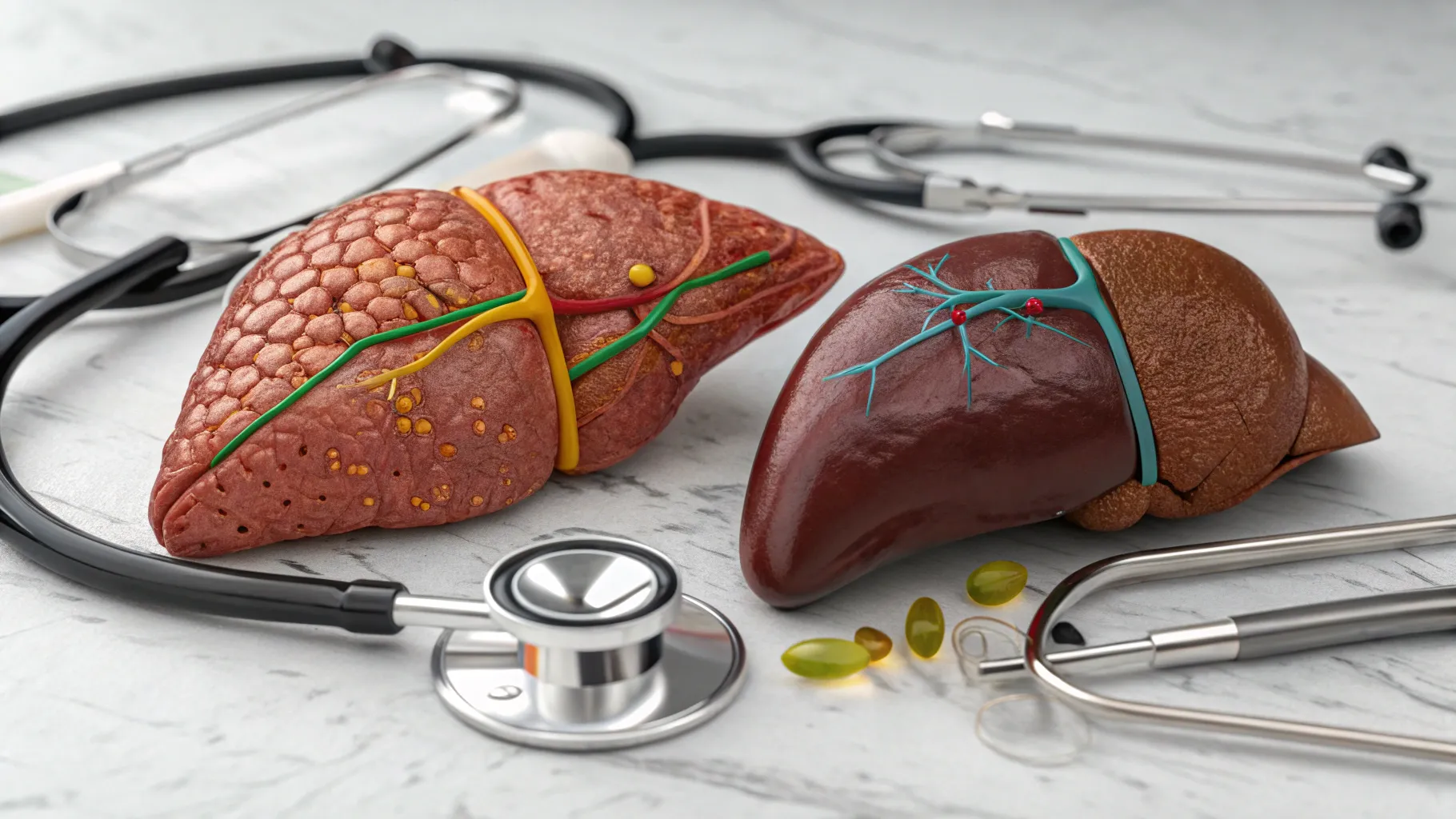
Understanding Causes of Cirrhosis
Cirrhosis can stem from various liver diseases, and understanding these causes is crucial for effective treatment. The most common causes include:
- Chronic Alcohol Abuse: Prolonged intake of alcohol is a leading cause, responsible for approximately 50% of cirrhosis cases in developed countries.
- Hepatitis B and C: Viral infections are significant contributors, with Hepatitis C being a primary cause globally.
- Non-Alcoholic Fatty Liver Disease (NAFLD): Increasingly common, especially in overweight and diabetic populations, NAFLD can progress to cirrhosis.
- Autoimmune Disorders: Conditions like autoimmune hepatitis can lead to liver damage and cirrhosis.
- Genetic Conditions: Disorders such as Wilson's disease or hemochromatosis also contribute to chronic liver injury.
Liver Disease Symptoms
The symptoms of liver cirrhosis often develop gradually and may vary based on the disease's stage. Early stages can be asymptomatic, but as the disease progresses, individuals may experience:
- Fatigue and weakness
- Jaundice (yellowing of the skin and eyes)
- Itchy skin
- Swelling in the abdomen and legs (ascites and edema)
- Easy bruising and bleeding
- Confusion and cognitive issues (hepatic encephalopathy)
Recognizing these symptoms early is crucial for timely intervention. In the last six months, health campaigns have emphasized the importance of regular check-ups, especially for those at high risk.
Cirrhosis Stages
Cirrhosis is classified into several stages, which guide treatment decisions:
- Compensated Cirrhosis: The liver still functions adequately despite some damage. Patients may not show symptoms.
- Decompensated Cirrhosis: The liver fails to maintain normal function, leading to serious complications such as portal hypertension, bleeding varices, and liver failure.
Determining the stage of cirrhosis is essential for managing treatment effectively. For instance, compensated cirrhosis may only require regular monitoring and lifestyle changes, whereas decompensated cirrhosis often necessitates more aggressive interventions.
Lifestyle for Liver Health
Implementing lifestyle changes is one of the most effective ways to manage liver health and slow the progression of cirrhosis. Here are some vital recommendations:
- Avoid Alcohol: Regardless of the cause, abstaining from alcohol is crucial in preventing further liver damage.
- Healthy Diet: A balanced diet rich in fruits, vegetables, whole grains, and lean proteins can help maintain liver function and overall health. Limiting salt intake can also reduce fluid retention.
- Maintain a Healthy Weight: Losing weight can help those with NAFLD and reduce liver fat.
- Regular Exercise: Physical activity promotes overall health and assists in weight management.
- Avoid Toxins: Limit exposure to environmental toxins that can stress the liver.
- Regular Check-Ups: Stay in tune with liver health by attending regular medical appointments.
In a recent study, patients who adhered to these lifestyle modifications showed significant improvement in their liver function tests and overall quality of life.
Medications for Cirrhosis
While there is no cure for liver cirrhosis, various medications can manage symptoms and complications. Treatment strategies may involve:
- Antiviral Medications: For patients with cirrhosis due to hepatitis B or C, antiviral therapies can help control viral replication.
- Diuretics: These help reduce fluid retention and swelling.
- Lactulose: Used to manage hepatic encephalopathy by reducing ammonia levels in the blood.
- Beta-blockers: These are often prescribed to reduce portal hypertension and prevent variceal bleeding.
Recent advancements in pharmacotherapy have shown promising results, enhancing the quality of life for individuals living with cirrhosis.
Liver Transplant Options
For individuals with decompensated cirrhosis or advanced liver disease, a liver transplant may be the only viable treatment option. Criteria for eligibility have evolved, considering both medical and social factors. In 2025, the transplant process is more refined than ever, with improved organ matching and post-operative care.
The demand for liver transplants remains high; in the last year alone, thousands of patients across the globe were on waiting lists. Awareness and funding for living donor programs have increased, providing additional options for those in need. Current statistics reflect an increased survival rate post-transplant, with 90% of recipients living at least five years after the procedure.
Preventing Liver Damage
Preventing liver cirrhosis involves addressing risk factors proactively. Vaccinations against hepatitis B, public health initiatives to reduce alcohol abuse, and education on healthy lifestyle choices are critical components in curbing the prevalence of liver disease. Routine screening for those at risk can lead to earlier diagnosis and interventions.
In summary, the treatment of liver cirrhosis is multifaceted, requiring a comprehensive approach that includes lifestyle changes, medication, and in some cases, advanced therapies like liver transplantation. As awareness grows, more individuals can manage their liver health more effectively, contributing to improved outcomes and quality of life.
Authored by FreshLifeWire team