Effective Tips to Fix Thinning Hair in Seniors Naturally
How to Fix Thinning Hair in Seniors
Thinning hair is a common concern for many seniors, impacting not just their appearance but also their self-esteem and overall well-being. As we age, our bodies undergo various changes that can contribute to hair loss, making it crucial to understand these factors and explore effective solutions. In this article, we will examine the causes of hair thinning in seniors, discuss natural remedies, emphasize the importance of nutrition for hair health, suggest suitable hairstyles, and offer practical scalp care tips.
Understanding the Causes of Hair Loss in Seniors
Hair thinning in seniors is often a reflection of multiple underlying health issues rather than just a cosmetic concern. Hormonal shifts, particularly in estrogen and testosterone, can significantly influence hair growth. According to a recent study, about 40% of individuals aged over 60 are experiencing noticeable hair thinning, which highlights the need for greater awareness and proactive care.
Additionally, age-related factors such as reduced blood circulation, chronic health conditions—like thyroid disorders—and the side effects of certain medications can exacerbate hair loss. Understanding these causes is essential for addressing the issue effectively, allowing seniors to take informed steps towards managing and potentially reversing hair thinning.
Natural Remedies for Thinning Hair in the Elderly
For seniors looking to combat thinning hair through natural means, several remedies can help boost hair growth without resorting to harsh treatments. Here are some effective options:
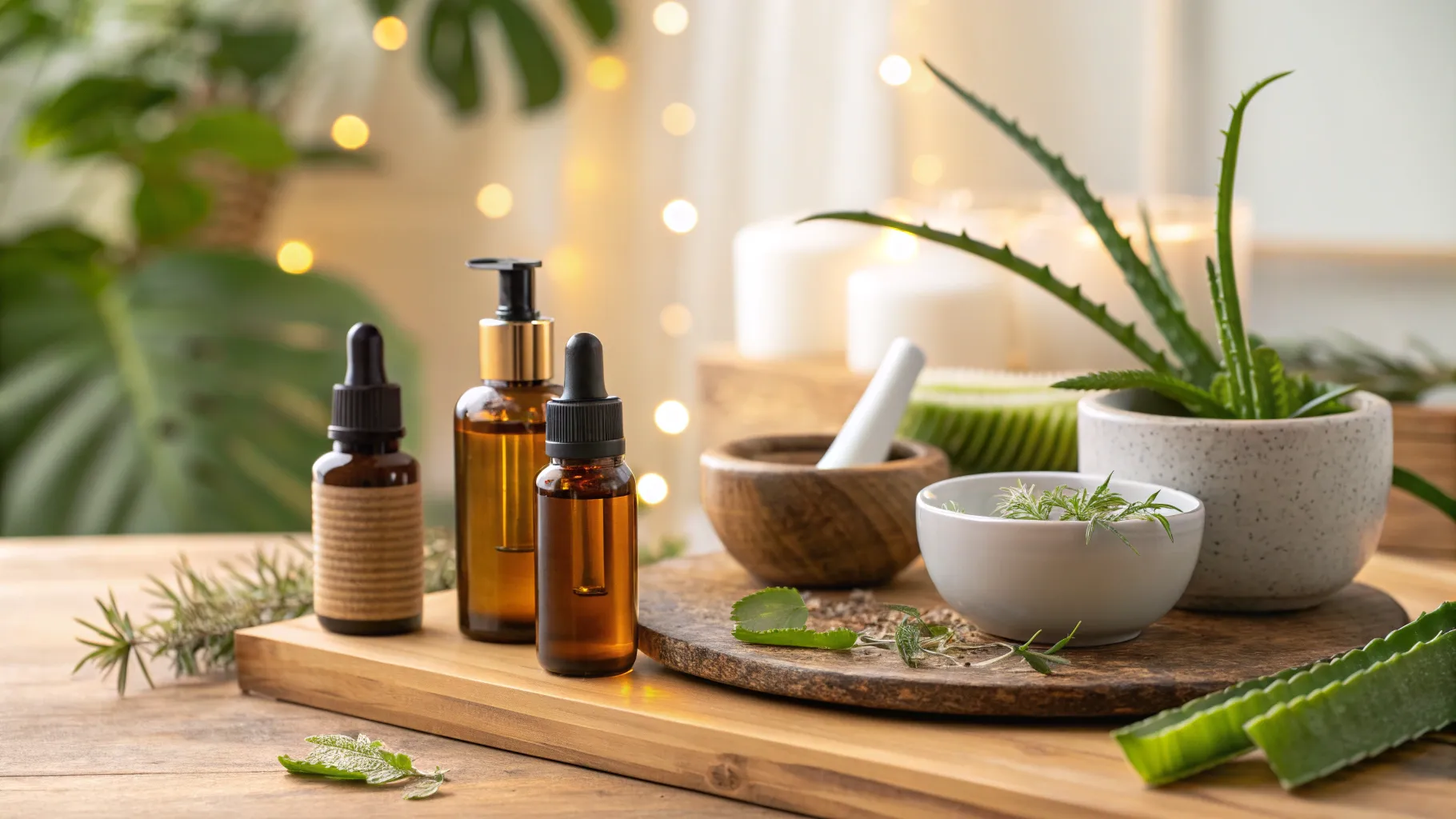
- Essential Oils: Utilizing oils like rosemary or peppermint can stimulate circulation to the scalp, encouraging hair growth. Regular massages with these oils not only promote relaxation but also amplify their benefits for hair health.
- Herbal Supplements: Certain herbal supplements, including saw palmetto and ginseng, have shown promise in strengthening hair follicles. However, it is wise to consult a healthcare provider before adding any new supplements to your routine.
- Aloe Vera: Known for its soothing properties, aloe vera can help maintain a healthy scalp and reduce dandruff, resulting in fuller-looking hair. Its moisturizing effects can nourish the hair, making it appear healthier overall.
- Green Tea: Rich in antioxidants, green tea is not just a healthy beverage but can also be applied topically to promote hair growth. The polyphenols found in green tea may help combat hair loss effectively.
Nutrition for Healthy Hair in Old Age
The importance of nutrition cannot be overstated when it comes to maintaining healthy hair. A well-balanced diet rich in essential nutrients can play a crucial role in potentially reversing thinning hair. Consider these dietary strategies:
- Protein-Rich Foods: Since hair is primarily composed of protein, incorporating plenty of protein-rich foods such as fish, lean meats, and plant-based proteins like beans and lentils is vital for hair strength.
- Vitamins for Hair Health: Key vitamins such as Biotin, Vitamin D, and Zinc significantly contribute to hair health. Foods like avocados, nuts, seeds, and leafy greens can supply these essential nutrients, promoting stronger hair growth.
- Healthy Fats: Including sources of Omega-3 fatty acids—such as salmon, walnuts, and flaxseeds—in one’s diet can support not only scalp health but also improve hair texture and sheen.
By focusing on a nutrient-rich diet, seniors can better support their hair health while enhancing their overall vitality.
Best Hairstyles for Thinning Hair Seniors
Selecting the right hairstyle can make a remarkable difference in how thinning hair is perceived. Here are some of the best hairstyles for seniors experiencing hair thinning:
- The Bob Cut: This timeless style is both chic and practical. A well-structured bob can add the illusion of volume and frame the face nicely, enhancing one’s overall appearance.
- Pixie Cut: For those who prefer a short, modern look, a textured pixie cut can create fullness, showcasing natural hair texture while minimizing the appearance of thinning hair.
- Layered Styles: Opting for layers allows for movement and volume, making hair look more vibrant. Layers can lift flat hair, adding dimension and making it appear more substantial.
- Side Part: A side part can effectively disguise thinning patches and provide a fuller appearance, contributing to an overall more youthful look.
Ultimately, the right hairstyle should make seniors feel comfortable and confident, reflecting their personal style and embracing their unique beauty.
Scalp Care for Thinning Hair in Seniors
Effective scalp care is a fundamental aspect of maintaining healthy hair. Seniors should adopt a consistent scalp care routine that includes the following:
- Gentle Cleansing: Using a mild, sulfate-free shampoo ensures that the scalp remains healthy while not stripping away essential natural oils. Proper cleansing can help maintain scalp balance.
- Regular Scalp Massages: Incorporating gentle scalp massages into the grooming routine can enhance blood circulation, stimulating hair follicles and improving hair growth potential over time.
- Avoiding Damage: Limiting the use of hot styling tools and harsh chemical treatments can prevent further damage to thinning hair, allowing it to regain strength and vitality.
Taking these steps in scalp care can significantly enhance hair quality, providing a solid foundation for promoting growth as we age.
In addition to these techniques, here are some vital tips to prevent hair loss in seniors:
- Maintain adequate hydration by drinking enough water, which benefits both skin and scalp health.
- Practice stress-reducing activities such as yoga or meditation to help combat hair loss stemming from anxiety.
- Consult healthcare professionals regarding medications known to affect hair health, ensuring all aspects of health are monitored.
- Regular health check-ups can keep track of any underlying conditions that may contribute to thinning hair.
By taking a comprehensive approach—utilizing natural remedies, emphasizing nutrition, choosing flattering haircuts, and ensuring good scalp care—seniors can work towards managing and possibly reversing hair thinning. Embracing these practices not only enhances the health of the hair but also fosters improved self-esteem, allowing individuals to feel confident and empowered at any age.
Authored by FreshLifeWire team