Effective Tips for Removing Rust from Your Car Easily
5 Tips for Removing Rust from Your Car
Rust is an inevitable foe for car owners, especially if you live in a region where winter road salt is common or in humid environments. Fortunately, there are effective ways to tackle this issue and restore your vehicle’s appearance without breaking the bank. Here, we present 5 tips for removing rust from your car using common household items and a little elbow grease.
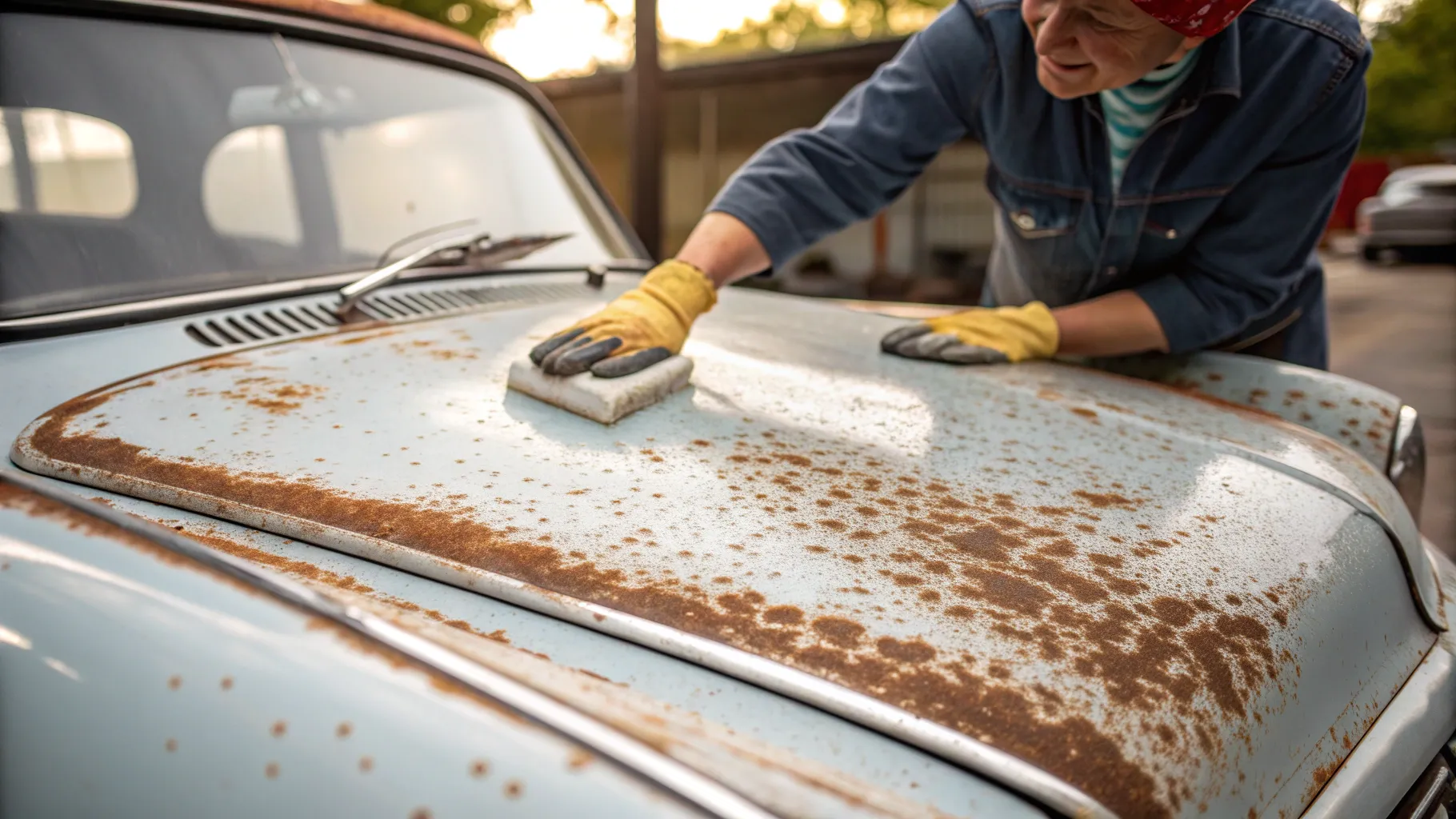
Baking Soda and Water Paste
One of the most accessible and effective rust removal methods starts with a simple mixture of baking soda and water. This paste, when applied to rusted areas, can work wonders. Here’s how to go about it:
- Gather your materials: You will need baking soda, water, a bowl, a brush or cloth, and some sandpaper (fine grit).
- Create the paste: Mix a few tablespoons of baking soda with just enough water to form a thick paste.
- Apply the paste: Smooth the paste over the rust spots on your car, ensuring complete coverage. Let it sit for about an hour. The alkaline properties of baking soda will help lift the rust away.
- Scrub and rinse: After the time is up, use the brush or cloth to scrub the area gently. Rinse with water and dry thoroughly.
This method is not only cost-effective but also less aggressive on your car’s paint when compared to chemical rust removers.
White Vinegar Treatment
If you’re looking for a natural and mildly acidic alternative, look no further than white vinegar. Vinegar is renowned for its rust-dissolving abilities, thanks to its acetic acid content:
- Soak a cloth: Pour white vinegar into a bowl and soak a cloth in it. You can also directly spray the vinegar on the rusted area for convenience.
- Apply the cloth to rust: Place the soaked cloth over the rust spots, allowing it to sit for at least 30 minutes. If you’re using a spray, ensure the area stays damp during this time.
- Scrub with a brush: After the waiting period, take a scrubbing brush to the area to help remove the rust. You should see significant results.
- Rinse and dry: Finally, rinse the treated area with water and dry it well.
With its acidic nature, white vinegar is a powerful tool in your rust removal arsenal, making it a favorite among DIY enthusiasts.
Lemon Juice and Salt Scrub
For those who love a fresh citrus scent while tackling rust, consider using lemon juice combined with salt. This natural remedy is effective due to the citric acid in lemon and the abrasive properties of salt:
- Mix your solution: Combine fresh lemon juice and a generous amount of salt to create a thick paste.
- Apply to rusted spot: Spread this mixture over the rusted areas on your car and let it sit for a few hours. The combination acts to weaken the rust and makes it easier to remove.
- Scrub gently: Use a cloth or sponge to scrub the area. The abrasiveness of the salt will help lift the rust away.
- Rinse and dry: As with the previous methods, rinse off the paste and dry the area thoroughly.
This method is not only effective but leaves a pleasant smell, making your rust removal experience more enjoyable.
Aluminum Foil with Water or Cola
Believe it or not, aluminum foil can be a surprisingly effective rust remover! Its chemical reaction with rust can help remove some tough spots:
- Use aluminum foil: Tear off a small piece of aluminum foil and dip it in water. Some recommend cola as an alternative because its phosphoric acid can also help.
- Rub the rusted area: Gently rub the rusted spots on your car with the damp aluminum foil. The abrasiveness of the foil works in synergy with the moisture to lift rust.
- Rinse and dry: After scrubbing, rinse with water and dry.
This method has gained popularity for its effectiveness and is an excellent way to repurpose aluminum foil!
WD-40 or Household Oils
Sometimes, a little lubrication can make a world of difference. WD-40, a popular household product, is not just for squeaky hinges; it also provides a straightforward way to tackle rust:
- Spray the affected area: Generously spray WD-40 over the rusted areas of your car and let it sit for around 10 minutes. This allows the product to penetrate.
- Wipe off the rust: Use a rag or cloth to wipe the area, applying a bit of pressure to help lift the rust.
- Repeat if necessary: For stubborn rust, you can repeat this process until you achieve the desired results.
Alternatively, other household oils like olive oil can be used in a similar fashion. While it may not provide the same results as WD-40, it offers a gentler option for light surface rust.
By utilizing these five tips for removing rust from your car, you not only save time and money but also gain a sense of satisfaction from taking care of your beloved vehicle. Whether you opt for baking soda, white vinegar, or aluminum foil, the important thing is to stay proactive about taking care of your car’s exterior. Regular inspections and timely attention to rust can extend the life of your vehicle and keep it looking great for years to come.
Authored by FreshLifeWire team