Effective Tips for Leather Car Seat Repair and Care
Understanding Leather Car Seat Repair
Leather car seats add a touch of luxury to any vehicle, enhancing both aesthetic appeal and comfort. However, like any material, leather can suffer from wear and tear. If you find yourself dealing with cracks, punctures, or stains on your leather car seats, fear not—repairing them is easier than you might think. In 2025, the craft of leather car seat repair has been revolutionized with new materials and methods. This article will guide you through effective tips to restore your leather seats to their former glory.
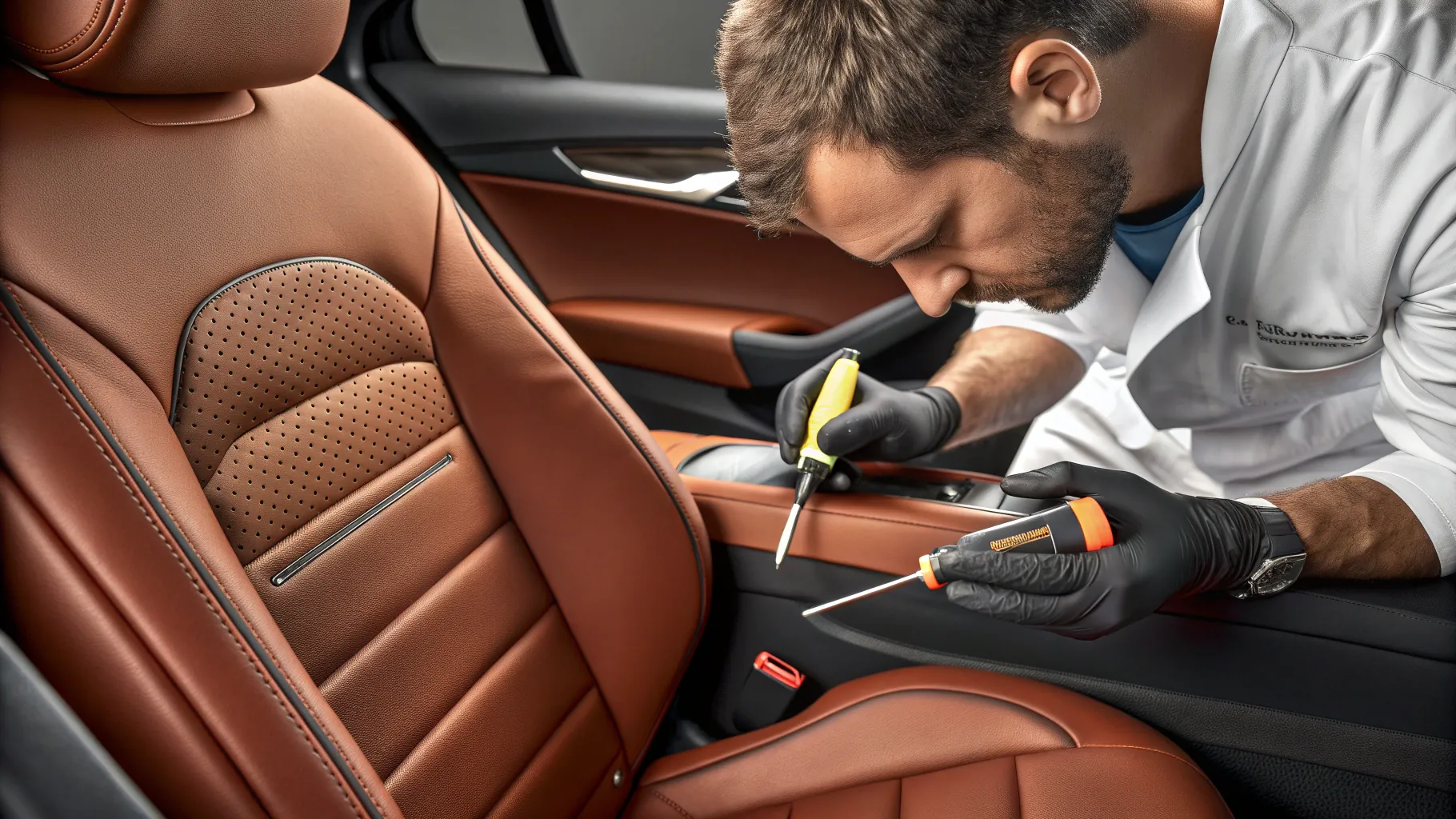
Assessing the Damage
Before you jump into repairs, it's essential to assess the extent of the damage. Here are a few common issues you might encounter:
- Surface Scratches: Light scratches can often be buffed out.
- Cracks: Deep cracks require more involved repair techniques.
- Punctures: Holes from sharp objects can often be filled.
- Stains: These can come from food, beverages, or dye transfer from clothing.
To effectively evaluate the damage, take a close-up look at the affected areas. This inspection will inform your choice of repair method.
Tools and Supplies You Will Need
Having the right tools is crucial when it comes to leather car seat repair. Here’s a list of essential items you may need:
- Leather conditioner
- Leather repair kit (that includes patches, glue, and colorant)
- Soft cloths
- Leather cleaner
- Scissors (for patching)
- Heat source (like a hairdryer for some applications)
With these supplies at hand, you’re ready to tackle minor repairs on your leather seats.
Repairing Scratches
Surface scratches can often be removed with basic leather repair techniques. Start by cleaning the area with a soft cloth and leather cleaner. After it’s clean, apply a small amount of leather conditioner to nourish the leather and potentially hide the scratch. For tougher scratches, you can use a leather repair kit. Follow the instructions in the kit, usually involving applying a matching colorant to blend the scratch in with the seat.
Fixing Cracks
Cracks in leather often occur due to dryness over time. Begin by cleaning the cracked area, then use a leather filler to restore its original texture. Once filled, smooth it out with a spatula or your finger to ensure it’s even with the rest of the seat. Once the filler has dried, apply a matching dye from the repair kit to hide the repair. This method not only fixes the aesthetic but also restores some structural integrity to the leather.
Addressing Punctures and Tears
Punctures and small tears can be more challenging, but they are manageable with the right approach. For small punctures, clean the area thoroughly and apply adhesive from your leather repair kit. From there, cut a small leather patch that matches your seat's color and texture. Place the patch over the puncture and press firmly. This method can be surprisingly effective and often undetectable once completed.
Dealing with Stains
Stains can occur from a variety of sources and may require different approaches. For water stains, gently blot the area with a damp cloth—avoid scrubbing. For grease or ink stains, opt for specialized leather cleaners, as they are designed to remove tough stains without damaging the leather fibers.
Always conduct a spot test with cleaning products on a hidden area to ensure compatibility with your leather. Once cleaned, follow up with a leather conditioner to keep the material supple and protected from future stains.
Prevention Tips for Leather Care
Once your seats are repaired, it’s crucial to implement preventive measures to keep them in pristine condition. Consider the following:
- Regular Cleaning: Dust and clean your leather seats at least once a month with a dedicated cleaner.
- Conditioning: Use a leather conditioner every six months to maintain moisture and flexibility.
- Avoid Direct Sunlight: Parking in direct sunlight can lead to fading and cracking; consider using a sunshade.
- Prompt Treatment: Address spills and stains immediately to prevent them from setting.
By incorporating these tips, you can extend the lifespan of your leather seats significantly.
Getting Professional Help
Sometimes, despite our best efforts, the damage may be too extensive for DIY fixes. In such cases, it might be wise to seek the help of professionals. A skilled upholstery service can offer restoration solutions that will often exceed the quality of a DIY job, ensuring your leather seats look as good as new.
In the current market, you can find upholstery shops with rates that accommodate various budgets. Many now offer mobile services, bringing their expertise directly to your driveway or garage. With professional restoration methods and materials, your leather seats can be completely revitalized at a reasonable price.
In conclusion, repairing your leather car seats can save you money and restore the elegance of your vehicle. With a bit of patience and the right techniques, you can tackle many common issues yourself. Whether addressing scratches, cracks, or stains, these guidelines will surely help revamp your leather seats. Regular maintenance will also keep them looking new for years to come, ensuring your ride remains refined and comfortable. Happy repairing!
Authored by FreshLifeWire team