Effective Tips and Tricks for Better Sleep Without Pills
How to Sleep Good Without Sleeping Pills
In today's fast-paced world, getting a good night's sleep can feel like a daunting task. It’s not uncommon for people to turn to sleeping pills as a solution, but these come with a host of side effects. If you're looking to sleep better without relying on medications, you’re in the right place. Here’s a guide filled with tips and tricks for falling asleep that can help you ease into your dreams naturally, promote restful sleep, and wake up feeling rejuvenated.
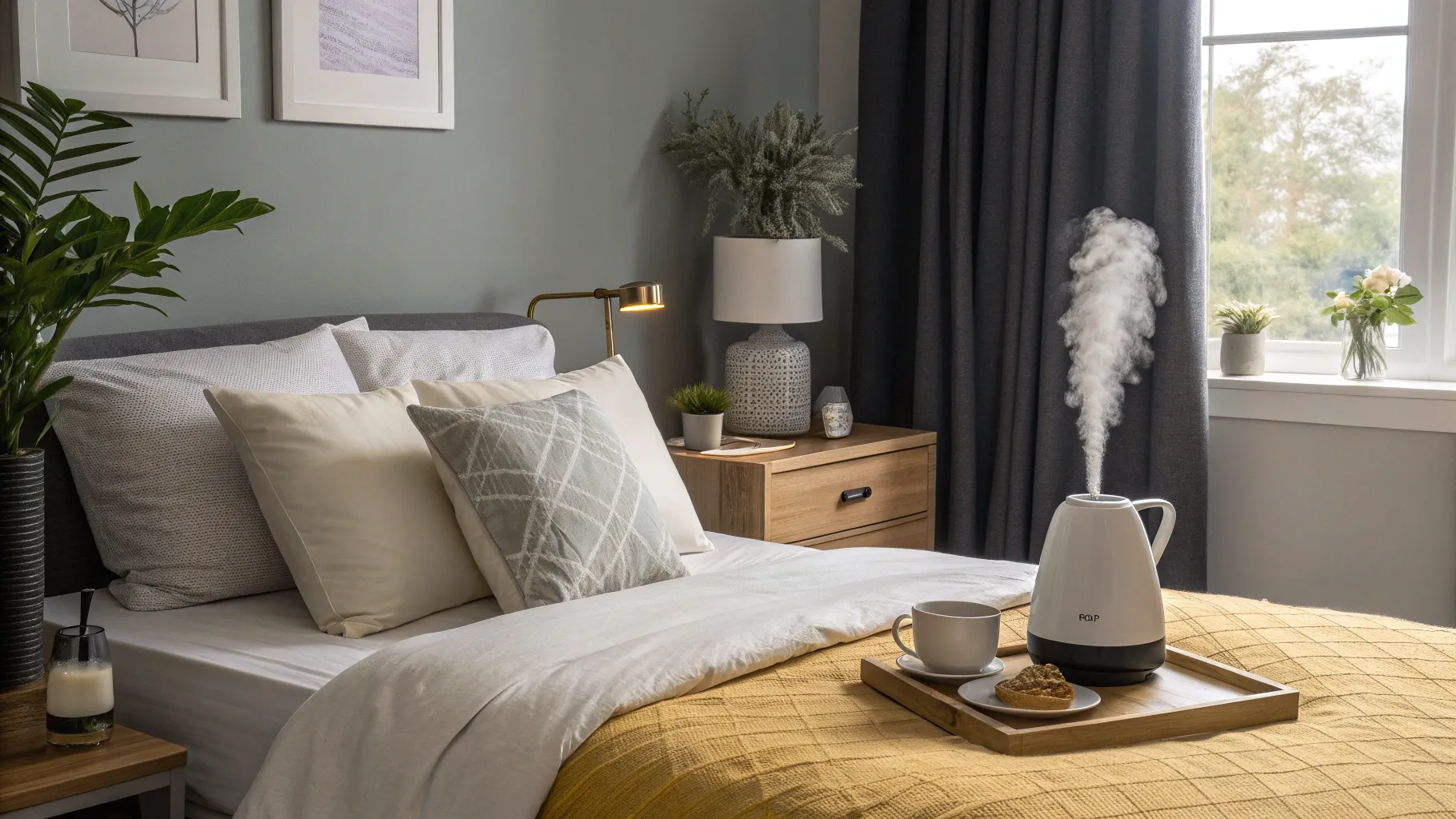
Creating an Ideal Sleep Environment
Your bedroom should be a sanctuary for sleep. To enhance your sleep environment, consider the following:
- Keep It Dark: Darkness stimulates the production of melatonin, the body’s sleep hormone. Use blackout curtains or a sleep mask to shield your sleep from unwanted light.
- Control the Temperature: A cooler room—around 60 to 67 degrees Fahrenheit—is optimal for sleep. Adjust your thermostat or layer your bedding accordingly.
- Reduce Noise: Consider soundproofing your room or using a white noise machine to cover up disruptive noises.
- Choose Comfortable Bedding: Invest in a mattress and pillows that provide the support you need. Comfort is essential for falling and staying asleep.
Developing a Sleep Routine
Routines can make a significant difference in your sleep quality. Regularity signals your body when it’s time to wind down. Here’s how to establish a sleep routine:
- Set a Consistent Schedule: Go to bed and wake up at the same time every day, even on weekends. This helps regulate your circadian rhythms.
- Wind Down Before Bed: Create a pre-sleep routine that calms your mind. Activities like reading, meditating, or taking a warm bath can prepare your body for rest.
- Avoid Screens: The blue light emitted by phones, TVs, and computers can interfere with melatonin production. Aim to stop using electronics at least an hour before bedtime.
Natural Relaxants for Better Sleep for Seniors
For seniors, maintaining restful sleep becomes increasingly critical. Here are some effective natural relaxants that can aid in achieving better sleep:
- Herbal Teas: Chamomile, valerian root, and lavender teas are known for their calming properties. Drinking a cup of herbal tea in the evening can help soothe your nerves.
- Magnesium Supplements: Magnesium is a mineral that can help relax muscles and calm the nervous system. Foods rich in magnesium, such as leafy green vegetables, nuts, and seeds, or supplements may help with sleep.
- Aromatherapy: Essential oils such as lavender and bergamot can promote relaxation. Using an essential oil diffuser in your bedroom can create a tranquil atmosphere for sleep.
Living a Sleep-Friendly Lifestyle
What you do during the day can heavily influence your sleep at night. Here are a few lifestyle changes you can implement:
- Exercise Regularly: Regular physical activity can help you fall asleep faster and enjoy deeper sleep. Aim for at least 150 minutes of moderate aerobic activity weekly, but avoid vigorous exercise close to bedtime.
- Limit Caffeine and Alcohol: Stimulants like caffeine can stay in your system for hours and disrupt your sleep. Likewise, while alcohol might make you sleepy initially, it can interfere with your sleep cycle later on.
- Practice Mindfulness: Techniques like mindfulness meditation or gentle yoga can enhance relaxation and help quiet a racing mind before bed.
How to Get off the Sleeping Pills
If you’ve been using sleeping pills, transitioning off of them can be challenging but achievable with the right strategies:
- Consult with Your Doctor: Always talk to your healthcare provider before making changes to your sleep medication regimen. They can help implement a tapering strategy to minimize withdrawal symptoms.
- Gradually Reduce Dosage: Instead of stopping abruptly, gradually lower your dose. This approach can ease withdrawal symptoms and make the transition smoother.
- Implement Natural Sleep Aids: As you reduce your pill intake, integrate natural ways to calm your mind, such as those mentioned above.
How to Wake Up Feeling More Rested
Waking up refreshed is just as important as falling asleep well. Here are some tips to help you rise feeling revitalized:
- Natural Light Exposure: Open the curtains as soon as you wake up to allow natural sunlight in. Light exposure can help reset your internal clock.
- Stay Hydrated: Drink a glass of water first thing in the morning to kickstart your metabolism and rehydrate after a night’s sleep.
- Avoid Hitting Snooze: Try to resist the urge to snooze. Instead, place your alarm across the room to encourage you to get up immediately.
By implementing these strategies, you can significantly improve your sleep quality without the need for sleeping pills. Customize your sleep environment, establish routines, and embrace natural sleep aids to support your journey toward restorative sleep. Make these adjustments, and you'll find yourself waking up more refreshed and ready to take on the day.
With dedication and persistence, you can unlock the secret to better sleep and ultimately enjoy a healthier and happier life.
Authored by FreshLifeWire team