Effective Stroke Recovery Strategies for Adults
Understanding Stroke Recovery in Adults
Every year, millions of adults suffer from strokes, which can lead to significant changes in mobility, communication, and overall quality of life. In the journey of stroke recovery, a robust rehabilitation strategy can make an immense difference. By focusing on rehabilitation, physical therapy, occupational therapy, and speech therapy, we can enhance the recovery process. This article dives deep into the critical aspects of stroke recovery in adults, showcasing methods and strategies that have proven beneficial, especially in recent months.
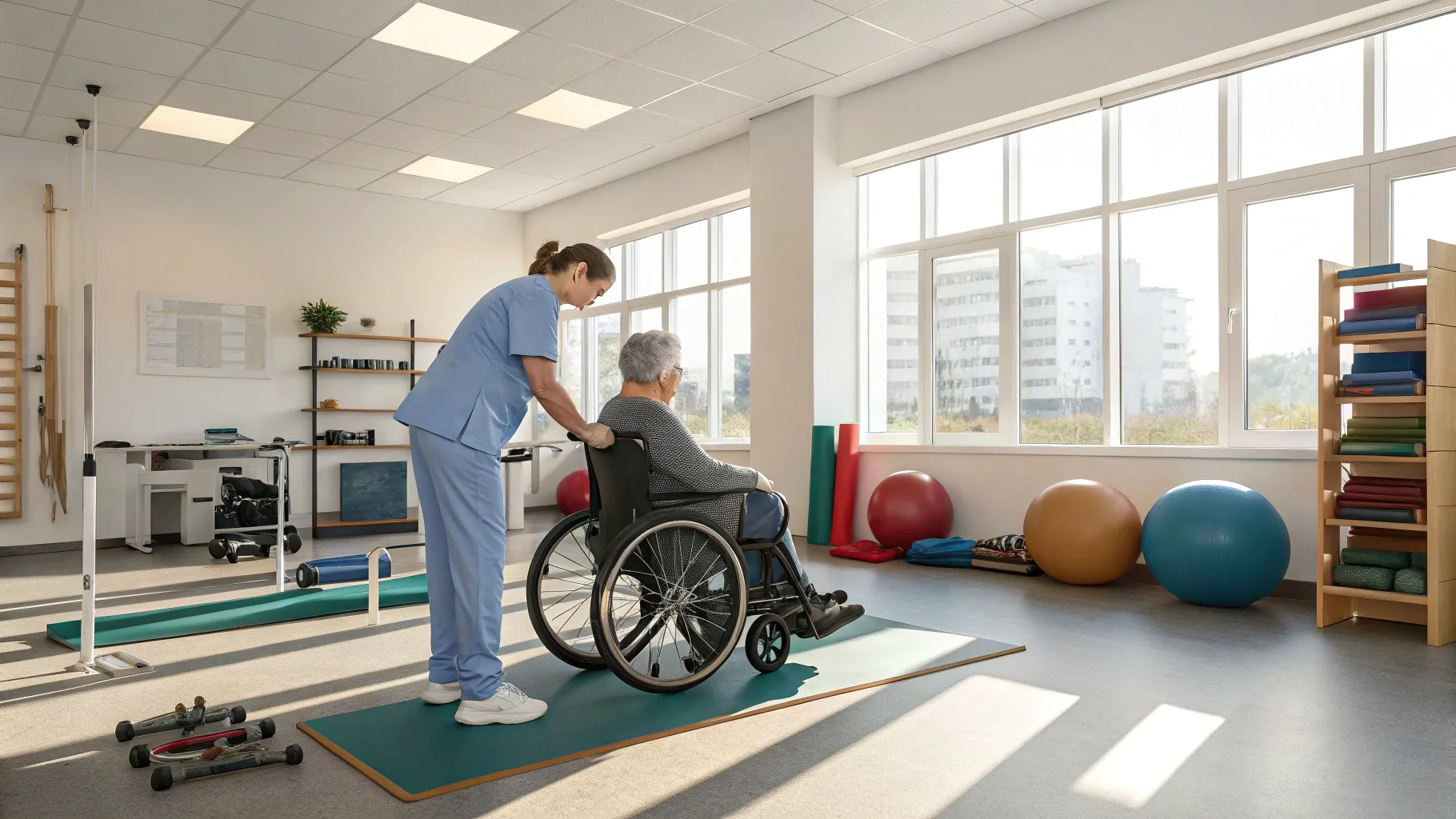
Rehabilitation: The Backbone of Stroke Recovery
Rehabilitation is fundamental for anyone recovering from a stroke. It encompasses various therapeutic interventions aimed at rebuilding physical function, improving speech, and aiding daily activities. Research has shown that the sooner rehabilitation starts after a stroke, the better the prognosis. In fact, studies from early 2025 indicate that patients who begin rehabilitation within the first few days post-stroke often show a greater percentage of recovery in mobility and independence.
Today, stroke recovery involves a multidisciplinary approach. The team often consists of:
- Physiotherapists: Focused on physical mobility and strength.
- Occupational Therapists: Aiding in daily living activities and ensuring adaptations are made to maximize independence.
- Speech Therapists: Supporting patients with communication and swallowing difficulties.
- Nutritionists: Managing diet and nutrition to support the healing process.
Physical Therapy: Regaining Mobility
Physical therapy plays a pivotal role in the recovery of motor functions after a stroke. By focusing on strength, balance, and coordination exercises, therapists help patients regain mobility. Current therapies often employ state-of-the-art technology, including robotic-assisted therapy gear and virtual reality systems, which have shown promising results in rehabilitation settings. In a recent clinical trial conducted in January 2025, patients using robotic technology in therapy demonstrated a 25% greater recovery rate in motor skills compared to traditional therapies alone.
Emerging technologies aren’t the only innovations in physical therapy; tailored exercise programs that include aerobic and strength training are essential in managing health outcomes, including blood pressure control. High blood pressure can lead to further complications, making it imperative that recovery includes strategies for monitoring and managing these vital statistics.
Occupational Therapy: Skills for Daily Living
While physical therapy tackles mobility, occupational therapy focuses on enhancing the ability to perform daily tasks. Whether it's getting dressed, cooking, or even personal hygiene, therapists work with patients to develop adaptive strategies and technologies that empower them to live more independently. Recent case studies reveal that adults who engaged in personalized occupational therapy sessions experienced significant improvements in their quality of life and a decrease in caregiver reliance.
These therapists often use everyday tasks as a method of therapy, reinforcing motor skills while enhancing cognitive function. For a stroke survivor, learning to relearn tasks may involve using assistive devices or modifying the home environment. For instance, in a recent workshop held in March 2025, local therapy clinics showcased adaptive equipment ranging from ergonomic kitchen tools to specially designed bathing aids, enabling clients to regain confidence in their abilities.
Speech Therapy: Communication is Key
A significant number of stroke survivors experience speech and language challenges that can affect communication with loved ones and professional life. Speech therapy concentrates on improving language skills, speech production, and even swallowing function. Innovative techniques such as teletherapy have become increasingly popular, allowing patients to continue their therapy remotely, especially beneficial during challenging times or for those in rural areas. Recent statistics show a 30% increase in patient satisfaction with teletherapy services compared to traditional in-person sessions.
One notable success story involves a 62-year-old man who used these services for three months after a stroke, eventually returning to his job as a customer service representative. His ability to communicate effectively improved significantly, showcasing just how impactful speech therapy can be in the journey of stroke recovery.
Managing Stroke Complications and Comorbidities
Complications after a stroke can arise, making recovery even more challenging. Blood pressure management is a crucial factor in preventing further strokes and health complications. Ongoing monitoring and lifestyle modifications are essential. Research indicates that maintaining blood pressure within recommended levels can decrease the risk of having another stroke by as much as 30%.
Healthcare professionals emphasize the importance of medication adherence and lifestyle changes, including a heart-healthy diet, regular physical activity, and smoking cessation. For many stroke survivors, adherence to these lifestyle changes can lead to significant improvements in overall health.
It is crucial that patients and caregivers are equipped with proper education about the symptoms of potential complications, such as deep vein thrombosis (DVT), which can develop due to reduced mobility. By being vigilant and aware, families can catch complications early, allowing for immediate intervention.
Real-World Impact and Moving Forward
The path of stroke recovery may be fraught with challenges, but it is equally filled with opportunities for growth and improvement. Everyday actions, supported by ongoing therapy and healthcare guidance, can lead to remarkable changes. As we witness advancements in rehabilitation techniques and greater awareness of the importance of holistic care, the future looks promising for stroke survivors and their families.
In sum, stroke recovery is a multifaceted process that requires a team approach. By incorporating rehabilitation practices that include physical therapy, occupational therapy, and speech therapy, alongside proactive blood pressure management, individuals can achieve incredible strides in their recovery journey. As more adults are empowered by these methodologies, it is evident that meaningful progress is not only possible but probable.
Authored by FreshLifeWire team