Effective Sound Therapy for Tinnitus Benefits and Costs
Understanding Sound Therapy for Tinnitus
Tinnitus, often described as a ringing or buzzing in the ears, affects millions worldwide. In 2025, the prevalence of tinnitus continues to impact individuals across various age groups, with studies indicating that about 15% of adults report experiencing some form of this condition. However, advancements in sound therapy for tinnitus have brought hope to many suffering from this annoying auditory symptom.
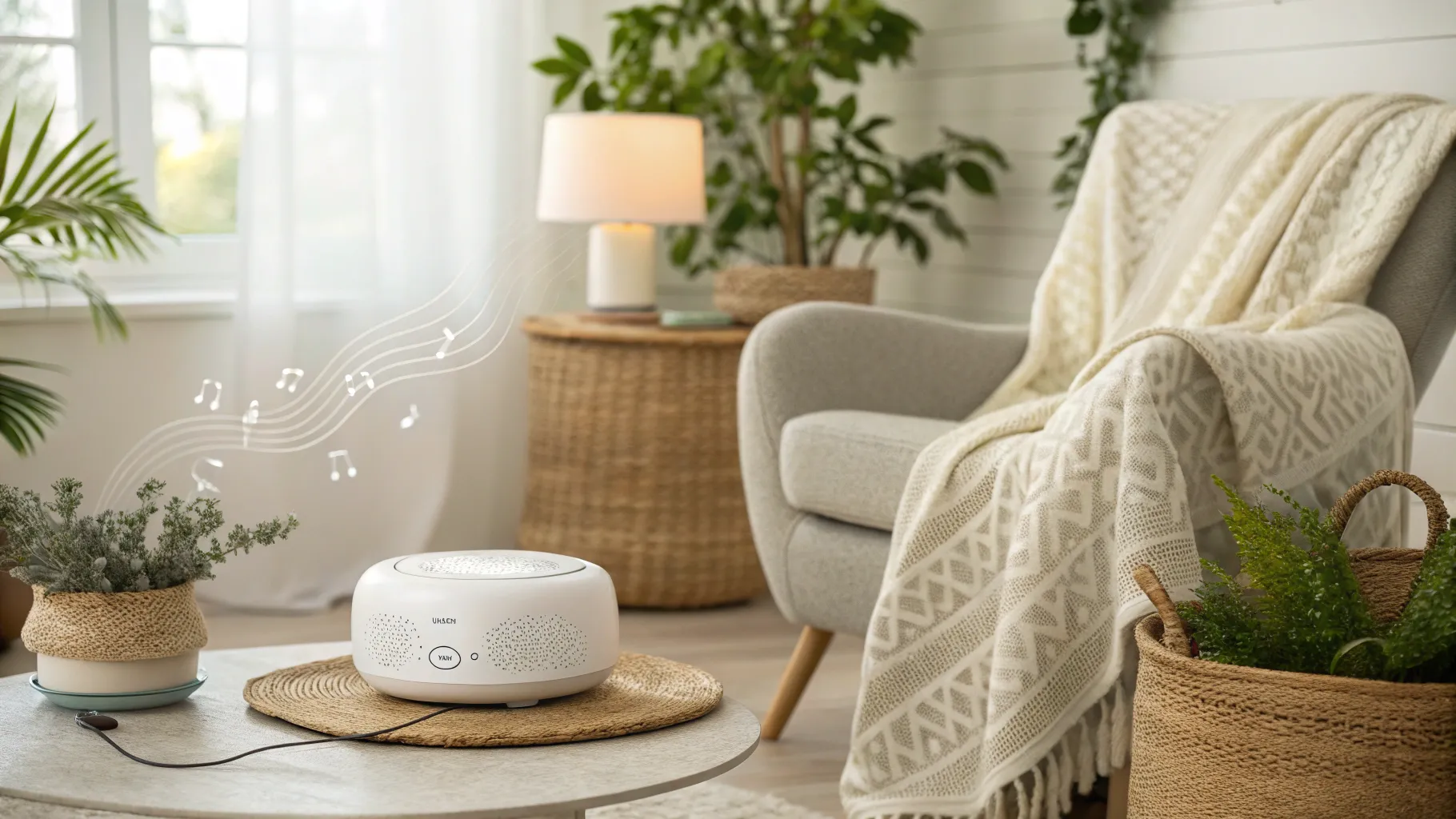
But what exactly is sound therapy for tinnitus? Essentially, it is a treatment designed to help manage the perception of sound in the ears, utilizing various soundscapes to mask or reduce the startling effects of tinnitus. This therapy can be delivered in numerous ways, including the use of white noise machines, nature sounds, or customized audio tracks specifically tailored to individual needs.
Benefits of Sound Therapy for Tinnitus
The benefits of sound therapy for tinnitus are manifold and offer significant enhancements to the quality of life for many people. Here are some key advantages:
- Distraction from Tinnitus: Sound therapy acts as a form of distraction, allowing individuals to focus on pleasant sounds instead of the persistent ringing in their ears.
- Improved Sleep Quality: Many tinnitus sufferers struggle with sleep disturbances due to the constant noise. Sound therapy can provide a calming background noise that promotes better sleep.
- Reduced Anxiety and Stress: By creating a more soothing auditory environment, sound therapy can help lessen the anxiety and stress often associated with tinnitus.
- Better Concentration: When the noise of tinnitus is masked, individuals often find it easier to concentrate, leading to improved productivity in work and daily tasks.
Recent studies have shown that incorporating sound therapy into daily routines can significantly enhance emotional well-being. For instance, in a 2025 survey by the American Tinnitus Association, over 70% of participants reported that sound therapy greatly improved their quality of life. Such feedback underscores the growing recognition of this therapy's efficacy in managing the burdens of tinnitus.
Short-term Effects of Sound Therapy for Tinnitus
The short-term effects of sound therapy are usually quite noticeable and can vary from individual to individual. Many users experience an immediate reduction in the perception of tinnitus when exposed to masking sounds. This effect is often experienced during initial sessions as individuals become accustomed to the new auditory environment.
Moreover, sound therapy can provide immediate relief in stressful situations where tinnitus symptoms may flare up, such as in quiet settings or when trying to sleep. The white noise generators can effectively mask the tinnitus sounds, resulting in a sense of calm.
Long-term Effects of Sound Therapy for Tinnitus
While short-term benefits are crucial for immediate relief, the long-term effects of sound therapy for tinnitus are equally significant. Research indicates that ongoing use of sound therapy can help the brain rewire itself, significantly decreasing the perception of tinnitus over time.
Clients frequently report that, after several weeks to months of consistent sound therapy, they become less reactive to their tinnitus. They often discover that they can ignore the sounds entirely in situations that once felt unbearable. Some case studies from 2025 illustrate remarkable transformations in patients who committed to sound therapy long-term:
- One individual shared that after four months of daily sound therapy, they no longer experienced any negative impact on their social life, allowing them to engage freely in conversations without being distracted by tinnitus.
- Another reported that regular exposure to soundscapes helped foster a threefold improvement in sleep quality over six months, leading to better overall mental health.
Additionally, professionals in audiology have documented long-term satisfaction with sound therapy among their patients, noting improved coping mechanisms for dealing with persistent tinnitus.
Cost of Sound Therapy for Tinnitus
The cost associated with sound therapy for tinnitus can vary widely depending on the method and technology used. At-home sound therapy options, such as mobile apps or white noise machines, typically range from $20 to $100. Many people find these solutions to be a convenient and affordable way to begin treatment.
On the other hand, professional sound therapy services offered by audiologists can run higher, often ranging from $100 to $300 per session. Many providers recommend ongoing sessions to maximize benefits, which can lead to larger cumulative expenses. However, for many, the investment is justified considering the marked improvements in daily life, sleep quality, and emotional well-being that sound therapy can provide.
In some cases, health insurance may cover parts of sound therapy, particularly for individuals whose tinnitus is associated with other medical conditions. It's worthwhile for patients to check with their insurance providers to see what options are available.
Final Thoughts on Sound Therapy for Tinnitus
In 2025, sound therapy for tinnitus stands out as a beacon of hope for those grappling with this often-debilitating condition. With its ability to offer immediate and long-lasting benefits, including enhanced quality of life, it is a compelling option for many seeking relief. Whether through at-home devices or professional services, sound therapy continues to gain traction as an effective method to alleviate the burdens of tinnitus, providing significant improvements to those affected.
As awareness and availability of sound therapy increase, more individuals are likely to explore this innovative approach to managing their tinnitus, leading to healthier, happier lives free from the constraints of pervasive auditory disturbances.
Authored by FreshLifeWire team