Effective Sleep Apnea Treatments for Better Night Breathing
Sleep Apnea Treatments For Easier Breathing Through The Night
Sleep apnea is a common disorder characterized by repeated interruptions in breathing during sleep. These disruptions can lead to poor sleep quality, causing tiredness during the day and a range of health issues over time. If you're wondering why do I stop breathing during sleep, it’s important to understand the underlying causes and the available treatments. In this article, we will explore various treatments for sleep apnea at night, including CPAP therapy, oral appliances, lifestyle changes, and more.
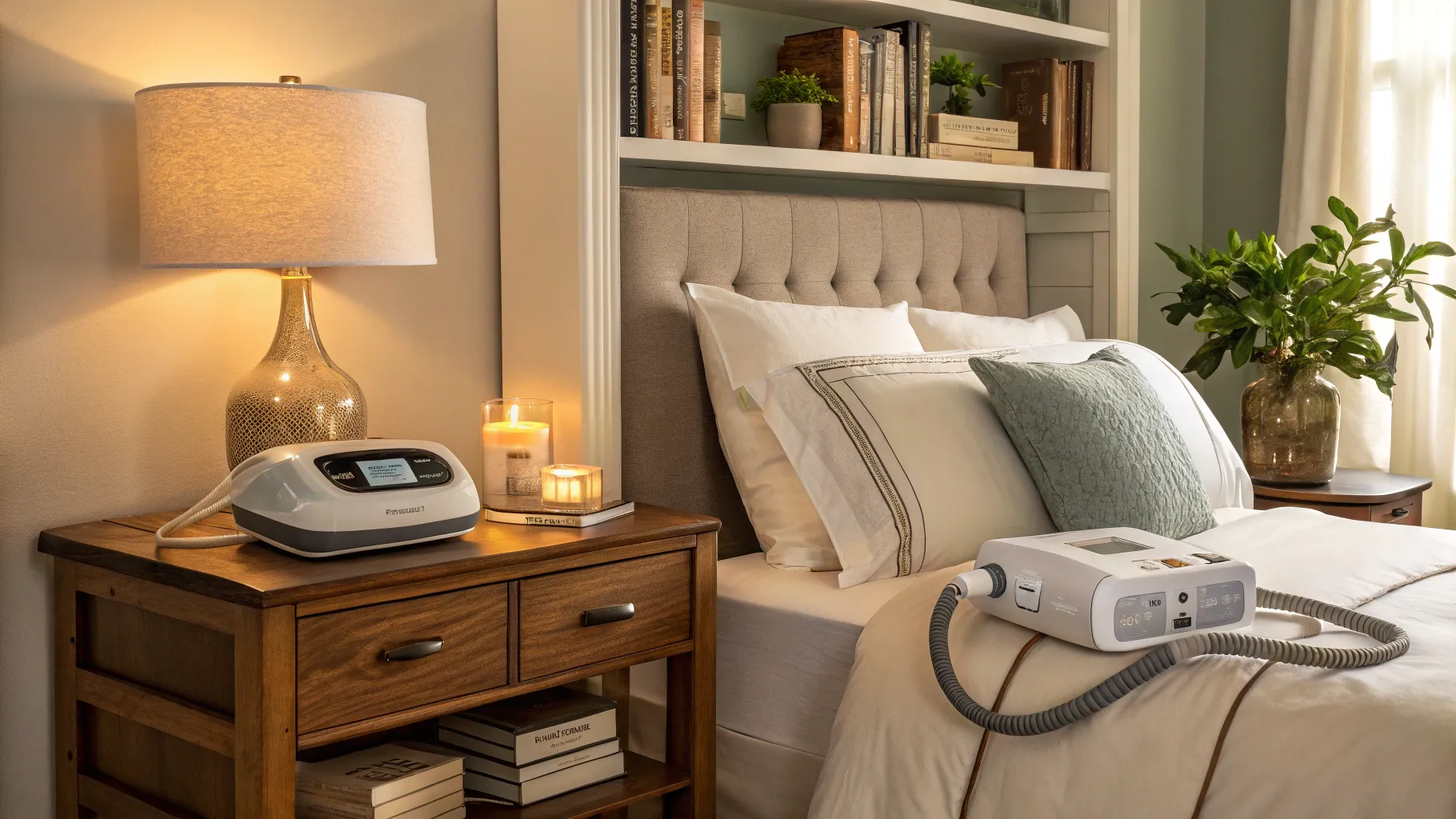
CPAP Therapy for Sleep Apnea
CPAP, or Continuous Positive Airway Pressure, therapy remains one of the most popular treatments for sleep apnea. As of 2025, recent studies indicate that about 80% of patients who adhere to CPAP therapy find substantial relief from their symptoms. A CPAP machine provides a steady stream of air through a mask, preventing the airway from collapsing during sleep.
The comfort and efficacy of CPAP treatment largely depend on the type of mask used. Shoppers today can explore a variety of options, with the best CPAP masks for comfort including nasal cushions, full-face masks, and nasal pillows to suit different preferences. A mask that fits well can dramatically improve compliance, making it easier for users to breathe through the night.
It's essential to choose the right machine based on individual needs. Some users may benefit from an APAP machine, which automatically adjusts air pressure throughout the night based on breathing patterns. In contrast, the BiPAP machine provides different pressures for inhalation and exhalation, making it a good option for individuals with specific respiratory challenges.
CPAP vs APAP vs BiPAP
- CPAP: Constant air pressure, great for straightforward cases of sleep apnea.
- APAP: Adapts pressure based on real-time breathing patterns, ideal for fluctuating needs.
- BiPAP: Helpful for those needing assistance with exhalation; suitable for complex cases.
Overall, understanding the differences among these therapies helps users make informed decisions about the equipment suitable for their unique situation.
Oral Appliances and Sleep Apnea Mouthpieces
For those who experience mild to moderate sleep apnea, oral appliances may serve as an effective treatment option. These devices, often referred to as sleep apnea mouthpieces, are designed to reposition the lower jaw and tongue to keep the airway open during sleep. Current research shows that about 50% of patients using oral appliances report significant improvements in their symptoms. Custom-fitted devices crafted by dental professionals ensure comfort and effectiveness, enabling users to breathe better at night.
Both CPAP and oral appliances present significant benefits, but they suit different preferences. Anyone considering these devices should consult with a healthcare provider to assess the most appropriate treatment.
Positional Therapy for Sleep Apnea
Interestingly, sleep position plays a crucial role in sleep apnea severity. Many individuals find that sleeping on their back worsens their symptoms. Positional therapy involves training oneself to sleep on their side rather than their back, which may help alleviate symptoms for some. Special pillows or wearable devices can provide gentle reminders to maintain a side-sleeping position throughout the night. This simple method has seen promising outcomes, resulting in reduced apnea events for many users.
Lifestyle Changes for Sleep Apnea Improvement
Aside from medical treatments, implementing lifestyle changes can significantly impact sleep apnea symptoms. As seen in numerous case studies from the past year, incorporating weight loss into the treatment plan plays a substantial role. Current data suggests that each 10% reduction in body weight can lead to approximately 26% improvement in apnea episodes. Engaging in regular physical activity and adopting a balanced diet not only promote weight loss but also enhance overall health.
Moreover, avoiding alcohol and smoking can significantly improve sleep quality. Alcohol can relax the throat muscles and increase the likelihood of airway collapse, while smoking is linked to inflammation and fluid retention in the airway.
Surgery for Sleep Apnea
In some cases, surgical intervention may be necessary. Various surgical options exist, including uvulopalatopharyngoplasty (UPPP), which removes excess tissue from the throat to widen the airway, and maxillomandibular advancement, which repositions the jaw to keep the airway open. In recent months, a select number of patients have reported life-changing improvements following surgical procedures, making this a viable option for those whose symptoms do not respond to other treatments.
Before opting for surgery, a thorough evaluation with a sleep specialist is essential. They can determine if surgical intervention is warranted based on the severity of sleep apnea and the patient's overall health.
Ultimately, managing sleep apnea involves a combination of treatments tailored to the individual’s needs. While CPAP therapy remains the gold standard, alternatives like oral appliances and lifestyle modifications can also offer relief and improvements in overall wellbeing. If you suspect you have sleep apnea or have been diagnosed with it but feel your current treatment isn't effective, it is crucial to speak with a healthcare provider about the options available to enhance your daytime alertness and night-time breathing.
Authored by FreshLifeWire team