Effective Nasal Polyps Treatment Options Without Surgery
Nasal Polyps Treatment Options
Nasal polyps are soft, noncancerous growths found in the nasal passages and sinuses. These growths often arise from chronic inflammation in the nasal lining, linked to conditions such as asthma, allergies, and ongoing sinus infections. If you are dealing with nasal polyps, understanding treatment options is crucial for relief and enhancing your overall well-being.
Understanding the Risks of Self-Removal
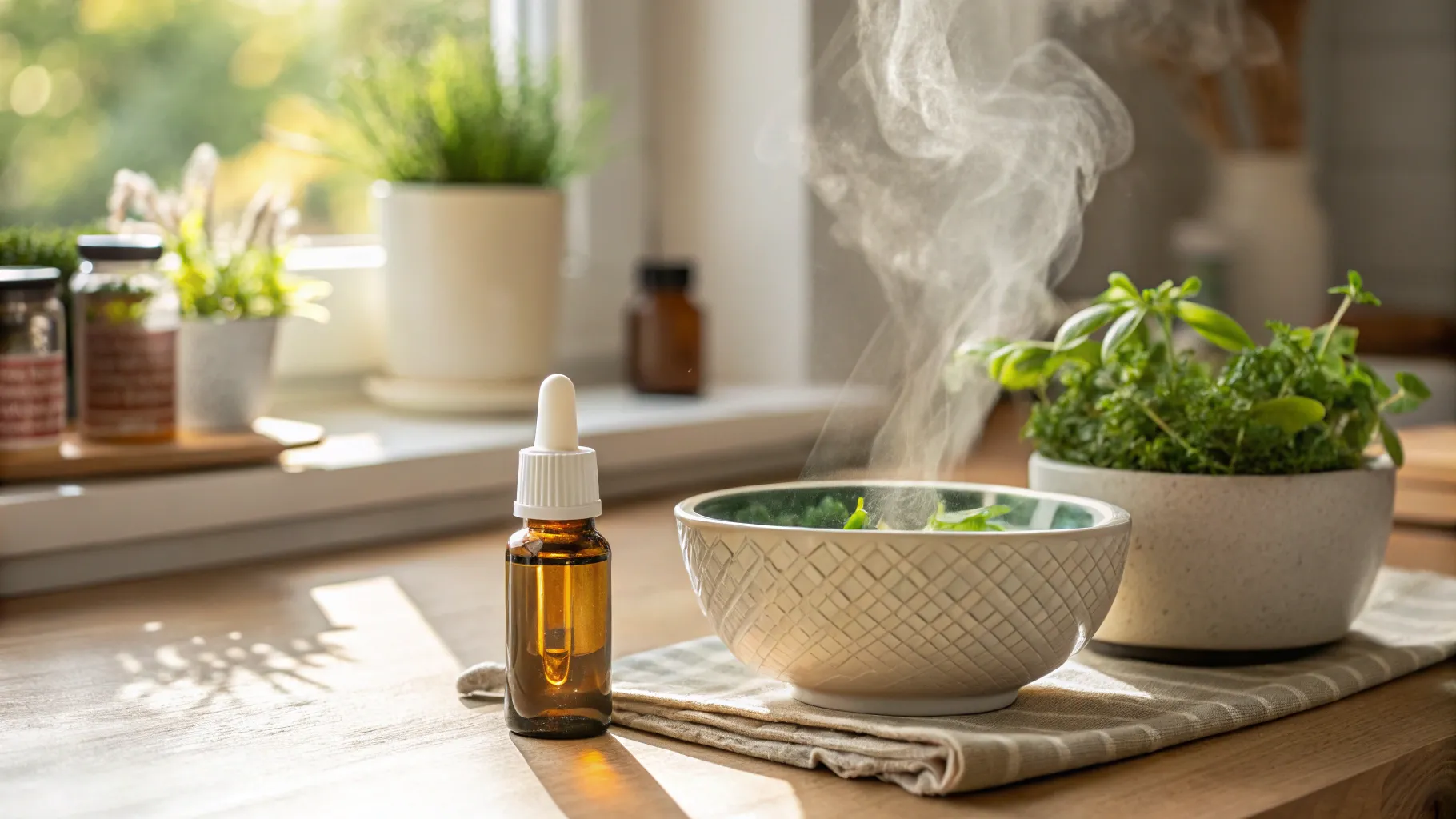
While it may be tempting to explore home remedies to treat nasal polyps, self-removal is strongly discouraged. The underlying inflammation plays a key role in polyp formation, and addressing it is the best strategy. Consider these safer, home-based approaches:
- Saline nasal irrigation: Regularly rinsing nasal passages with a saline solution is beneficial for clearing irritants and alleviating symptoms. While this method won't eliminate polyps, it can help reduce inflammation.
- Steam inhalation: Inhaling steam or using a humidifier helps to open nasal passages. Though this provides temporary symptom relief, it will not remove polyps or address the root cause.
- Essential oils: Some individuals find comfort in inhaling essential oils, such as eucalyptus or peppermint. Despite anecdotal benefits, it’s always wise to consult a healthcare provider before use, particularly for those with existing respiratory issues.
It’s critical to highlight that attempting to physically remove nasal polyps is dangerous. It is always best to consult with a qualified healthcare professional who can offer safe treatment and management recommendations.
Non-Surgical Approaches to Treat Nasal Polyps
Many people are relieved to learn that effective treatments for nasal polyps exist without the need for surgery. Here’s an overview of the various non-surgical options currently available:
1. Corticosteroid Nasal Sprays
Corticosteroid nasal sprays rank as the primary treatment for managing nasal polyps. These medications aim to diminish inflammation within the nasal passages, which in turn can shrink polyps. Common choices include Fluticasone and Mometasone. According to recent studies, approximately 50% of individuals using these sprays experience a noticeable reduction in polyp size within just a few weeks. It’s worth noting that consistency in usage is vital for sustaining results.
2. Oral Corticosteroids
For patients with significantly large polyps, or those who show minimal responses to nasal sprays, healthcare providers may prescribe oral corticosteroids. These medications can rapidly diminish inflammation and lead to considerable reduction in polyp size. However, due to the potential for side effects from long-term use, this type of treatment is usually recommended for short durations only.
3. Biologic Therapies
The emergence of biologic therapies has transformed how we approach nasal polyp treatment. One promising medication is Dupilumab, which has demonstrated remarkable effectiveness. In recent clinical trials, as many as 60% of participants reported significant improvements in symptoms and reductions in polyp size after several months of treatment. Biologics work by targeting specific inflammatory pathways, representing a personalized treatment strategy for those suffering from chronic sinusitis along with nasal polyps.
4. Allergy Management Techniques
For individuals whose nasal polyps are exacerbated by allergies, effective management of those allergies can lead to symptom relief. Antihistamines or immunotherapy, such as allergy shots, can help control allergic reactions, thereby alleviating some inflammation within the nasal passages. This holistic approach focuses on reducing exposure to allergens and managing allergic rhinitis effectively.
5. Lifestyle Modifications for Better Sinus Health
Implementing small yet impactful lifestyle adjustments can significantly enhance the management of nasal polyps. Here are a few practical tips:
- Hydration: Staying well-hydrated helps thin mucus, thereby supporting easier breathing and minimizing congestion.
- Avoid Irritants: Steering clear of tobacco smoke, strong fragrances, and environmental allergens can reduce nasal passage irritation and inflammation.
- Home Environment Enhancements: The use of air purifiers can improve indoor air quality, while humidifiers can add necessary moisture to the air, helping to soothe dry nasal passages.
When Surgery Becomes Necessary for Nasal Polyps
In some cases, surgery is required when nasal polyps grow large enough to hinder breathing or cause chronic discomfort. The standard surgical procedure used is known as Functional Endoscopic Sinus Surgery (FESS). This minimally invasive approach focuses on removing polyps and correcting any anatomical issues within the sinuses. Patients who undergo this procedure often report greatly improved breathing and an enhancement in their quality of life during recovery.
Health Implications of Nasal Polyps
It’s crucial to understand that while nasal polyps themselves are not cancerous and generally harmless, they can lead to serious complications if left untreated. These complications may include chronic sinus infections or even sleep apnea conditions. Therefore, timely intervention should not be overlooked to manage symptoms and prevent future health concerns.
Staying attuned to your body and working closely with a healthcare provider is vital. If you experience persistent nasal blockage, a loss of smell, or frequent sinus infections, taking these signals seriously and seeking medical care is important. In today’s medical landscape, effective treatment options ranging from non-surgical methods to surgical interventions are available, ensuring that relief from nasal polyps is within reach for anyone affected.
Authored by FreshLifeWire team