Effective Meal Plans for People With Parkinsons in 2025
Meal Plans for People With Parkinson's
Parkinson's disease is a complex neurological disorder that affects millions of people globally. In the United States alone, nearly one million individuals are navigating life with Parkinson's as we progress through 2025. This condition impacts movement and coordination, which can complicate daily activities and diminish quality of life. A critical yet often underrated aspect of managing Parkinson's is nutrition. Well-planned meal strategies can positively influence health outcomes by helping to alleviate symptoms and foster a more enjoyable dining experience.
Understanding Nutrition for Parkinson's Disease
Every person with Parkinson's has distinct dietary needs shaped by several factors, including disease progression, personal preferences, and lifestyle. Recent research emphasizes the significant link between nutrition and neurological function, underscoring the importance of a tailored diet in managing Parkinson's symptoms effectively. There are several key dietary components to keep in mind:
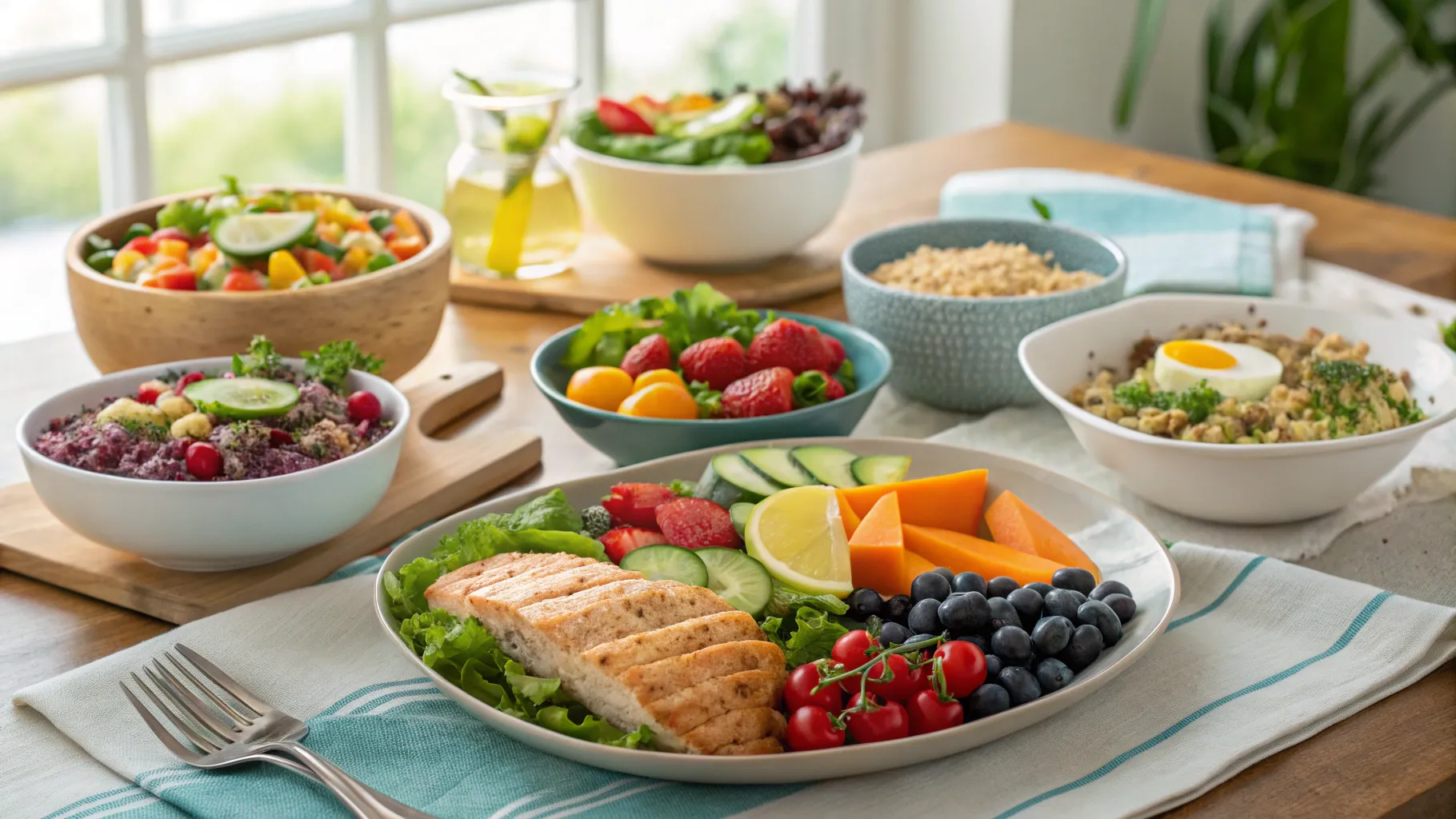
- Fiber-Rich Foods: Constipation is a common concern for individuals with Parkinson's. Including high-fiber foods, such as fruits, vegetables, and whole grains, in daily meals can help minimize discomfort and promote healthy digestion.
- Protein Timing: Those taking medications like Levodopa should be mindful of their protein intake. Consuming protein in smaller amounts throughout the day can enhance medication efficacy, allowing for better symptom management.
- Healthy Fats: Omega-3 fatty acids are recognized for their anti-inflammatory properties and benefits to brain health. Fish, walnuts, flaxseeds, and avocados should be integral parts of meal plans, promoting overall wellness.
Weekly Meal Plan Examples for Individuals With Parkinson's
Creating a structured meal plan tailored to the nutritional requirements of individuals with Parkinson's can enhance their overall well-being. The following week-long menu is designed to incorporate variety and nourishment, making each meal both healthy and enjoyable.
Day 1
- Breakfast: Oatmeal topped with sliced strawberries and a tablespoon of chia seeds delivers a fiber-rich and nutrient-dense breakfast.
- Snack: An apple with a tablespoon of peanut butter serves as a balanced snack of protein and healthy fats.
- Lunch: A colorful spinach salad with grilled chicken, cherry tomatoes, and sunflower seeds provides a wholesome midday meal.
- Snack: Greek yogurt with honey and a handful of berries creates a satisfying yet nutritious treat.
- Dinner: Baked halibut paired with quinoa and steamed asparagus presents a protein-rich and filling end to the day.
Day 2
- Breakfast: A nutrient-packed smoothie made with kale, banana, and almond milk kick-starts the day with essential vitamins.
- Snack: Sliced bell peppers with hummus provide a crunchy, fiber-rich option.
- Lunch: A hearty bean soup accompanied by whole grain bread offers warmth and essential nutrients.
- Snack: A mix of almonds and dried fruit gives energy without added sugars.
- Dinner: Tofu stir-fried with broccoli and served over brown rice ensures a balanced vegetarian meal.
Day 3
- Breakfast: Scrambled eggs with diced tomatoes alongside whole grain toast provide a protein-rich morning meal.
- Snack: A bowl of mixed berries provides a delightful burst of antioxidants.
- Lunch: A quinoa salad with black beans, corn, and diced avocado delivers a complete meal rich in protein and healthy fats.
- Snack: Cottage cheese with pineapple offers a sweet, protein-packed option.
- Dinner: Grilled shrimp with vegetable stir-fry and brown rice makes for a flavorful and nutritious meal.
Day 4
- Breakfast: Chia seed pudding topped with mixed fruits enriches mornings with healthy fats and fiber.
- Snack: A ripe banana with almond butter provides a delicious burst of energy.
- Lunch: Turkey lettuce wraps with avocado offer a low-carb, nutrient-dense option.
- Snack: Rice cakes with cream cheese and cucumber slices provide a satisfying light snack.
- Dinner: Lean beef tacos stuffed with colorful veggies promise a fulfilling meal.
Day 5
- Breakfast: Whole grain pancakes topped with blueberries and a drizzle of real maple syrup deliver a comforting breakfast.
- Snack: A hard-boiled egg is a great source of protein and healthy fats.
- Lunch: A Mediterranean bowl featuring quinoa, feta, olives, and cucumbers packs in layers of flavor and nutrition.
- Snack: Celery sticks with peanut butter offer a classic crunchy snack.
- Dinner: Grilled chicken breast with roasted sweet potatoes and green beans represents a complete and satisfying meal.
Day 6
- Breakfast: A smoothie bowl made with banana, spinach, and a sprinkle of seeds makes a refreshing start to the day.
- Snack: Lightly salted air-popped popcorn provides a fiber-filled crunch.
- Lunch: A vegetable stir-fry with tofu on whole grain rice lends itself to healthy eating.
- Snack: A handful of mixed nuts keeps energy levels steady throughout the day.
- Dinner: Baked trout with roasted Brussels sprouts ends the week on a healthy note.
Day 7
- Breakfast: Whole grain toast topped with smashed avocado and poached eggs gives an energizing kick.
- Snack: Fresh peach slices offer a naturally sweet treat.
- Lunch: Chicken salad with Greek yogurt served in whole-wheat wraps provides a protein-rich meal.
- Snack: Yogurt parfait layered with oats and berries makes for a delightful afternoon snack.
- Dinner: Stuffed zucchini boats with ground turkey and rice combine deliciousness with nutrition.
This seven-day meal plan emphasizes variety and nutrient density, showing that it is entirely possible for individuals with Parkinson's to enjoy their meals while prioritizing health. It's essential for caregivers to adjust these recommendations according to individual preferences, dietary restrictions, and cooking skills, all while encouraging a positive dining environment.
Hydration and Supplementation
Staying hydrated is crucial for everyone, especially individuals with Parkinson's, who may experience dehydration as a side effect of medications or lifestyle changes. The current guideline suggests a target of about eight glasses of water daily, supplemented by hydrating foods like cucumbers, fruits, and soups.
Consulting with healthcare professionals regarding dietary supplements—such as omega-3 fatty acids, vitamin D, and Coenzyme Q10—has become a common practice. While these can provide additional support for brain health and overall functionality, personalized approaches are essential due to varied individual responses.
Moreover, involving family and caregivers in meal preparation ensures a collaborative and engaging experience, enhancing dietary adherence. Recent studies confirm that individuals with Parkinson's experience greater satisfaction and adherence to their meal plans when supported by loved ones. This collective effort not only enhances mealtimes but also fosters mental and emotional well-being.
Ultimately, developing tailored meal plans for people with Parkinson's empowers individuals to embrace healthier habits and improves their quality of life significantly. With evolving knowledge around nutrition, there is increasing potential to enrich the daily experiences of those living with this condition through mindful eating and robust support networks.
Authored by FreshLifeWire team