Effective Itchy Skin Treatment: Finding Relief for Your Skin
Facts:
- Over 15% of the population experiences chronic pruritus.
- A rising trend in using natural ingredients for itchy skin treatment.
Decoding the Root of Discomfort: A Guide to Itching
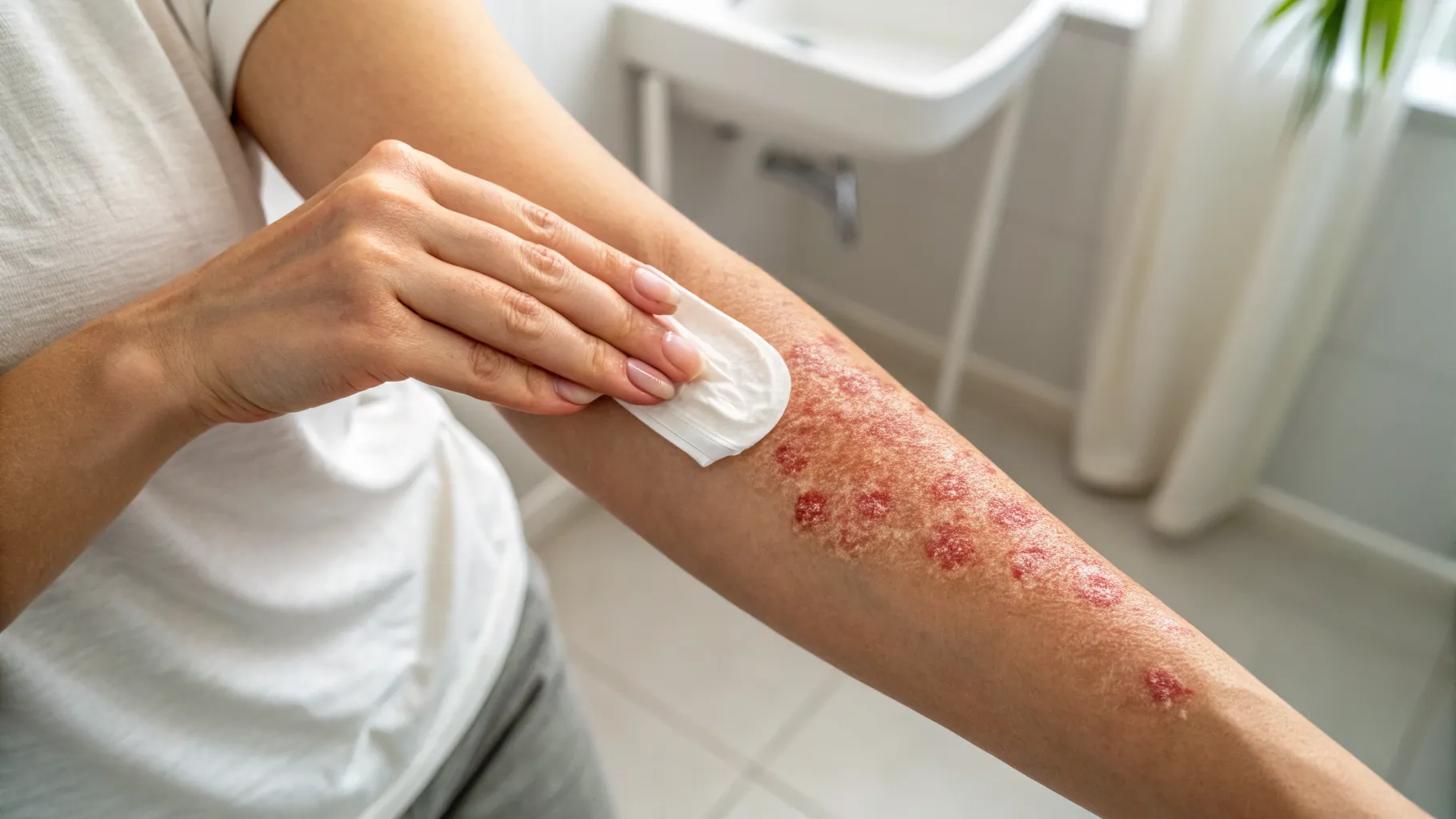
Finding an effective itchy skin treatment begins with understanding the persistent and often maddening sensation of itching, medically known as pruritus. It's a signal from your nervous system that can stem from a multitude of factors, ranging from simple dry skin to more complex internal conditions. Many people seek a quick remedy for itchy skin, but a lasting solution requires a deeper look into the underlying triggers. This guide will explore everything from common causes to the most effective creams and strategies, especially for those who experience heightened discomfort at night.
Identifying the Common Itchy Skin Causes
Before you can find the right itchy skin treatment, it's crucial to identify the source of the problem. There are numerous potential itchy skin causes. The most common is xerosis, or abnormally dry skin, which is more prevalent in older adults and in dry, cold climates. However, the list of culprits is extensive. Skin conditions like eczema (atopic dermatitis), psoriasis, and hives are well-known for causing intense itching. Allergic reactions to substances like nickel, poison ivy, certain cosmetics, or latex can also trigger a significant response. Furthermore, itching can be a symptom of internal diseases, including liver disease, kidney failure, or thyroid problems. It's essential to observe when the itching occurs and if it's accompanied by other symptoms like a rash, bumps, or blisters to help pinpoint the specific cause.
The Most Effective Itchy Skin Creams
When seeking immediate relief, many turn to over-the-counter or prescription itchy skin creams. These topical solutions are a cornerstone of any effective itchy skin treatment plan. For general dryness, thick emollients and moisturizers containing ceramides, hyaluronic acid, or glycerin are highly recommended. They work by restoring the skin's natural barrier. For more intense itching caused by inflammation, hydrocortisone creams can be very effective, but should be used for short periods unless directed by a doctor. Calamine lotion and creams containing pramoxine or menthol can provide a cooling, anesthetic effect, offering temporary relief. For those dealing with specific conditions like eczema, a dermatologist might prescribe more potent corticosteroid creams or non-steroidal options like calcineurin inhibitors. Choosing the right cream depends heavily on understanding the primary itchy skin causes at play.
A Natural Remedy for Itchy Skin: What Really Works?
For those who prefer a more natural approach, several options can serve as a potent remedy for itchy skin. One of the most popular is an oatmeal bath. Colloidal oatmeal has anti-inflammatory properties that can soothe irritated skin. Another effective natural itchy skin treatment is the application of cool compresses to the affected area, which can help reduce inflammation and numb the nerve endings responsible for the itch sensation. Aloe vera gel, known for its cooling and healing properties, can also provide significant relief. Some find success with coconut oil, which is an excellent moisturizer and possesses antimicrobial properties. However, it's important to patch-test any new natural remedy to ensure you don't have an allergic reaction, which could worsen the problem.
How to Manage Itchy Skin at Night
The experience of itchy skin at night, known as nocturnal pruritus, can be particularly distressing and disruptive to sleep. This phenomenon occurs for several reasons: our body's natural circadian rhythms cause a rise in skin temperature and a decrease in corticosteroids (natural anti-inflammatories) in the evening. To combat this, creating a sleep-friendly environment is key. Keep your bedroom cool and use a humidifier to prevent the air from becoming too dry. Opt for soft, breathable cotton pajamas and bedding. It's also a crucial part of your itchy skin treatment to moisturize generously before bed with one of the effective itchy skin creams mentioned earlier. Avoiding caffeine and alcohol before sleep can also help, as they can widen blood vessels and increase blood flow to the skin, potentially worsening the itch. Finding the right nighttime routine is a vital remedy for itchy skin that intensifies after sundown.
Frequently Asked Questions
What is the best immediate remedy for itchy skin?
For immediate relief, applying a cold, wet cloth or an ice pack to the affected area for 5-10 minutes can be very effective. This is a simple and quick remedy for itchy skin that helps reduce inflammation and dulls the itch sensation. Following up with a quality moisturizer or an over-the-counter hydrocortisone cream can also provide rapid relief.
Can certain foods be among the itchy skin causes?
Yes, for some individuals, certain foods can be significant itchy skin causes. Food allergies to common items like milk, eggs, peanuts, soy, and wheat can manifest as hives or eczema flare-ups, leading to intense itching. If you suspect a food allergy, it's best to consult an allergist for proper testing and guidance on an effective itchy skin treatment plan.
Why is my itchy skin at night so much worse?
The sensation of itchy skin at night is often worse due to a combination of physiological changes and fewer distractions. Your body's natural rhythms lead to increased skin temperature and fluid loss, while levels of the anti-inflammatory hormone cortisol drop. This combination makes your skin more prone to irritation while your mind is less occupied, making the itch more noticeable.
Are all itchy skin creams safe to use long-term?
Not all itchy skin creams are intended for long-term use. While basic moisturizers are safe for daily, continuous application, medicated creams, especially those containing corticosteroids, should be used as directed by a healthcare professional. Overuse can lead to skin thinning and other side effects, so they are typically recommended for short-term itchy skin treatment during flare-ups.
References
- American Academy of Dermatology Association - How to Relieve Itchy Skin.
- National Institute on Aging - Skin Care and Aging.
- The Journal of Clinical and Aesthetic Dermatology - Understanding Nocturnal Pruritus.
- National Eczema Association - Ask the Ecz-perts: Natural Remedies.
Authored by FreshLifeWire team