Effective Ingrown Hair Treatments Causes and Symptoms Guide
Understanding Ingrown Hairs: Causes and Symptoms
Ingrown hairs represent a common skin concern that affects countless individuals, particularly after methods like shaving, waxing, or laser hair removal. Current data shows that approximately 30 percent of adults will experience ingrown hairs at least once in their lives. This article unpacks the causes and symptoms of ingrown hairs while offering insights into effective treatment options.
What Causes Ingrown Hairs?
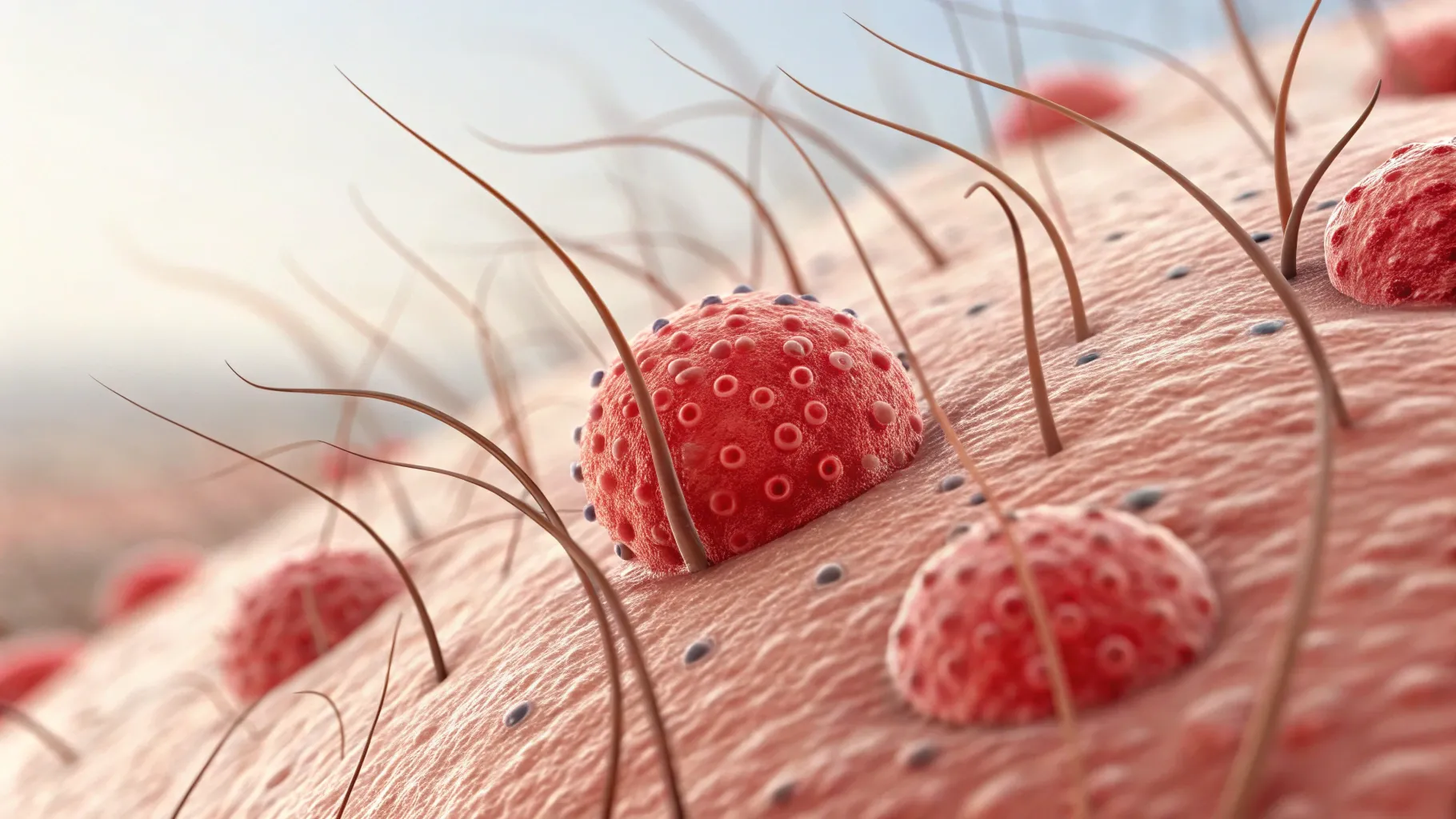
Fundamentally, an ingrown hair forms when a hair curls back or grows sideways into the skin rather than exiting through the hair follicle. Several factors contribute to this frustrating condition:
- Curly Hair: People with thick, curly hair are particularly susceptible to ingrown hairs, as the hair's natural curl can cause it to burrow back into the skin.
- Improper Hair Removal Techniques: Shaving against the direction of hair growth, or using harsh and abrasive methods can irritate the skin and increase the likelihood of hairs becoming ingrown.
- Clogged Follicles: Failure to exfoliate the skin leads to the accumulation of dead skin cells that block hair follicles, often resulting in ingrown hairs.
- Tight Clothing: Wearing tight clothing can press hairs against the skin and encourage them to grow inward.
Understanding these factors elucidates why ingrown hairs tend to occur more frequently in specific populations and under certain conditions.
Identifying the Symptoms of Ingrown Hairs
Recognizing the symptoms of ingrown hairs is crucial for timely treatment and to prevent potential complications like infections or scarring. Common symptoms include:
- Red Bumps: The most distinctive sign of an ingrown hair is a small, raised bump on the skin, often accompanied by redness and inflammation.
- Pain or Itching: These bumps often come with discomfort or itching, which can escalate if left untreated.
- Pus-filled Blisters: In more severe instances, ingrown hairs may develop into pustules that require medical evaluation.
- Darkening Skin: Over time, areas surrounding the ingrown hair can experience pigmentation changes, known as post-inflammatory hyperpigmentation, which can be concerning for many individuals.
Though many ingrown hairs tend to resolve independently, persistent or increasingly painful cases should be assessed by a healthcare professional to avoid complications.
Effective Treatments for Ingrown Hairs
Dealing with ingrown hairs requires a strategic approach to alleviate discomfort and prevent further occurrences. Here are some of the most effective treatment methods currently recommended:
- Gentle Exfoliation: Regularly exfoliating the skin can significantly reduce the build-up of dead skin cells that block hair follicles. Products formulated with salicylic acid or glycolic acid are particularly useful for preventing ingrown hairs.
- Warm Compresses: Applying a warm, damp cloth to the afflicted area can help soothe inflammation and facilitate the hair's emergence through the skin.
- Hair Removal Adjustments: If conventional shaving or waxing methods contribute to ingrown hairs, it may be time to transition to a more suitable hair removal technique. For many, laser hair removal offers a long-term solution that minimizes the likelihood of ingrown hairs considerably.
- Topical Treatments: Over-the-counter products that contain benzoyl peroxide or hydrocortisone cream can help reduce inflammation and combat infections.
- Extraction: If an ingrown hair is deeply embedded, using a sterile needle or tweezers to gently extract it may be necessary. Always consider getting professional guidance from a dermatologist if uncertain.
Statistical reports reveal that nearly 50% of individuals who managed to treat ingrown hairs successfully did so by modifying their hair removal practices, highlighting the importance of adopting more skin-friendly techniques.
Home Remedies: Natural Alternatives
For those who prefer utilizing natural remedies over industrial treatments, various options may help soothe and alleviate ingrown hairs:
- Tea Tree Oil: Famous for its anti-inflammatory properties, tea tree oil can assist in controlling swelling and diminishing the risk of infection. Just a few drops diluted with a carrier oil can be gently applied to the problem area.
- Apple Cider Vinegar: This kitchen staple's acidity can help exfoliate the skin and treat potential infections effectively. Dilute it with water and use a cotton ball to apply it to the affected skin.
- Sugar Scrubs: Crafting a homemade sugar scrub using natural oils can provide both exfoliation and moisture, helping prevent further occurrences of ingrown hairs.
While these home remedies may effectively address mild cases, more intense cases often warrant professional medical advice.
Preventing Ingrown Hairs
Preventing ingrown hairs is generally less cumbersome than treating them once they arise. It makes sense to adopt preventive strategies that promote smoother, irritation-free skin:
- Shave in the Direction of Hair Growth: Always shave downward, following the hair's natural growth direction.
- Use a Sharp Razor: Dull blades can lead to skin irritation. Ensure you replace razor blades regularly, opting for quality models that provide a smooth shave.
- Avoid Tight Clothing: Opting for loose-fitting apparel, especially following hair removal, can significantly reduce skin friction.
- Moisturize: Properly hydrating the skin helps maintain its elasticity and overall health, making it less susceptible to issues like ingrown hairs.
By being well-informed about the symptoms, causes, and treatments for ingrown hairs, and implementing these preventive measures, individuals can drastically reduce their risk of outbreaks. Caring for your skin signifies a reflection of your personal hygiene practices, which can lead to marked improvements in skin health and appearance. Embracing these insights and techniques will help many navigate their journey with ingrown hairs more successfully, ensuring a pleasant experience with their skin regime.
Authored by FreshLifeWire team