Effective Home Remedies for Knee Pain Relief and Care
Treating Knee Pain at Home
Knee pain can significantly impact your daily activities, especially when it prevents you from enjoying your favorite sports or leisure activities. In 2025, knee pain remains one of the most common musculoskeletal complaints. It can stem from various causes, including arthritis, injuries, or wear and tear over time. Fortunately, there are numerous knee pain relief methods that you can easily implement in the comfort of your own home. This article dives into some effective home remedies for knee pain and essential tips for joint care.
Understanding Knee Pain and Its Causes
Knee pain can occur due to several reasons. It may be due to overuse during physical activity, an acute injury like a sprain or strain, or chronic conditions like osteoarthritis, which affects millions globally. According to recent statistics, over 25% of adults aged 50 and older experience some form of knee pain, making it a significant health concern.
Staying informed about the underlying causes of your knee pain is essential to determining the most effective treatment. For example, arthritis-related knee pain is often accompanied by stiffness and swelling, while pain from an injury may be more localized and sharp.
Home Remedies for Knee Pain Relief
- R.I.C.E Method: One of the most widely recommended immediate techniques involves rest, ice, compression, and elevation. Applying ice packs for 15-20 minutes several times a day can reduce swelling and numb the pain.
- Heat Therapy: For chronic pain, heat can be soothing. Using a warm towel or heating pad on your knees can help relax and loosen tissues and stimulate blood flow.
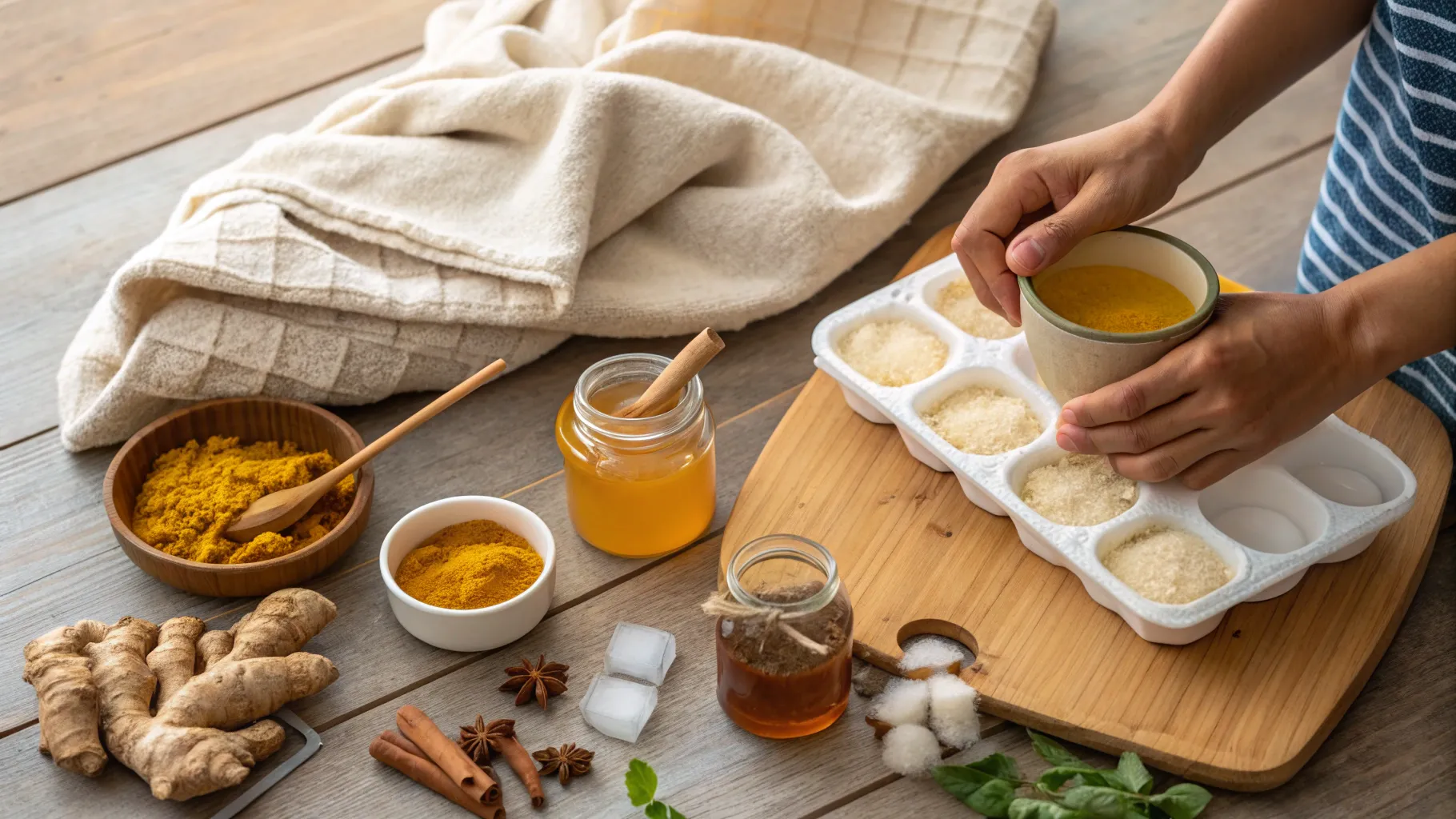
- Turmeric and Ginger Tea: These spices have anti-inflammatory properties. A soothing tea made from 1 teaspoon of turmeric and ginger can be a natural way to alleviate pain.
- Essential Oils: Oils such as eucalyptus and peppermint can be diluted with a carrier oil and massaged into the knees, providing immediate relief through their soothing properties.
- Exercises for Strengthening: Engaging in low-impact exercises like swimming, cycling, or yoga can strengthen the muscles around the knee without putting excess pressure on the joint. Strengthening exercises for the quadriceps and hamstrings support knee function.
- Massage: Gentle massage around the knee can increase circulation and alleviate tension, providing comfort and reducing pain perception.
- Weight Management: Maintaining a healthy weight is crucial as excess body weight adds strain on knee joints, exacerbating pain. Small lifestyle adjustments, like walking more or choosing healthier snacks, can lead to significant weight loss over time.
- Hydration: Proper hydration is vital for maintaining joint lubrication. Aim for at least eight 8-ounce glasses of water daily, as this will help keep the cartilage in the knees healthy.
How Lifestyle Choices Impact Joint Care
Your daily choices can make a considerable difference in managing knee pain and maintaining joint health. Knee pain relief is often as much about prevention as it is about treatment. Simple, consistent practices can significantly improve how your knees feel.
Firstly, your diet plays an essential role in joint health. Foods rich in omega-3 fatty acids, such as salmon and flaxseeds, can reduce inflammation. Adding antioxidants by consuming colorful fruits and vegetables like berries, spinach, and carrots can also help combat joint pain. Recent studies indicate that a Mediterranean diet can reduce joint stiffness and pain, offering an enjoyable way to eat while improving your knee function.
Physical wellness doesn’t have to be dull. Engaging in fun activities can keep you active—try dancing, hiking, or playing an active game with your family. Aim for at least 30 minutes of exercise most days of the week, making it enjoyable so you stay committed.
For many people, the emotional aspect of dealing with chronic pain can be challenging. Stress often amplifies the perception of pain. Practices like meditation or mindfulness can reduce stress levels, which may lower your sensitivity to knee pain. Consider incorporating short meditation sessions into your evening routine to calm the mind and body.
When to Seek Professional Help
While many home remedies can provide relief, there are times when professional intervention is necessary. If the pain persists despite treatment, or if you experience significant swelling, inability to bear weight, or instability in the joint, consult with a healthcare provider. They may recommend physical therapy, medications, or even advanced interventions like injections or surgery in severe cases.
With ongoing advancements in medical science and the increase in personalized care plans, more individuals find effective solutions for long-term management of knee pain. In 2025, the focus on holistic approaches combined with self-care practices reaffirms the importance of both mental and physical health.
In summary, managing knee pain at home is entirely feasible and can be highly effective when approached with consistent and comprehensive strategies. By understanding the causes of knee pain, utilizing home remedies, and making informed lifestyle choices, you can achieve significant improvements in your quality of life. Take proactive steps today, and enjoy the movements of tomorrow!
Authored by FreshLifeWire team