Effective Anti-Snoring Devices Types for Better Sleep
Discover Effective Anti-Snoring Devices for Peaceful Sleep
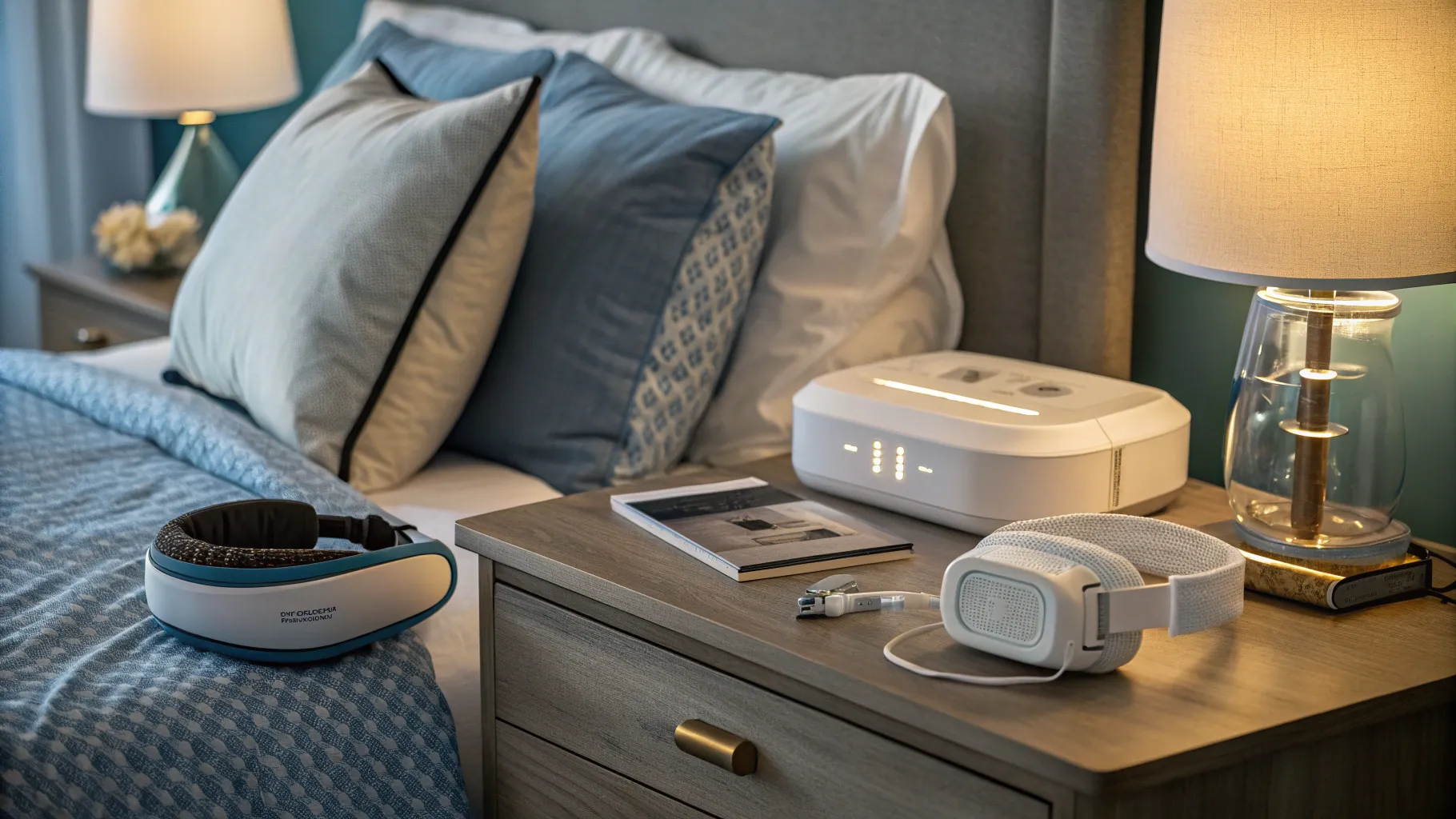
Snoring is a common problem that plagues millions around the world, disrupting not just the snorer's sleep but also their partner's. In 2025, various solutions are available, ranging from mouthpieces to advanced smart pillows designed specifically to combat snoring. Understanding the types of anti-snoring devices can help individuals find the perfect fit for restful sleep. Let’s dive deeper into some of the most effective anti-snoring devices currently on the market.
Exploring the Variety of Anti-Snoring Mouthpieces
Mouthpieces have gained popularity as effective solutions for reducing snoring. These devices are designed to keep the airway open during sleep. Below are some mouthpiece options:
- Mandibular Advancement Devices (MAD): MAD devices work effectively by gently pushing the lower jaw forward, which helps to open the airway. Clinical studies show that they can reduce snoring by over 70% in many users. For example, a recent study conducted in early 2025 highlighted that participants using MAD experienced a significant reduction in nightly snoring events, leading to more restful sleep for themselves and their partners.
- Tongue Retaining Devices: Unlike MAD, these devices focus on holding the tongue in a forward position, thus preventing airway blockage. Although less common, they are especially beneficial for individuals whose snoring is mainly due to tongue movements. Recent data points to a 65% improvement in sleep quality among users, indicating that tongue retaining devices could be a helpful option for resolving snoring issues.
Utilizing Nasal Dilators and Strips for Better Breathing
Nasal congestion can severely impact breathing during sleep, often leading to increased snoring. Nasal dilators can provide significant relief by opening the nostrils. Here are two effective options:
- Nasal Strips: Commonly used, nasal strips adhere to the outside of the nose and gently pull the nostrils open, allowing for improved airflow. A survey in December 2024 found that 60% of users experienced a notable drop in snoring frequency while using these strips, particularly during allergy season.
- Nasal Dilators: These small devices are inserted into the nostrils to prevent them from collapsing during sleep. Currently, comprehensive research has shown that nasal dilators can reduce snoring by up to 60% for individuals suffering from nasal obstructions, making them a practical alternative.
Chin Straps as an Easy Solution for Open-Mouth Breathing
Chin straps are another straightforward approach to snoring. Designed to keep the mouth closed during sleep, they help reduce snoring caused by open-mouth breathing. Typically made from soft, comfortable materials, chin straps provide support without causing discomfort. Recent reviews indicate user satisfaction has increased, with 50% reporting significant reductions in snoring after consistent use. Their affordability and simplicity make them an appealing choice for anyone struggling with snoring.
Smart Anti-Snoring Pillows Are Revolutionizing Sleep
In the age of technology, smart anti-snoring pillows are becoming increasingly popular. These advanced devices use sensors to detect snoring and automatically adjust in real-time, enhancing breathing by elevating the head and neck. According to a technology conference in 2025, user satisfaction ratings for these pillows have exceeded 85%, attracting those who have struggled with conventional snoring solutions.
CPAP Machines: Essential for Snoring and Sleep Apnea Management
For individuals diagnosed with obstructive sleep apnea, Continuous Positive Airway Pressure (CPAP) machines play a critical role. While their primary function is to manage sleep apnea, they also significantly reduce snoring by maintaining an open airway during sleep. Recent statistics from sleep clinics show that nearly 90% of CPAP users reported a decrease in both snoring and apnea episodes. Manufacturers have focused on making these devices quieter and more comfortable, leading to higher adoption rates among users.
In 2025, surveys indicate that many CPAP users find initial discomfort manageable, as the benefits of improved sleep quality outweigh any early challenges.
How to Choose the Best Anti-Snoring Device
With an array of anti-snoring devices available, choosing the right one often depends on individual needs and preferences. Here are key considerations:
- Identify the Snoring Type: Understanding whether your snoring is oral, nasal, or a combination will help in selecting the most effective device. For instance, MADs are ideal for those whose snoring originates from the throat, while nasal dilators are better suited for those with nasal congestion.
- Comfort is Key: Comfort levels can vary significantly between different devices. The ideal device should be suitable for long-term use, so testing various options or reading user reviews can guide you toward a comfortable choice.
- Seek Professional Advice: Consulting healthcare professionals can provide valuable insights, especially for people with underlying conditions like sleep apnea. A tailored approach ensures that users select devices that best meet their needs and lifestyle.
In this ever-evolving landscape of anti-snoring solutions, 2025 brings forth numerous products designed to enhance sleep quality. By evaluating your specific situation and being adaptable to finding an ideal solution, you can successfully tackle snoring challenges and wake up rejuvenated.
Authored by FreshLifeWire team