Eco Friendly Homemade Vinegar Weed Killer Sprays: The Ultimate Guide
Facts:
- Vinegar's acetic acid desiccates plant leaves.
- A rising trend in non toxic lawn care solutions is driving interest in homemade herbicides.
Why Your Garden Needs a DIY Vinegar Weed Killer Solution
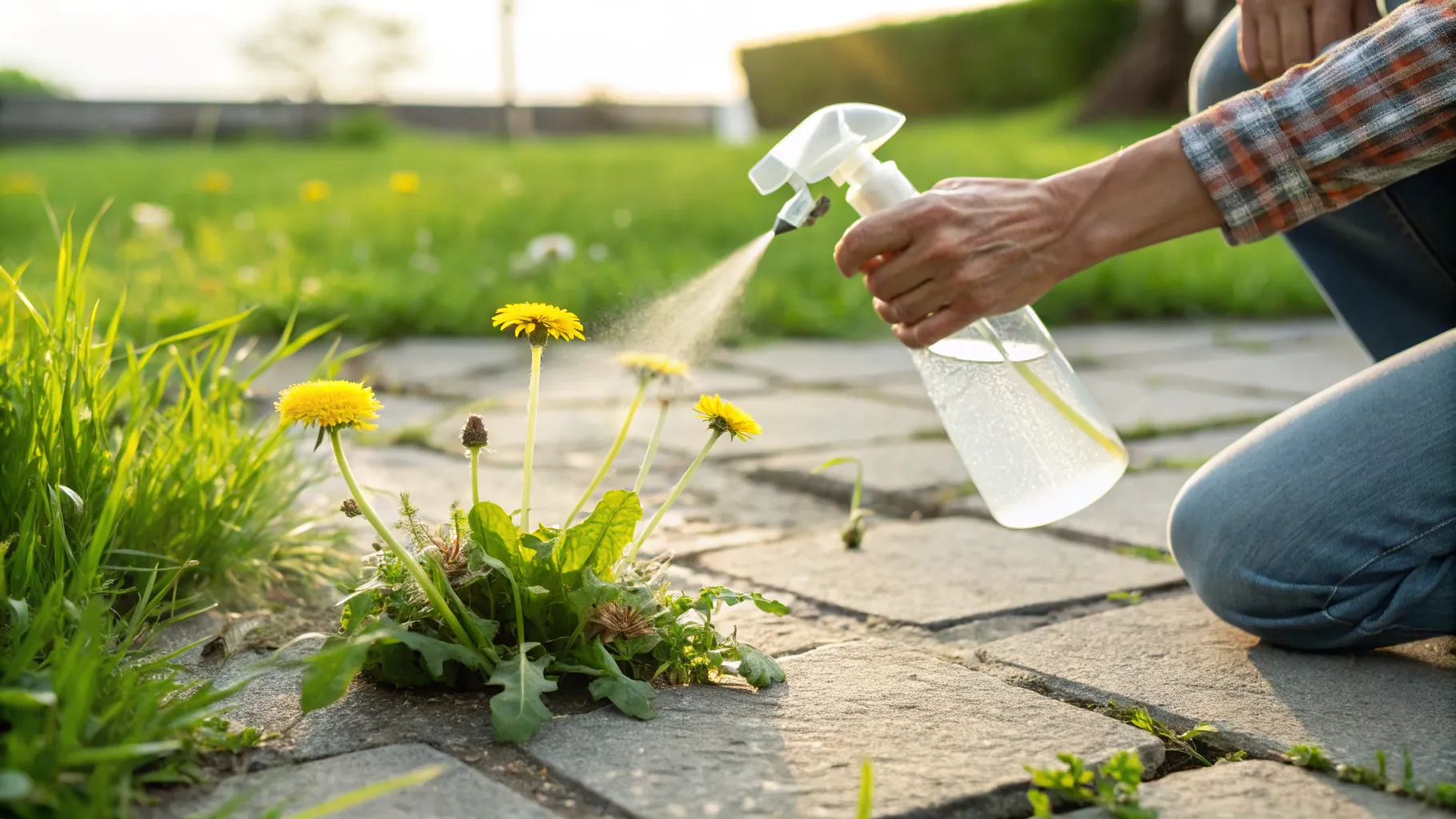
Tackling persistent weeds doesn't have to mean resorting to harsh chemicals that can harm the environment, your pets, and your family. The answer might be sitting right in your pantry. Eco-friendly homemade vinegar weed killer sprays are a powerful, affordable, and safe alternative. This guide provides comprehensive recipes and methods, making it one of the most useful backyard weeding guides seniors and novice gardeners can find. By creating your own homemade organic weed spray, you take control of your garden's health, ensuring it remains a vibrant and safe space for everyone to enjoy. These solutions are particularly effective for everyday problems and are a cornerstone of modern, responsible gardening.
Crafting the Perfect Homemade Organic Weed Spray: Recipes and Ratios
The effectiveness of your weed killer lies in the recipe. While simple vinegar can work, combining it with other household ingredients can create a more potent and lasting solution. It's crucial to understand the role of each component to tailor the perfect diy vinegar weed killer for your specific needs, whether it's for delicate flower beds or for achieving sidewalk weed removal easily. Always remember to label your spray bottle clearly and store it away from children and pets.
The Basic 3-Ingredient Power Spray
This is the foundational recipe for any aspiring home gardener. It's simple, quick to mix, and highly effective for most common weeds. Start with a gallon of standard white vinegar (5% acetic acid). To this, add one cup of table salt. Salt acts as a further desiccant, preventing the weed from re-growing. Finally, add one tablespoon of liquid dish soap. The soap is a surfactant, meaning it helps the vinegar and salt mixture cling to the weed's leaves instead of just rolling off, dramatically increasing its effectiveness. Mix thoroughly until the salt is dissolved, and you have a ready-to-use homemade organic weed spray.
Supercharged Formula with Horticultural Vinegar
For those truly stubborn, deep-rooted weeds, you might need something stronger. This is where horticultural vinegar (with 20-30% acetic acid) comes in. Be cautious, as this concentration can cause skin irritation, so wearing gloves and eye protection is essential. The recipe is similar: one gallon of horticultural vinegar, one cup of salt, and two tablespoons of dish soap. This powerful diy vinegar weed killer should be used sparingly and directly on the target weeds, as it can alter the soil's pH and affect nearby plants. It’s an excellent choice for tough jobs like clearing gravel driveways or for when you need sidewalk weed removal easily and quickly.
The Science Behind Vinegar: How It Annihilates Weeds
The magic ingredient in vinegar is acetic acid. This acid works by drawing out moisture from the plant's leaves, a process known as desiccation. Essentially, it burns the plant's foliage on contact. When the leaves are destroyed, the plant can no longer perform photosynthesis, the process it uses to create food. Without the ability to feed itself, the weed eventually starves and dies. This method is most effective on young, annual weeds. For perennial weeds with established root systems, multiple applications may be necessary to fully deplete the plant's energy reserves. This is a core principle behind all non toxic lawn care solutions that rely on natural acids.
Best Practices for Application
To maximize the effectiveness of your spray and ensure safety, follow these guidelines. This advice is a key part of our backyard weeding guides seniors can trust for safe and effective gardening. Applying your solution correctly is just as important as the recipe itself.
- Choose a Sunny Day: Apply the spray on a hot, sunny, and windless day. The sun's heat accelerates the desiccation process, and the lack of wind prevents the spray from drifting onto your desired plants.
- Spray Directly and Thoroughly: Coat the entire weed, especially the leaves and stem. The goal is complete coverage to ensure the acetic acid can do its job. Avoid overspray onto the soil as much as possible, particularly if using salt.
- Reapply as Needed: For tougher perennial weeds, you may need to reapply the solution every week or two until the weed is completely gone. Consistency is key for long-term control.
- Protect Your Plants: Be mindful of desirable plants. Vinegar is a non-selective herbicide, meaning it will harm any plant it touches. Use cardboard or a piece of plastic as a shield to protect your flowers and vegetables during application.
Comparing Vinegar Sprays to Commercial Herbicides
When considering weed management, it's helpful to compare homemade solutions with commercial products. Chemical herbicides often contain glyphosate, a powerful but controversial chemical. While effective, its potential long-term environmental and health impacts are a concern for many. A diy vinegar weed killer offers a significant advantage in this regard, breaking down quickly in the soil without leaving harmful residues. This makes it a cornerstone of non toxic lawn care solutions. Commercial products might offer faster results on deep-rooted weeds, but for general-purpose use and for homeowners prioritizing safety and sustainability, a homemade organic weed spray is an unbeatable choice. It is also significantly more cost-effective.
Frequently Asked Questions
How long does it take for a diy vinegar weed killer to work?
You can typically see results within 24 hours. The weeds will begin to wilt and turn brown. The full effect on the plant, especially the root system, may take a few days and potentially a second application for more resilient weeds.
Is homemade organic weed spray safe for pets and children?
Once the spray has dried, the area is generally considered safe for pets and children. However, it's best to keep them away during application and while the solution is still wet. Unlike many chemical herbicides, it does not leave a lasting toxic residue, which is a major benefit of using non toxic lawn care solutions.
Can I use this vinegar spray on my lawn to kill weeds?
No, you should not spray it broadly on your lawn. Vinegar is non-selective and will kill grass just as effectively as it kills weeds. It is best used for spot treatments in garden beds, on patios, driveways, and for achieving sidewalk weed removal easily.
References
- Journal of Environmental Horticulture
- The National Gardening Association Archives
- Purdue University Extension - Weed Science
- Organic Materials Review Institute (OMRI)
Authored by FreshLifeWire team