A Complete Guide to Eco-Friendly Home Cleaning Products
Facts:
- Vinegar and baking soda are powerful natural disinfectants.
- Consumer demand for refillable cleaning product options is rapidly increasing.
Why Making the Switch to Eco-Friendly Home Cleaning Products Matters
In today's world, creating a healthier home environment while protecting our planet is more important than ever. This is where eco-friendly home cleaning products come into play, offering a powerful alternative to conventional cleaners laden with harsh chemicals. By choosing non toxic household cleaners, you're not just cleaning your surfaces; you're safeguarding your family's health, improving indoor air quality, and reducing your environmental footprint. This guide provides a deep dive into the world of green cleaning, offering insights into sustainable home cleaning options that are both effective and kind to the Earth. We will cover everything you need to know, from deciphering labels to understanding the core ingredients that make these products work.
Understanding the Labels: Eco-Friendly Cleaning Products Explained
Navigating the cleaning aisle can be confusing with terms like 'green,' 'natural,' and 'eco-friendly' used so broadly. Having the concept of eco-friendly cleaning products explained is the first step toward making informed choices. True eco-friendly home cleaning products are defined by their use of biodegradable, plant-derived, and non-toxic components. Look for third-party certifications like the EPA's Safer Choice or ECOLOGO to verify claims. These labels ensure that the product meets stringent standards for performance, human health, and environmental safety. Understanding these distinctions helps you see past 'greenwashing' and select genuinely sustainable home cleaning options that deliver on their promises without compromising on cleaning power.
The Core of Green Cleaning: Environmentally Safe Cleaning Ingredients
The secret to the effectiveness of non toxic household cleaners lies in their simple yet potent ingredients. Many of the most powerful cleaning agents are likely already in your pantry. These environmentally safe cleaning ingredients are the foundation of both DIY recipes and the best commercial green cleaners on the market. They are biodegradable, safe for use around children and pets, and won't pollute our waterways.
Distilled White Vinegar
A true powerhouse, vinegar's acetic acid cuts through grease, grime, and soap scum. It acts as a natural disinfectant and deodorizer, making it perfect for cleaning countertops, windows, and floors. It is a cornerstone of many sustainable home cleaning options.
Baking Soda (Sodium Bicarbonate)
This mild abrasive is excellent for scrubbing sinks, tubs, and ovens without scratching surfaces. It's also a fantastic natural deodorizer, perfect for refrigerators and carpets. It is one of the most common environmentally safe cleaning ingredients.
Castile Soap
Made from vegetable oils, this versatile soap can be used to create all-purpose sprays, dish soap, and even laundry detergent. It's gentle, biodegradable, and incredibly effective at lifting dirt. It forms the base of many non toxic household cleaners.
Essential Oils
Ingredients like tea tree, lemon, and lavender oil not only add a pleasant, natural scent but also possess antibacterial and antifungal properties. They boost the cleaning power of your homemade solutions and are a key part of the eco-friendly home cleaning products experience.
Your Guide to Non-Toxic Household Cleaners for Every Room
Adopting eco-friendly home cleaning products doesn't mean you need a different cleaner for every surface. Many solutions are multi-purpose, but certain formulations excel in specific areas. Here’s a breakdown of effective non toxic household cleaners for key areas of your home, ensuring a deep clean that is safe for your family and the planet. These methods rely on the environmentally safe cleaning ingredients we discussed earlier.
The Kitchen
For greasy stovetops and counters, an all-purpose spray made from equal parts water and white vinegar with a few drops of lemon essential oil works wonders. For tough, baked-on food, a paste of baking soda and water can be used as a gentle scouring agent. This approach showcases how simple sustainable home cleaning options can be.
The Bathroom
Combat soap scum and mildew with a powerful spray of undiluted white vinegar. For scrubbing tubs and tiles, a paste of baking soda and castile soap is highly effective. To clean toilets, pour in a cup of vinegar, let it sit, then scrub with a brush. These are all examples of effective non toxic household cleaners.
Floors and Windows
A solution of one gallon of warm water with a quarter cup of white vinegar makes an excellent floor cleaner for tile and vinyl. For windows and mirrors, a spray bottle with a 50/50 mix of water and vinegar will leave a streak-free shine. This further demonstrates the versatility of eco-friendly home cleaning products.
How to Implement Sustainable Home Cleaning Options
Transitioning to a green cleaning routine is a journey. It's about more than just the products; it's about adopting a sustainable mindset. Here are actionable steps to integrate sustainable home cleaning options into your life for long-term success.
- Start Small: You don't have to replace everything at once. Start by making one DIY cleaner, like an all-purpose spray, or by purchasing one certified green product to replace something you've run out of.
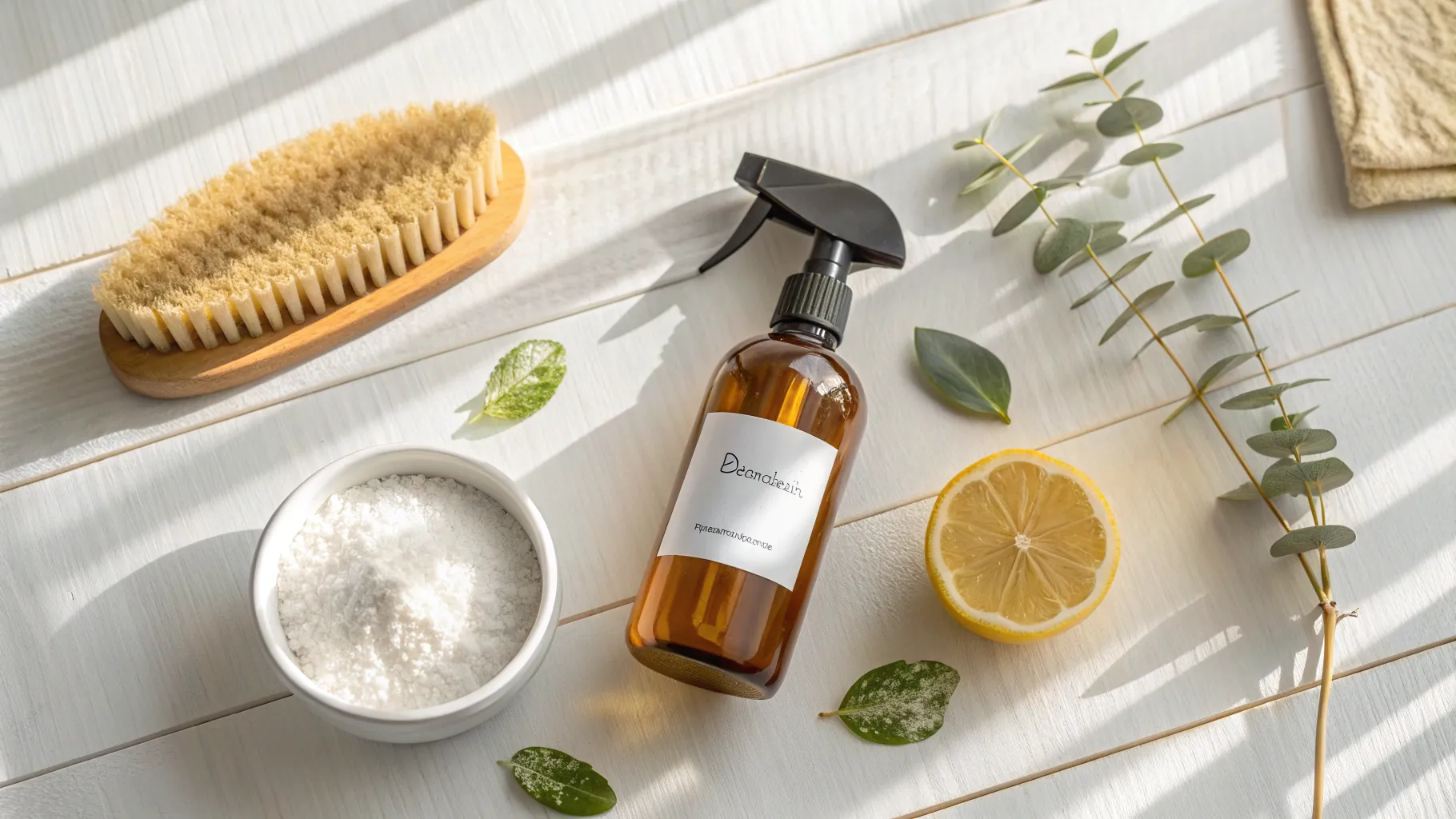
- Invest in Reusable Tools: Ditch single-use paper towels for microfiber cloths, choose reusable spray bottles made of glass, and opt for wooden brushes with natural, compostable bristles. This reduces waste significantly.
- Buy in Bulk: Purchase core environmentally safe cleaning ingredients like vinegar and baking soda in bulk to reduce packaging waste and save money in the long run.
- Simplify Your Arsenal: Realize that a few core eco-friendly home cleaning products can handle most of your household needs, reducing clutter and consumption.
Frequently Asked Questions
Are eco-friendly home cleaning products as effective as chemical cleaners?
Absolutely. When formulated correctly or when using the right DIY recipes, eco-friendly home cleaning products are incredibly effective at disinfecting, cutting grease, and removing grime. Ingredients like vinegar and hydrogen peroxide have proven antimicrobial properties, making them excellent non toxic household cleaners for a truly clean and safe home.
Where can I find reliable sustainable home cleaning options?
You can find certified green cleaning products at most major retailers, health food stores, and online. Look for brands that are transparent about their ingredients and have third-party certifications. Alternatively, creating your own cleaners using common environmentally safe cleaning ingredients is a cost-effective and highly sustainable option.
Is it expensive to switch to eco-friendly cleaners?
While some pre-made eco-friendly products can have a higher price point, many are comparable to conventional brands. Furthermore, making your own non toxic household cleaners from bulk ingredients like vinegar and baking soda is significantly cheaper than buying traditional chemical-based cleaners.
References
- Environmental Protection Agency (EPA) - Safer Choice Program
- Environmental Working Group (EWG) - Guide to Healthy Cleaning
- Journal of Environmental Health - Studies on Natural Disinfectants
- National Institute of Environmental Health Sciences - Indoor Air Quality
Authored by FreshLifeWire team