Early Symptoms of Leukemia Key Blood Cancer Symptoms to Know
Recognizing Early Symptoms of Leukemia
Leukemia is a prominent form of blood cancer, impacting both the blood and bone marrow, and it can emerge insidiously, often masked by benign health issues. In 2025, understanding the intricate yet subtle early symptoms of leukemia is more crucial than ever. Enhanced awareness surrounding these health indicators can catalyze early detection, potentially leading to improved diagnostic outcomes and tailored treatment strategies. In this article, we explore the early symptoms of leukemia, shedding light on key warning signs such as persistent fatigue, recurrent infections, and other noteworthy indicators.
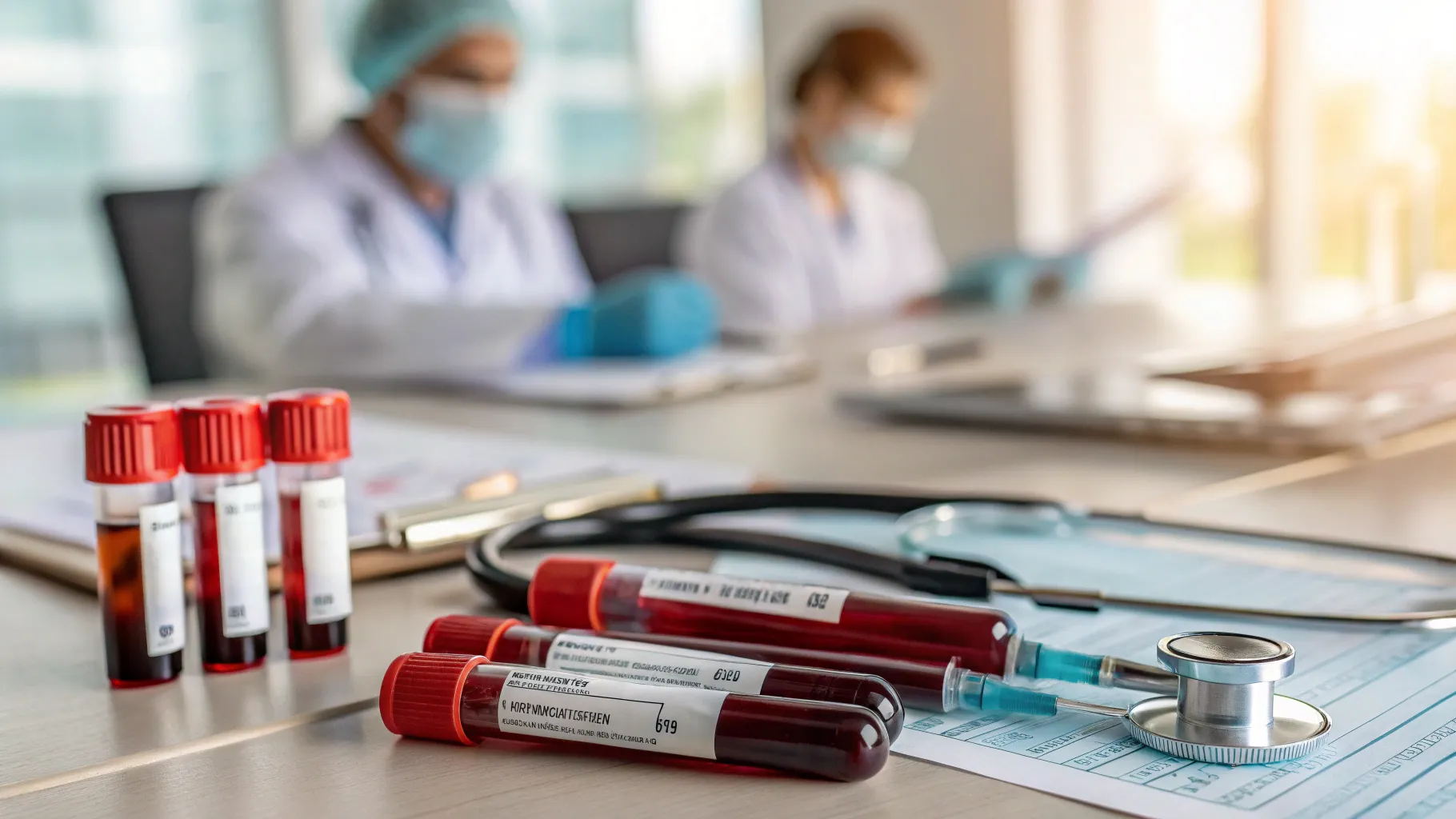
Common Blood Cancer Symptoms to Watch For
Vigilance towards bodily changes is essential for everyone. If you notice unusual symptoms, especially a combination of them, proactive medical consultation is recommended. Here are some of the common early symptoms of leukemia that you should monitor:
- Unexplained Fatigue: This is not the kind of fatigue that can be alleviated through sleep or rest. Patients often experience severe tiredness that feels unshakable, like an unrelenting weight pressing down. If you find you are consistently lethargic despite a full night’s sleep or significantly reduced activity, it is advisable to approach your healthcare provider.
- Frequent Infections: One telling sign of leukemia can be a heightened susceptibility to infections. This occurs as the body fails to produce an adequate number of healthy white blood cells essential for fighting off viral and bacterial invaders. If you notice a pattern of recurrent colds or unexplained infections affecting you more often than usual, it could necessitate further investigation.
- Easy Bruising and Bleeding: A compromised clotting ability is a hallmark of leukemia. You might experience unexpected bruises from minor bumps or notice bleeding from the gums or nose. Such symptoms can be unsettling, particularly if they appear out of the blue or without an apparent cause.
- Night Sweats: Sweat-soaked sheets or drenched pajamas may point to underlying issues. Night sweats related to leukemia are not merely due to the temperature but often happen without any environmental trigger. Regular occurrences should not be ignored.
- Swollen Lymph Nodes: The presence of swollen lymph nodes in areas like the neck, armpits, or groin may indicate underlying ailments, including leukemia. These nodes may feel firm and can fluctuate in size, often going unnoticed during regular health checks.
- Anemia Symptoms: Anemia can be another consequence of leukemia, showing signs such as paleness, shortness of breath with minimal exertion, and dizziness. If your energy seems low and you feel fatigued after light tasks, seeking medical advice could be wise.
Statistically, around 20,000 people are diagnosed with leukemia each year in the United States alone, reflecting a pressing need to recognize these warning signs early. Identifying symptoms promptly can set the stage for timely interventions.
Spotting the Signs Early
It’s important to understand that distinguishing between common ailments and significant health issues like leukemia can be challenging. However, should you experience a combination of these symptoms, it is time to consider consulting with a healthcare professional. Many individuals have found it helpful to keep a health journal that tracks symptoms over time. A well-maintained record can be pivotal during discussions with doctors, providing them with clear evidence of your health changes.
Consider the story of Sarah, a 32-year-old from New York. For months, she battled profound fatigue and noticed unexplained bruises on her arms. Despite her visits to various doctors, each time she was sent away without answers. It was only when she insisted on more tests that her leukemia diagnosis emerged. Sarah’s experience has become a cautionary tale and a source of awareness on social media, advocating for health advocacy and empowerment.
Emotional and Mental Health Impact
The journey through recognizing leukemia symptoms is not just a physical ordeal; it can take a toll on mental health as well. Individuals may experience a range of emotional responses, from anxiety and fear to frustration. It’s crucial to understand that emotional support during this health journey is vital. Engaging with support groups or speaking with mental health professionals can help navigate the turbulent waters of uncertainty, providing a sense of connection and shared experience with others facing similar challenges.
What to Do If You Notice Symptoms
If you find yourself experiencing any combination of the aforementioned early leukemia symptoms, consider taking the following steps:
- Schedule a Doctor’s Appointment: Reach out to your healthcare provider as soon as possible. Be comprehensive in detailing your symptoms and any drastic changes you've noticed in your health.
- Keep Notes: Maintaining a journal of your symptoms, their frequency, and the relative severity can offer valuable insights that assist your healthcare team in diagnosing your condition effectively.
- Follow Through with Testing: Your doctor may suggest blood tests or even a bone marrow biopsy to assess abnormal cell counts. Ensuring you complete these tests is critical for accurate diagnosis.
- Seek Support: Facing potential leukemia can lead to feelings of isolation. Connecting with various support groups provides emotional relief, allowing you to connect with others who navigate similar uncertainties.
Listening to your body is imperative. Your health journey is uniquely yours, and by staying attuned to changes, you empower yourself in the face of potential risks. In 2025, advancements in medical research bring optimism to those facing a leukemia diagnosis. Early detection plays a crucial role in improving survival rates and treatment options, making your proactivity all the more essential.
Being informed about leukemia not only aids in personal health but also equips you to share vital knowledge with your loved ones. Spreading awareness can potentially help others recognize symptoms early, catalyzing timely medical responses and improving healthcare outcomes across communities.
Authored by FreshLifeWire team