Early Symptoms of Dehydration in the Elderly: A Vital Guide
Facts:
- Dehydration can develop rapidly in older adults.
- Reduced thirst sensation is a common aging trend for seniors.
Identifying the First Subtle Signs of Dehydration in Seniors
As we age, our bodies' ability to conserve water and our sense of thirst both diminish, making the elderly particularly vulnerable to dehydration. Recognizing the early signs is not just beneficial; it's a critical aspect of senior care. Many initial indicators are subtle and can be mistaken for other age-related conditions. This guide aims to shed light on the initial dehydration symptoms in elderly individuals, providing crucial information for caregivers and family members. Understanding these early warnings can prevent severe complications, such as urinary tract infections, kidney stones, and even cognitive impairment. Paying close attention to these signals is the first step in effective prevention and management.
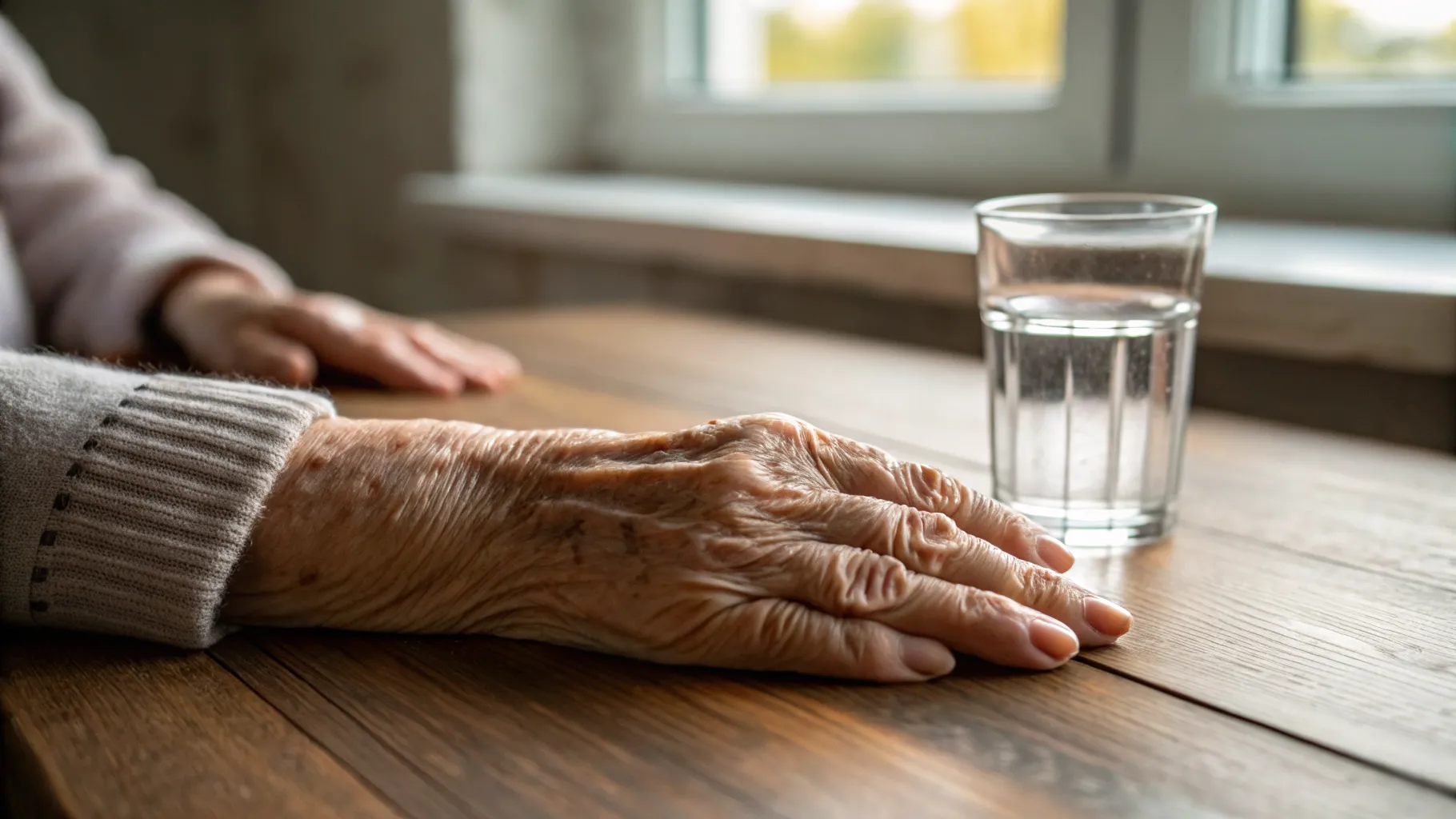
Physical and Visible Dehydration Symptoms in Elderly People
The most direct indicators of dehydration are often physical. One of the earliest dehydration symptoms in elderly individuals is a noticeable change in skin turgor; when pinched, the skin may return to its position more slowly than usual. Other visible signs include a dry, sticky mouth, sunken eyes, and a lack of sweat even in warm conditions. A significant red flag is a decrease in urination frequency or urine that is dark yellow or amber in color. This indicates that the kidneys are conserving water due to a fluid deficit in the body. While these signs may seem straightforward, they can be overlooked, so regular observation is key to early detection and intervention.
Understanding Systemic Fluid Balance Markers
Beyond the obvious physical signs, it's essential for caregivers to start understanding systemic fluid balance markers to catch dehydration early. These markers are internal signals that the body is struggling to maintain its fluid equilibrium. Symptoms like unexplained fatigue, dizziness, or lightheadedness, especially upon standing, can indicate low blood volume due to dehydration. Headaches and general malaise are also common systemic responses. These symptoms arise because every system in the body, from the cardiovascular to the neurological, depends on adequate hydration to function correctly. A disruption in fluid balance can have a cascading effect, leading to a general decline in physical and cognitive performance long before severe symptoms appear.
Low Fluid Retention Signs Senior Individuals Cannot Ignore
As the body's fluid levels drop, more serious signs begin to emerge. It's vital to recognize these low fluid retention signs senior individuals might exhibit. These include increased confusion, irritability, or disorientation, which can be particularly alarming as they may mimic symptoms of dementia. Muscle cramping, especially in the legs, can occur as fluid and electrolyte levels become imbalanced. Another critical sign is a rapid heart rate or palpitations, as the heart works harder to pump a reduced volume of blood through the body. These are not minor discomforts; they are signals that the body is under significant stress and requires immediate fluid replenishment to avoid severe health events like falls or organ damage.
The Danger of Electrolyte Variance Signals Over 60
Dehydration is not just a loss of water; it's also a loss of crucial electrolytes like sodium and potassium. Recognizing electrolyte variance signals over 60 is paramount for preventing life-threatening complications. An imbalance can lead to severe weakness, lethargy, and in extreme cases, seizures or loss of consciousness. Low potassium can affect muscle function, including the heart, while incorrect sodium levels can cause brain cells to swell or shrink, leading to neurological emergencies. These signs represent a more advanced stage of dehydration and require urgent medical attention. Caregivers should be aware that any sudden change in mental state or severe physical weakness could be linked to dangerous electrolyte variances.
An Informative Guide to Adult Hydration Tracking
Proactive monitoring is the best defense against dehydration in the elderly. Following an informative guide to adult hydration tracking can make a significant difference. Consistent, gentle reminders and accessible fluids are the foundation of good hydration. The goal is to make fluid intake a regular and easy part of the daily routine rather than an afterthought. This proactive approach helps in understanding systemic fluid balance markers before they escalate into more severe problems, ensuring the health and well-being of the senior individual.
- Set a Schedule: Encourage sipping small amounts of water or other hydrating fluids throughout the day. Set reminders on a phone or clock to drink every hour, rather than waiting for thirst to signal the need.
- Monitor Urine Color: A simple yet effective method is to check the color of urine. Pale straw or transparent yellow indicates good hydration, while darker yellow or amber is a clear sign that more fluids are needed.
- Offer Variety: Water is essential, but other fluids like milk, diluted fruit juice, clear broths, and decaffeinated teas can contribute to daily intake and provide a more appealing option for those who find water bland.
- Incorporate Water-Rich Foods: Many fruits and vegetables have high water content. Including items like cucumber, watermelon, oranges, and strawberries in the diet is an excellent way to supplement fluid intake.
Frequently Asked Questions
Why are dehydration symptoms in elderly individuals often missed?
The dehydration symptoms in elderly individuals are frequently overlooked because they can be subtle and mimic other common conditions of aging. For example, fatigue, confusion, and dizziness might be attributed to medication side effects or cognitive decline rather than a lack of fluids. Additionally, the natural decrease in the sensation of thirst means seniors may not feel thirsty even when their body needs water, so they don't report the primary symptom.
What are the most dangerous electrolyte variance signals over 60?
The most dangerous electrolyte variance signals over 60 include sudden and severe confusion or delirium, extreme lethargy, muscle twitching or weakness, seizures, and an irregular heartbeat. These symptoms suggest a critical imbalance of sodium and potassium, which can lead to cardiac events or severe neurological damage. Any of these signs should be treated as a medical emergency.
How can an informative guide to adult hydration tracking help prevent dehydration?
An informative guide to adult hydration tracking provides a structured, proactive approach to fluid intake. It helps caregivers and seniors establish a routine of regular drinking, monitor fluid consumption, and recognize early warning signs like urine color. By turning hydration into a conscious, daily habit, it helps prevent dehydration before it starts, avoiding the need to react to already-present and potentially dangerous symptoms.
References
- National Institute on Aging studies on senior hydration.
- Journal of Gerontology findings on fluid balance.
- Clinical reviews on geriatric health and dehydration.
- American Geriatrics Society guidelines on senior care.
Authored by FreshLifeWire team