Early Symptoms of Leukemia in Adults and Diagnosis Guide
Understanding the Early Symptoms of Leukemia in Adults
Leukemia is a complex type of cancer that primarily targets the blood and bone marrow—the essential components of the body responsible for blood cell production. In 2025 alone, approximately 21,000 adults in the United States are anticipated to be diagnosed with some form of leukemia, underscoring the necessity for increased awareness regarding its symptoms. Detecting leukemia early is crucial; timely diagnosis can dramatically enhance treatment outcomes and improve survival rates.
Common Signs of Leukemia in Adults
One of the significant challenges with leukemia is that its symptoms often resemble those of less severe conditions. However, there are specific indications that should prompt further investigation:
- Persistent Fatigue: Feeling exhausted despite getting adequate rest is frequently reported. This overwhelming fatigue often stems from the body’s inability to produce enough red blood cells, leading to anemia.
- Unexplained Bruising and Bleeding: Adults might notice unusual bruising or bleeding. Small cuts may bleed more than expected, primarily due to low platelet counts that affect the blood’s clotting ability.
- Frequent Infections: A weakened immune response can make individuals more susceptible to infections. If you find yourself getting sick more often, this could be a warning sign.
- Weight Loss: Unintentional weight loss can be alarming, especially if there are no changes in diet or physical activity. This may indicate that the body is fighting an ongoing disease.
- Fever and Night Sweats: Persistent fevers, coupled with excessive sweating at night, can disrupt sleep and may be indicative of an underlying problem like leukemia.
- Bone or Joint Pain: Many adults report discomfort or pain in their bones or joints. This can be particularly concerning and a signal that warrants medical attention.
Recognizing these symptoms enables patients to initiate conversations with healthcare providers, leading to timely testing and diagnosis.
How is Leukemia Diagnosed?
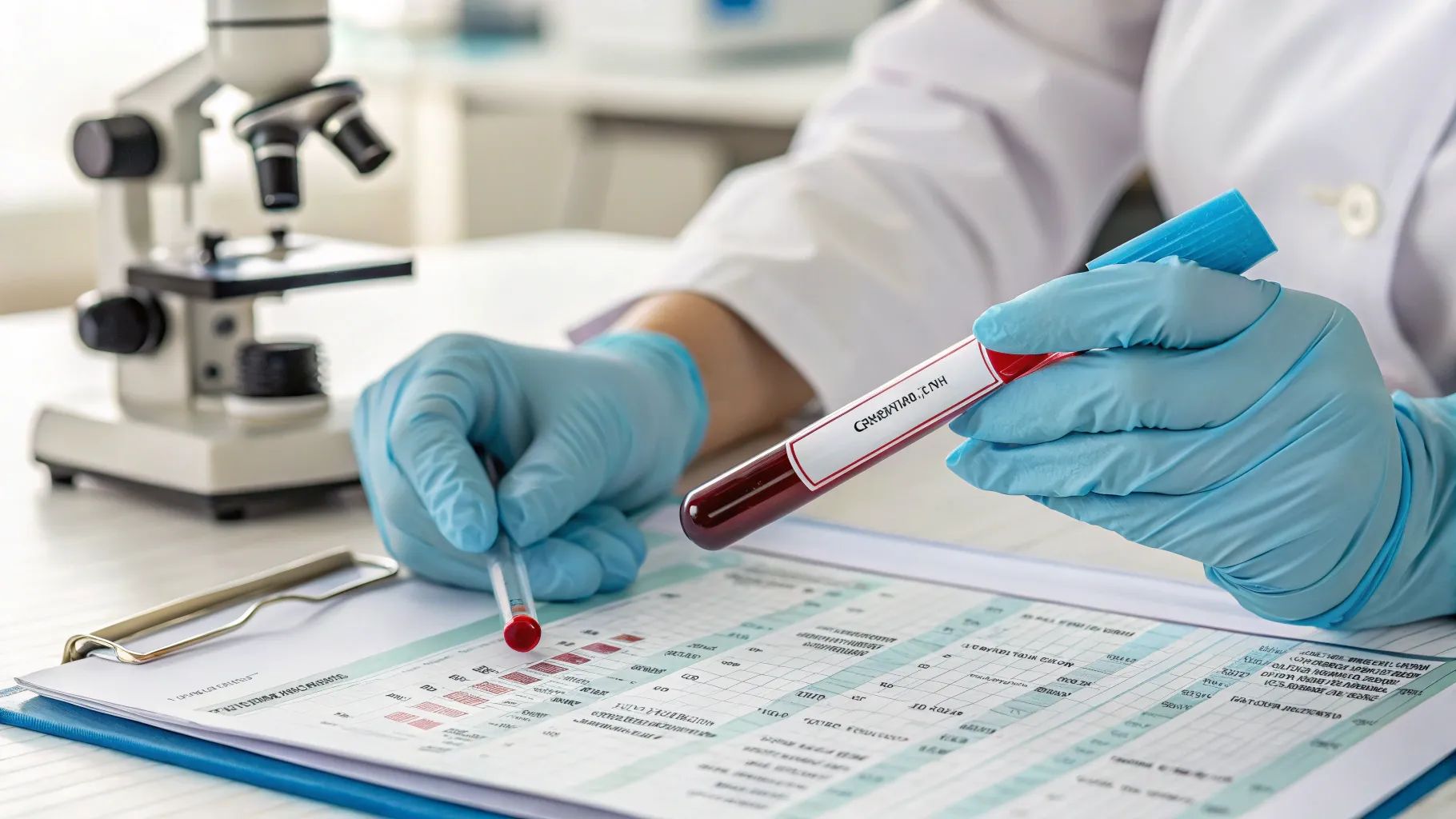
If leukemia is suspected based on a patient’s symptoms, healthcare practitioners employ a series of diagnostic tests aimed at confirming the disease. As of 2025, advancements in diagnostic technology have significantly improved the accuracy and efficiency of these tests:
- Blood Tests: Initially, a complete blood count (CBC) is conducted. This test reveals crucial information about red and white blood cells, as well as platelets, helping to identify any abnormalities.
- Bone Marrow Biopsy: Typically following the CBC, a bone marrow biopsy involves extracting a sample to examine for leukemia cells. This procedure is vital in determining the exact type of leukemia.
- Cytogenetic Analysis: This test investigates the chromosomes of cells from blood or bone marrow, highlighting any genetic alterations linked to leukemia.
- Imaging Tests: CT or MRI scans might be recommended to identify any swollen lymph nodes or additional complications associated with leukemia.
Innovative methods, such as liquid biopsies, are emerging. These less invasive tests are making it easier for doctors to detect leukemic cells quickly and comfortably, ensuring better patient engagement in their follow-up care.
Distinguishing Between Leukemia and Anemia
It’s not uncommon for people to conflate leukemia with anemia due to their shared association with blood deficiencies. However, the differences are significant. Anemia primarily involves low hemoglobin levels that result in fatigue and weakness, while leukemia is a malignancy characterized by the uncontrolled production of abnormal white blood cells.
To clarify further:
- Causes: Anemia may stem from nutritional deficiencies, chronic diseases, or other factors, whereas leukemia arises from genetic mutations impacting the production and function of blood cells.
- Symptoms: Both conditions can lead to fatigue, yet leukemia encompasses a broader array of symptoms, including unusual bleeding and recurrent infections.
- Diagnosis: While anemia diagnosis is straightforward—primarily through blood tests showing low hemoglobin—leukemia requires a more comprehensive evaluation that often involves a bone marrow biopsy.
Both disorders require appropriate medical interventions and tailored treatment plans. Understanding their distinctions is vital to ensuring timely care and optimizing outcomes.
Living with the Symptoms of Leukemia
Recognizing the symptoms of leukemia is the first critical step. However, navigating life with these symptoms poses its own set of challenges, encompassing emotional and physical hurdles. Reports indicate that patients often benefit from comprehensive support. This includes engaging with a network of healthcare professionals, participating in support groups, and pursuing counseling as needed.
In 2025, an increasing number of hospitals and health organizations offer specialized programs to help individuals manage the multifaceted impacts of leukemia diagnosis. Holistic approaches to treatment are gaining traction, focusing not just on combating the disease but also on enhancing the quality of life.
Recent advancements in therapies are designed to address not just the cancer itself but also support emotional wellbeing. As ongoing research continues to push the boundaries of treatment, it is crucial for patients and their families to stay informed about the latest developments. Improved communication with healthcare providers is essential; this enables adults experiencing symptoms to receive prompt and effective care.
The landscape of hematology is dynamic, with remarkable strides in diagnostics, treatment options, and patient care networks. By ensuring open lines of communication and being aware of the symptoms, patients and families can be proactive in managing their health and navigating the complexities of leukemia.
Authored by FreshLifeWire team