Early Signs Symptoms and Treatment of Amyloidosis
Amyloidosis Early Signs and Symptoms
Amyloidosis is a rare yet serious disease characterized by the accumulation of an abnormal protein called amyloid in various organs and tissues. This protein build-up disrupts normal organ function and can lead to severe health complications. Unfortunately, the onset of amyloidosis is often gradual, and early signs are frequently overlooked or mistaken for other health issues. Early detection and timely intervention remain crucial for better health outcomes.
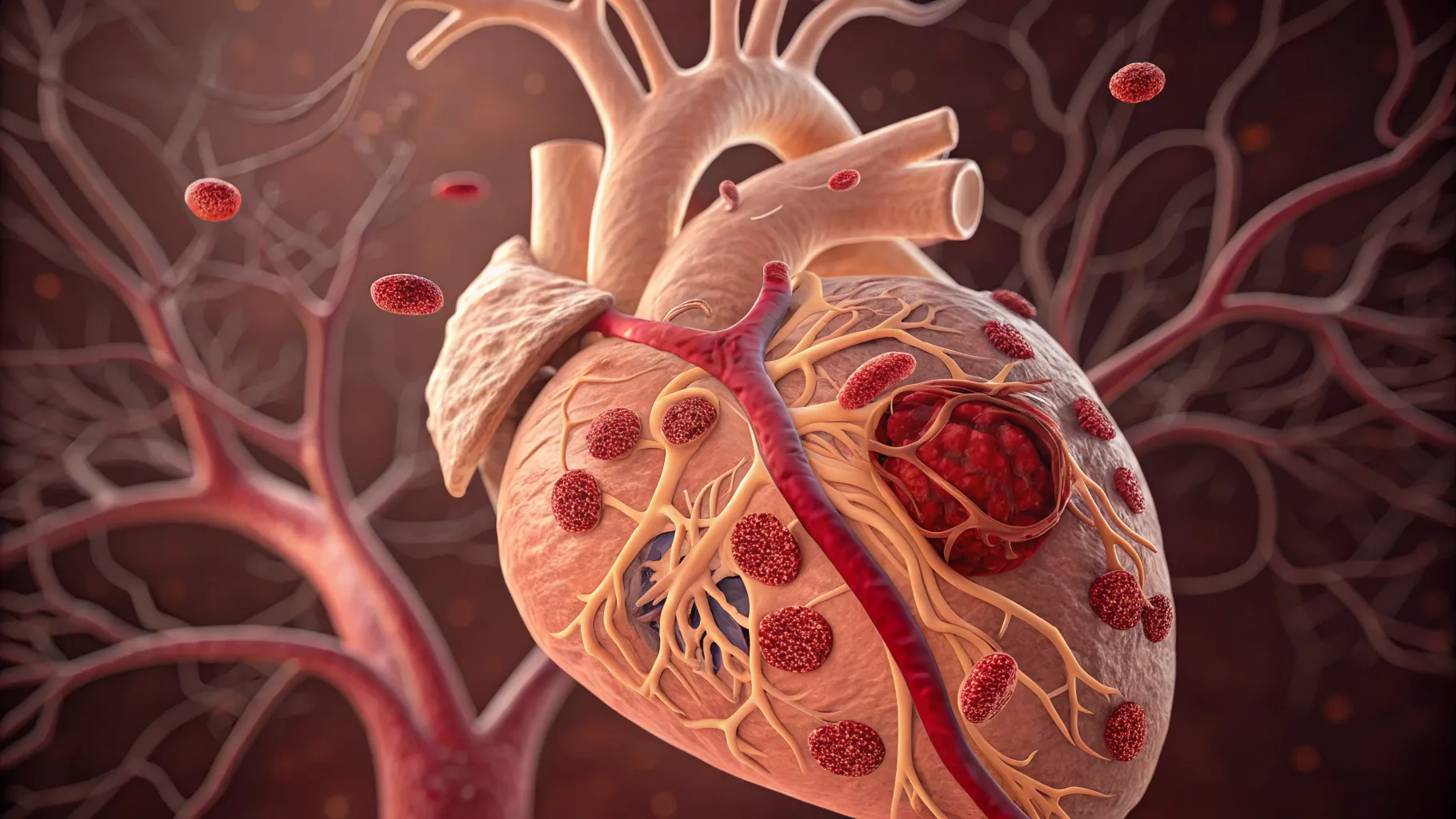
Recognizing the Signs of Amyloidosis
Identifying amyloidosis in its early stages usually starts with assessing symptoms and reviewing a patient’s medical history. Some of the most common early symptoms include:
- Persistent fatigue that doesn’t improve with rest
- Sudden and unexplained weight loss, which may indicate underlying problems
- Swelling in the ankles and legs, often related to fluid retention
- Shortness of breath or chest pain, which can be alarming
- Numbness or a tingling sensation in the hands and feet, signaling nerve involvement
These symptoms can easily be misattributed to aging or other common ailments, making awareness essential. Moreover, as the disease progresses, individuals may experience organ-specific symptoms. The following outlines the potential complications depending on the organs affected:
- Amyloidosis and Heart Symptoms: This may manifest as irregular heartbeat, heart failure, or even an enlarged heart. Patients often report feeling palpitations or retaining fluid without a clear cause.
- Amyloidosis and Kidney Symptoms: Kidney involvement can lead to complications like foamy urine due to protein loss, increased urge to urinate, or noticeable swelling in the legs.
- Amyloidosis Skin Changes: Easily bruised skin, a waxy appearance, or purplish spots are warning signs of potential vascular issues caused by the disease.
For anyone experiencing these symptoms, it’s crucial to consult healthcare professionals promptly. Early diagnosis can significantly affect treatment options and overall prognosis.
Understanding the Difference Between Amyloidosis and Multiple Myeloma
To further grasp the implications of amyloidosis, it’s essential to differentiate it from conditions like multiple myeloma. Both involve abnormal protein accumulation but in different ways. Multiple myeloma is a cancer specifically impacting plasma cells in the bone marrow, leading to various complications, including blood disorders and significant organ damage. In contrast, amyloidosis is solely characterized by the build-up of amyloid proteins, and it typically does not involve the tumor formations associated with cancers.
Due to these differences, accurate diagnosis is imperative, as treatment strategies vary significantly between the two entities. Understanding these distinctions can facilitate more effective management and support strategies for patients navigating these challenging conditions.
Diagnosing Amyloidosis in 2025
As of 2025, diagnosing amyloidosis presents significant challenges. Healthcare providers utilize a carefully crafted process that includes various blood and urine tests to identify the presence of abnormal proteins indicative of the disease. Additionally, imaging studies and biopsies from affected tissues are crucial for confirming a diagnosis. Recent advancements in diagnostic technology have enhanced capabilities, enabling earlier detection of organ involvement even before severe symptoms appear.
For instance, Dr. Jane Smith, a leading cardiologist, recently conducted research that shows early identification through advanced imaging techniques has led to a 25% increase in early diagnosis rates of amyloidosis over the last year alone. Such improvements are reshaping diagnostic protocols and enabling quicker, more effective interventions.
Understanding the stages of amyloidosis—ranging from asymptomatic to severely symptomatic—is essential in informing treatment decisions. The latest clinical guidelines present a variety of treatment pathways based on the stage and type of amyloidosis diagnosed:
- Supportive Care: This involves managing symptoms and preventing complications, especially concerning heart and kidney health to enhance the quality of life.
- Chemotherapy: Techniques similar to those used in multiple myeloma aim to reduce the overproduction of amyloid proteins, which is particularly hopeful for patients severely impacted by the disease.
- Targeted Therapies: Innovative treatments demonstrating promising results in clinical trials are emerging to dismantle amyloid build-up in the body.
- Stem Cell Transplant: For patients diagnosed with AL amyloidosis, qualified candidates may find hope through stem cell transplantation, which offers a potential curative approach.
Living with amyloidosis requires consistent monitoring and a multidisciplinary care approach. Participation in patient support groups can provide invaluable emotional support and practical resources for navigating the journey of this condition. Patients are encouraged to engage in lifestyle modifications, such as dietary adjustments and personalized exercise regimens aimed at bolstering cardiovascular and renal health.
As we navigate through 2025, researchers continue to advance our knowledge of amyloidosis while exploring new treatment avenues. Recent initiatives include programs designed to raise public awareness of the early signs of amyloidosis. Health organizations highlight the importance of recognizing symptoms promptly to facilitate quicker diagnoses. Furthermore, breakthroughs in genetic studies signal a future where personalized treatment strategies may enhance therapeutic efficacy significantly.
Ultimately, patients are empowered to take an active role in their healthcare journey. Remaining informed about their condition and maintaining open communication lines with healthcare providers can markedly improve overall health management and the quality of life for those affected by amyloidosis. With the right support and resources, individuals can resiliently navigate the complexities of this challenging disease, fostering hope for a better future.
Authored by FreshLifeWire team