Early Signs of Skin Cancer and How to Spot Them
Understanding Early Signs of Skin Cancer
Skin cancer remains one of the most prevalent forms of cancer today, with millions affected globally each year. Recent statistics reveal that over 1 in 5 Americans will develop skin cancer by the age of 70. This statistic emphasizes the importance of skin health awareness among individuals of all ages.
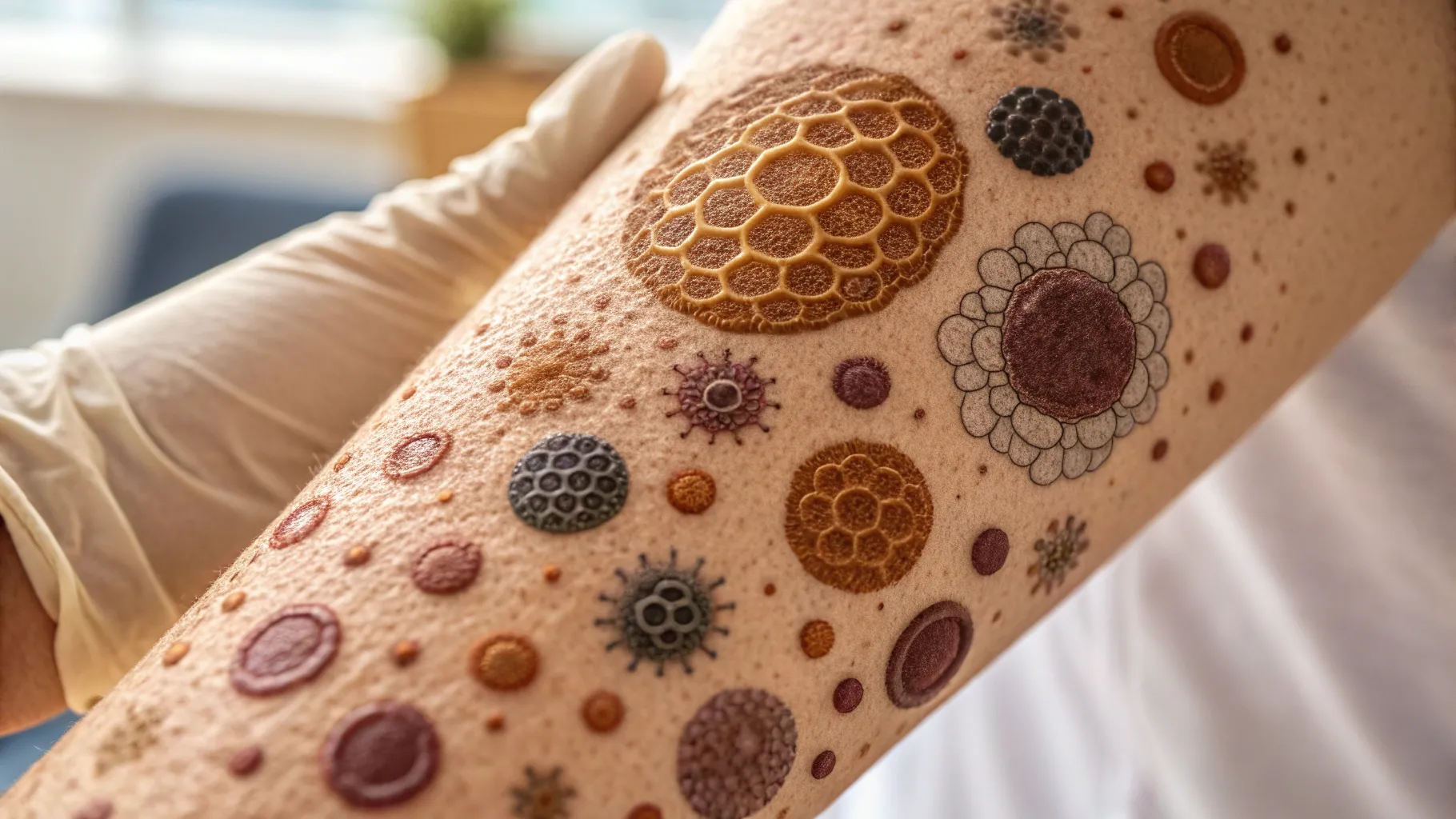
In this article, we will explore how to identify suspicious moles, the symptoms of melanoma, what skin changes to watch for, how to easily check your skin for cancer, and when it is essential to consult a dermatologist. By being aware of these factors, individuals can take proactive steps in safeguarding their skin health.
How to Identify Suspicious Moles
Moles, or nevi, are commonly found on the skin, and while most are harmless, it is crucial to monitor them for any changes. The American Academy of Dermatology (AAD) recommends using the "ABCDE" method to evaluate moles:
- A - Asymmetry: If one half of the mole does not match the other, it may be a cause for concern.
- B - Border: Moles with irregular, scalloped, or poorly defined edges should be examined more closely.
- C - Color: A mole that has an uneven or varied color—different shades of brown, black, or tan—can be suspicious.
- D - Diameter: Moles larger than 6mm (about the size of a pencil eraser) should be assessed by a professional.
- E - Evolving: Any change in size, shape, color, or elevation of a mole over time can signal a problem.
In the past six months, increasing awareness campaigns have focused on educating the public about these signs, showing striking real-life examples where early detection has saved lives. For instance, survivor testimonials from skin cancer awareness programs have highlighted how a simple mole check led to early-stage treatment and complete recovery.
Symptoms of Melanoma
Melanoma is the most aggressive type of skin cancer and can quickly spread if not caught early. Symptoms can vary widely, but as awareness programs from health organizations suggest, some common indicators of melanoma include:
- Change in existing moles, using the ABCDE criteria.
- New growths on the skin that look different from other moles.
- Irritation, redness, or swelling surrounding the mole.
- Oozing, crusting, or bleeding of moles.
As the risk factors for melanoma can also include excessive sun exposure and a family history of skin cancer, even those without visible moles should remain vigilant about changes in their skin. Recent studies have shown that individuals with fair skin, light hair, and a tendency to sunburn are statistically at a higher risk. Therefore, self-examinations must be conducted regularly to identify any suspicious changes early.
What Skin Changes to Watch For
Apart from moles, other skin changes can indicate potential skin cancer. These include:
- Scaly patches: These may be pink or red and tend to feel rough to the touch.
- Open sores: Sores that do not heal, especially if they persist for more than three weeks, should be evaluated.
- Dark spots: Other areas of skin that become noticeably darker—whether these spots are raised or flat—warrant a closer look.
Healthcare providers encourage individuals to be familiar with their own skin. Regular skin checks at home can help identify unusual changes early. In fact, dermatologists recommend conducting a thorough self-examination every month to stay aware of any abnormalities. With the advancement of mobile apps designed to track skin changes, monitoring your skin has never been more accessible.
How to Check Your Skin for Cancer
Conducting a skin check is a straightforward process. Follow these steps for effective examinations:
- Use a full-length mirror to check your entire body, including hard-to-see areas like your back, scalp, and between the fingers and toes.
- Utilize a hand mirror for assessing areas that are difficult to view, such as your back and neck.
- Make note of any moles or skin changes, especially those following the ABCDE method.
- Take pictures of your skin and moles over time to track any changes effectively.
Recent smartphone technology has enabled individuals to document these changes seamlessly, creating a visual record that can be shown to a dermatologist if needed. This practice has surged in popularity, with many users reporting increased confidence in their ability to monitor skin health.
When to See a Dermatologist
It’s essential to schedule an appointment with a dermatologist if you notice any of the following signs:
- Any mole that appears to be changing in size, shape, or color.
- A new growth on your skin that seems unusual compared to your other moles.
- Persistent skin changes that do not heal or regularly reappear.
- Family history of skin cancer, especially melanoma.
Dermatologists recommend annual skin exams for individuals at high risk or with a history of skin cancer. With the advancements in technology and telemedicine, seeking professional advice is more accessible than ever. Many practices now offer virtual consultations, particularly for those who may not have easy access to a specialist in their area.
In summary, staying informed and vigilant about your skin health is critical in today’s world. Early detection is vital in successfully treating skin cancer, and being proactive in monitoring your skin can save your life. As we continue through 2025, let’s emphasize the importance of early identification and encouraging conversations about skin health within our communities.
Authored by FreshLifeWire team