Early Signs of Zinc Deficiency in Older Adults: A Vital Guide
Facts:
- Zinc is essential for over 300 enzymatic reactions in the body.
- Up to 40% of older adults may have inadequate zinc intake.
Identifying the Subtle Clues: The First Indicators of Low Zinc
As we age, our bodies undergo numerous changes, and nutritional needs evolve. One critical micronutrient that often gets overlooked is zinc. For individuals over 60, maintaining adequate zinc levels is paramount for immune function, wound healing, and even our sense of taste and smell. Recognizing the initial symptoms can be challenging, as they are often subtle and can be mistaken for normal signs of aging. This informative guide to essential micronutrients is designed to illuminate the common zinc deficiency signs seniors experience, helping you understand why these changes occur and what they mean for overall health. Paying close attention to these early warnings is the first step in addressing potential mineral variance symptoms over 60 before they lead to more significant health complications.
Weakened Defenses: The Link Between Low Zinc and Immunity
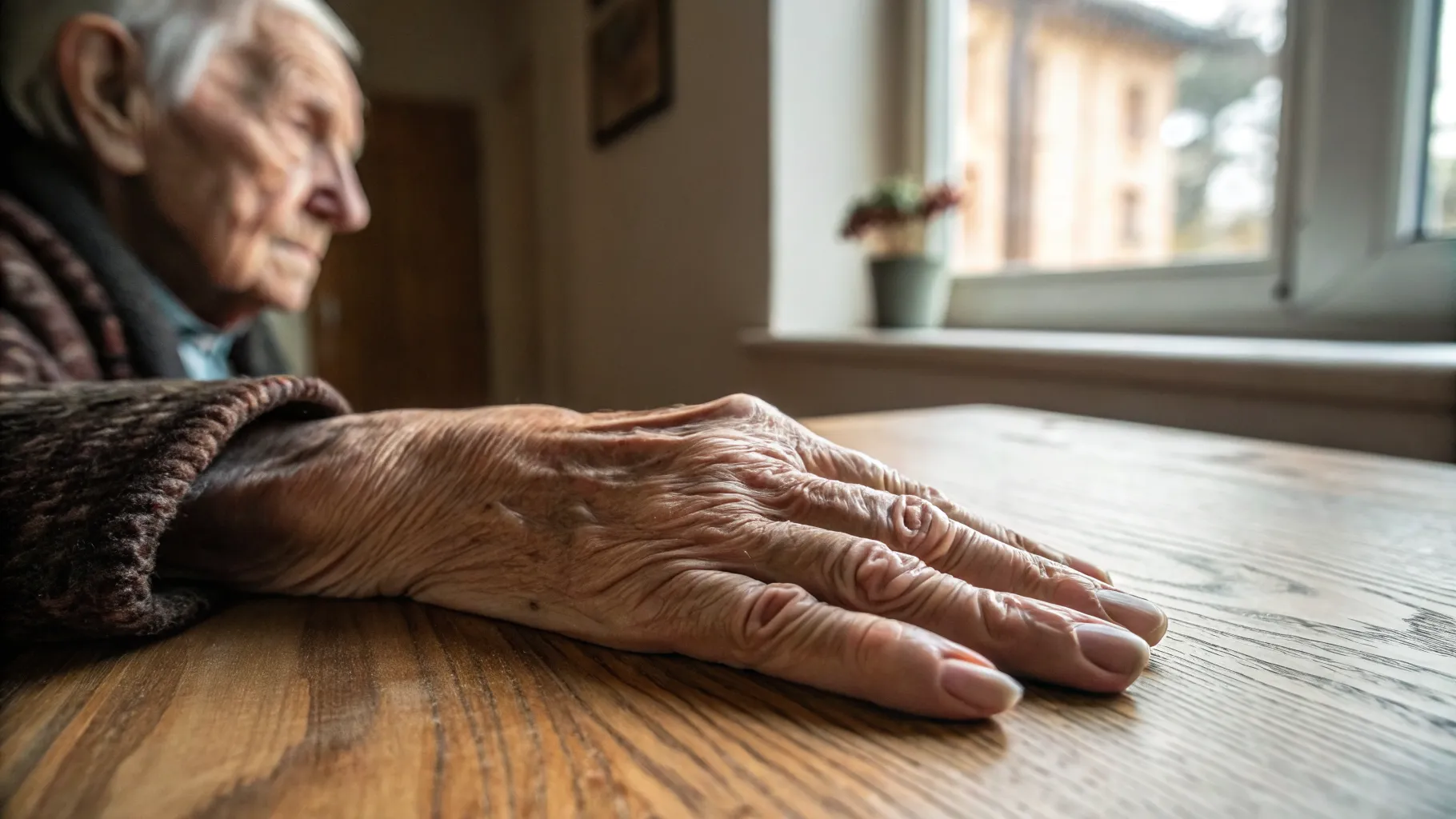
One of the most significant consequences of inadequate zinc is a compromised immune system. Zinc plays a central role in the development and function of immune cells, including T-cells and natural killer cells, which are our body's first line of defense against pathogens. When zinc levels are low, these cells cannot function optimally, leading to a state of weakened immunity. This is why some of the most critical low zinc immune markers elderly individuals exhibit include increased susceptibility to infections like pneumonia and influenza, as well as prolonged recovery times from common illnesses. An older adult experiencing more frequent colds or infections that linger longer than usual may be showing one of the key zinc deficiency signs seniors should not ignore. This decline in immune resilience is a serious concern and highlights the importance of consistent micronutrient intake.
Physical Manifestations: Skin, Hair, and Sensory Changes
The body often displays external signs when internal imbalances occur. Zinc deficiency is no exception, with many symptoms appearing on the skin, hair, and nails. Because zinc is crucial for cell growth and division, a lack of it can lead to dermatological issues such as dry, rough skin, dermatitis, or acne-like lesions that are slow to heal. Unexplained hair loss or thinning is another common complaint. Furthermore, zinc is vital for maintaining the integrity of taste buds and olfactory receptors. A diminished sense of taste or smell, which can lead to a reduced appetite and subsequent weight loss, is a classic yet often misattributed symptom. These physical changes are clear mineral variance symptoms over 60 and should prompt a conversation with a healthcare provider to investigate potential nutritional shortfalls.
Cognitive and Mood-Related Symptoms in Seniors
Beyond the physical, zinc's role in brain function is profound. It is involved in synaptic transmission and is found in high concentrations in the hippocampus, the brain's memory center. Consequently, a deficiency can manifest as cognitive and mood-related symptoms. Older adults may experience brain fog, difficulty concentrating, memory lapses, and even mood swings or feelings of apathy. While these symptoms can have many causes, it's important to consider nutritional deficiencies as a contributing factor. Addressing low zinc immune markers elderly people face is important, but so is considering the neurological impact. Proper nutrition is a cornerstone of cognitive health, and this informative guide to essential micronutrients emphasizes that mental clarity can be closely tied to mineral balance.
Understanding Absorption and Dietary Risk Factors
Why are older adults more at risk for zinc deficiency? The reasons are multifaceted. Firstly, age-related changes in the digestive system can impair the body's ability to absorb zinc and other essential nutrients from food. This makes understanding nutrient absorption checks particularly relevant for this demographic. Secondly, many older adults may have a reduced appetite or follow diets that are naturally lower in zinc-rich foods, such as red meat and shellfish. Certain medications, like diuretics and some blood pressure drugs, can also interfere with zinc absorption or increase its excretion from the body. Recognizing these risk factors is a crucial part of proactive health management and preventing the onset of deficiency-related symptoms.
Proactive Measures: Maintaining Optimal Zinc Levels
Taking proactive steps to ensure adequate zinc intake is essential for healthy aging. A combination of diet, and when necessary, supplementation, can effectively manage zinc levels. Here are some actionable strategies:
- Focus on Zinc-Rich Foods: Incorporate foods like lean red meat, poultry, oysters, beans, nuts, and fortified cereals into your diet. These provide a bioavailable source of zinc that the body can easily use.
- Consult a Healthcare Professional: Before starting any supplement, it is crucial to speak with a doctor or registered dietitian. They can perform necessary tests and recommend the appropriate dosage, preventing the risk of zinc toxicity. This is a key part of understanding nutrient absorption checks.
- Review Medications: Discuss your current medications with your doctor to see if any could be impacting your mineral absorption. They may be able to suggest alternatives or a management plan.
- Consider Bioavailability: Plant-based sources of zinc, like legumes and whole grains, contain phytates which can inhibit absorption. Soaking, sprouting, or fermenting these foods can help improve zinc bioavailability.
Frequently Asked Questions
What are the most common zinc deficiency signs seniors should look for?
The most common signs include a weakened immune system (frequent infections), slow wound healing, unexplained hair loss, changes in taste or smell, and skin problems like dermatitis. These mineral variance symptoms over 60 can be subtle at first but are important indicators of a potential deficiency.
How can low zinc immune markers elderly people have be tested?
A healthcare provider can order a blood plasma test to check zinc levels. However, since blood levels can be influenced by various factors, a doctor will typically consider your symptoms, dietary habits, and overall health profile to make a diagnosis. Discussing understanding nutrient absorption checks with your doctor is a good first step.
Is it safe for older adults to take zinc supplements?
While often beneficial, zinc supplements should only be taken under medical supervision. Excessive zinc intake can interfere with copper absorption, another essential mineral, and cause other side effects. A doctor can recommend a safe and effective dose based on your individual needs.
References
- The Role of Zinc in Antiviral Immunity
- Zinc Deficiency: A Special Challenge
- Dietary Reference Intakes for Vitamin A, Vitamin K, Arsenic, Boron, Chromium, Copper, Iodine, Iron, Manganese, Molybdenum, Nickel, Silicon, Vanadium, and Zinc
- Zinc in Human Health: Effect of Zinc on Immune Cells
Authored by FreshLifeWire team