Meta Title: Early Signs and Symptoms of Mycosis Fungoides
Identifying Mycosis Fungoides Early: Signs, Symptoms, and Stages
In today's world, as we become more alert about diverse health conditions, identifying mycosis fungoides early is crucial. This awareness is paramount for effectively managing this often misdiagnosed form of cutaneous T-cell lymphoma. At first glance, its symptoms may mimic common skin conditions like eczema or psoriasis, making the early detection challenging yet essential. This article assists readers in recognizing the initial signs, understanding the stages, and the importance of getting timely medical guidance.
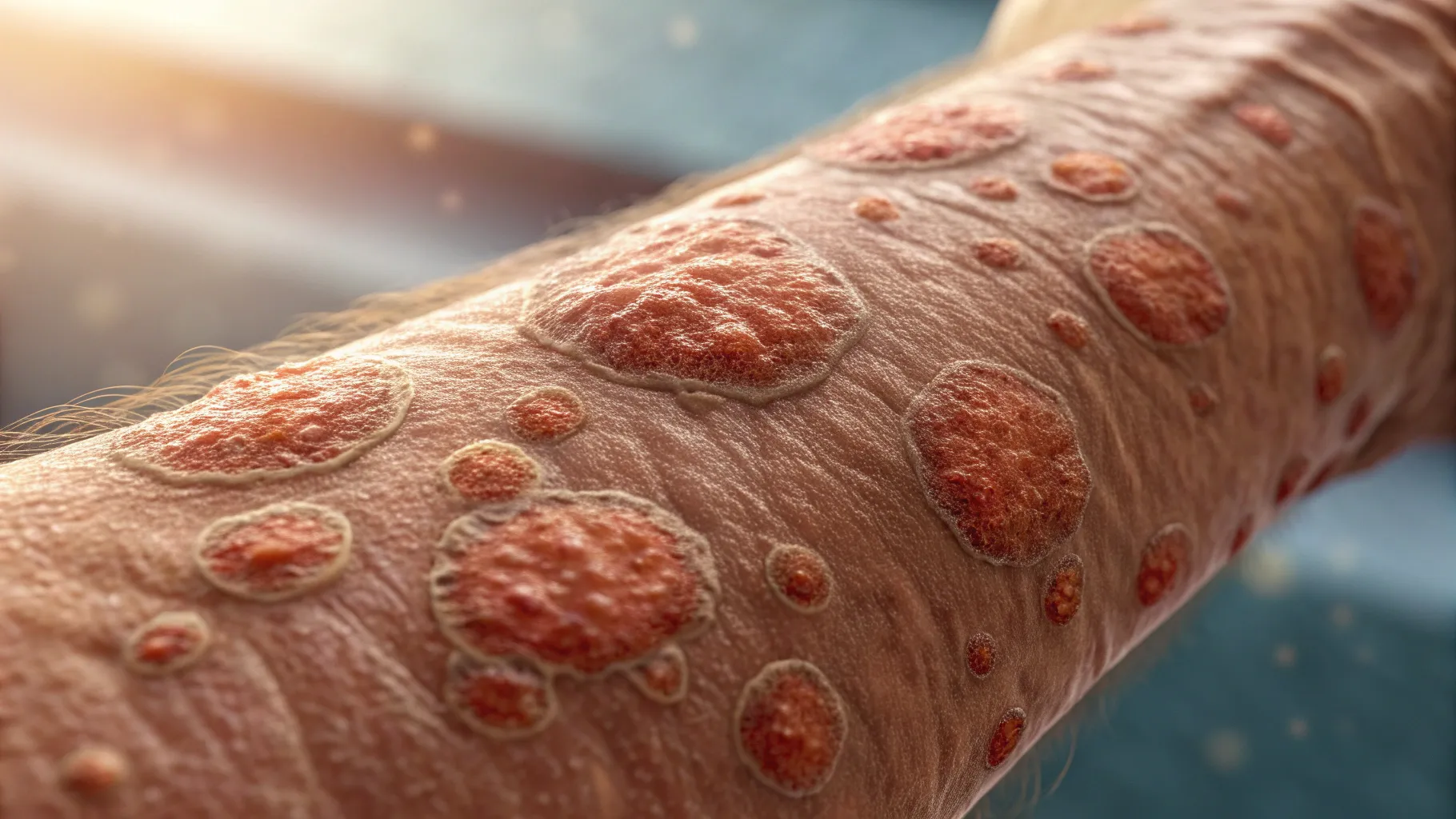
Spotting Early Symptoms: Key Indicators
In many cases, the initial symptoms of mycosis fungoides are mistaken for familiar skin issues. Here's what sets them apart:
- Persistent Itchy Skin: Unlike ordinary dry skin, the itchiness accompanying mycosis fungoides persists beyond standard treatments. It often affects the thighs, buttocks, or the torso, leaving patches that regular moisturizers cannot soothe.
- Scaly Red Patches: While dermatitis can cause similar red, scaly patches, the ones associated with mycosis fungoides tend to linger, resisting conventional over-the-counter treatments for dermatological issues.
- Red-Brown Plaques: These lesions are particularly concerning due to their vividly defined borders and resistance to standard dermatological treatments.
- Recalcitrant Eczema-Like Rash: Unlike general eczema, these rashes might appear on sun-exposed areas, showing negligible improvement with traditional therapies.
Keeping an eye on these symptoms and their resistance to typical treatments is crucial. Regular dermatologist visits are encouraged, especially when persistent symptoms do not resolve or improve.
Navigating Mycosis Fungoides: Stages and Signs
The progression of mycosis fungoides is marked by distinct stages, each carrying its own implications:
Stage 1: Patch Stage
Often characterized by harmless-appearing patches, this stage is notorious for delays in diagnosis, averaging a lapse of one to two years. These patches share a resemblance with mild skin afflictions, misleading many patients initially. Yet, awareness has greatly improved thanks to educational campaigns.
Stage 2: Plaque Stage
In the plaque stage, patches evolve into thicker and more stubborn lesions known as plaques. Unlike previous stages, these are less receptive to standard skin treatments, drawing attention from healthcare professionals for closer evaluation and monitoring.
Stage 3: Tumor Stage
During this phase, plaques morph into larger, bump-like tumors. These are more uncomfortable and come with additional complications, emphasizing the importance of early intervention during initial stages to manage and minimize progression.
Stage 4: Advanced Stage
At this stage, mycosis fungoides spreads beyond skin surfaces, affecting lymph nodes and possibly other organs. This phase demands consistent care from specialists to manage symptoms effectively and ensure improvement in the patient's quality of life.
The relevance of raising awareness about mycosis fungoides cannot be overstated, with the window for early detection becoming smaller, reinforcing the importance of healthcare guidance.
Diagnosis Pathway: Effective Steps for Early Detection
It's essential to remind patients and their families that the presence of these symptoms doesn't automatically confirm mycosis fungoides. If conventional skin remedies fail, the expertise of a healthcare provider can be crucial. Dermatologists are likely to recommend a biopsy to validate their suspicions effectively.
Keeping a detailed log of symptoms and routinely visiting healthcare professionals play an instrumental role in early diagnosis. Such preventive measures direct patients towards a quicker identification and a potentially favorable outcome.
Staying Updated with Emerging Insights
The medical community's understanding of mycosis fungoides has progressed considerably in 2025 thanks to research advancements and enhanced genetic profiling. These developments have resulted in breakthroughs that facilitate more personalized treatment approaches, providing a beacon of hope for those living with this rare form of skin lymphoma.
In today's age, keeping oneself informed and educated remains a cornerstone in combating this disease. With ongoing efforts and emerging medical technologies, the outlook for individuals with mycosis fungoides appears increasingly promising, as tailored therapies work towards enhancing patient well-being and strengthening resilience against disease progression.
Authored by FreshLifeWire team